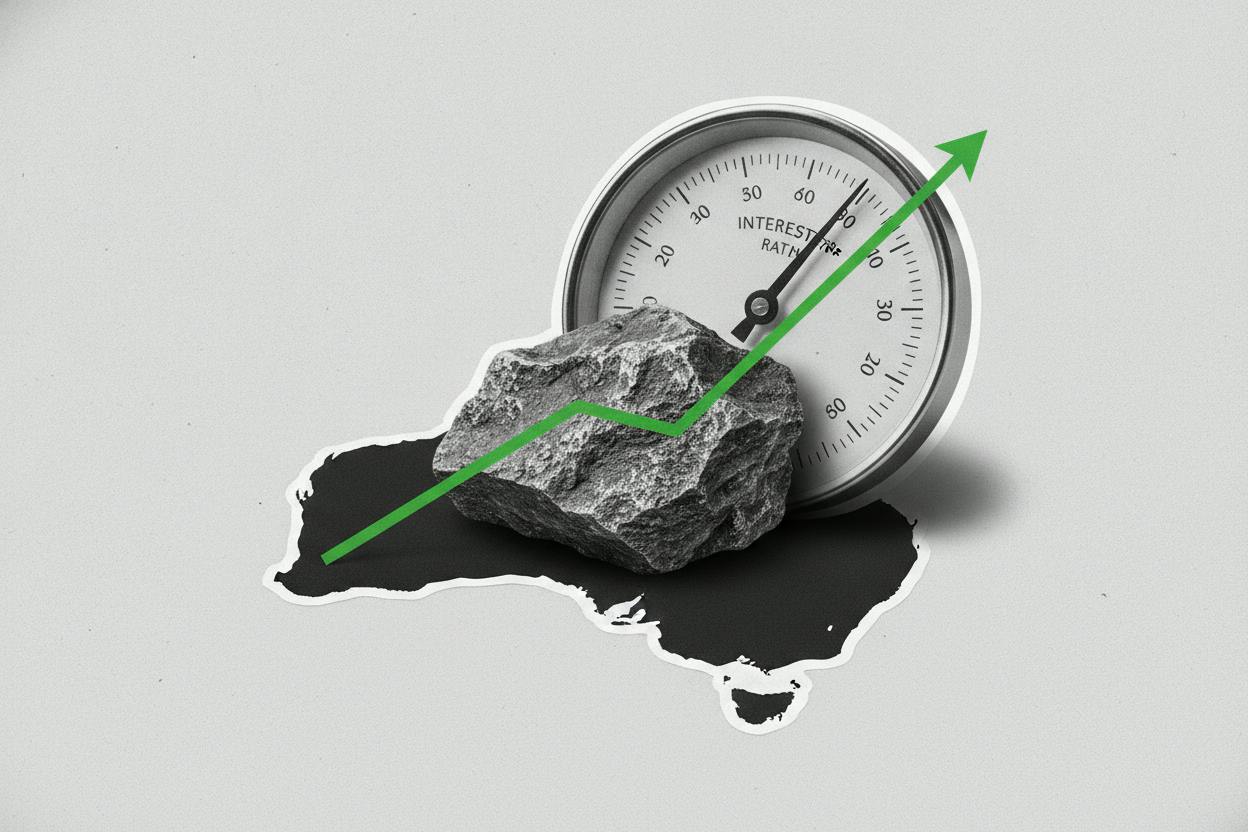
Australia's benchmark share index, the ASX 200, ticked higher again on Tuesday, helped by a rally in mining stocks as iron ore and copper prices firmed. But the mood was tempered by a fresh warning from Reserve Bank of Australia (RBA) Governor Michele Bullock that inflation risks are rising, prompting traders to increase bets on another interest rate hike later this month.
The market now prices a 92% chance that the RBA will raise its cash rate at its September 29 meeting, according to the brief. That would follow a series of increases that have already pushed borrowing costs to multi-year highs, squeezing households and businesses alike.
Miners lead the charge
The day's gains were driven largely by the heavyweight mining sector. Iron ore and copper prices climbed as Chinese buyers restocked inventories ahead of a holiday break, giving a lift to major producers like BHP and Rio Tinto. These two companies carry significant weight in the ASX 200, so their moves have an outsized impact on the index.
Copper, often seen as a barometer of global economic health because of its use in construction and electronics, has been supported by expectations of steady demand from China, the world's largest consumer of industrial metals. Iron ore, a key ingredient in steelmaking, similarly benefits from any sign that Chinese factories and builders are active.
The firmer commodity prices helped offset weakness elsewhere, as investors weighed the implications of higher interest rates on consumer spending and corporate profits.
Bullock's inflation warning
RBA Governor Michele Bullock used a public appearance to flag that inflation risks are on the rise, a message that resonated with markets. Inflation in Australia has been stubbornly above the RBA's 2-3% target band, and recent data have shown price pressures persisting in services and other areas.
Bullock's comments echo a broader theme across global central banks. In the United States, the Federal Reserve has also signaled that it may need to keep rates higher for longer to tame inflation. The RBA has previously warned that geopolitical tensions and new demand from AI data centers could reignite inflation, adding to the complexity of the policy outlook.
For Australian borrowers, the prospect of another rate hike means higher mortgage repayments and tighter household budgets. For investors, it raises the cost of capital and can pressure company valuations, particularly for growth stocks that rely on future earnings.
What it means for investors
The combination of rising commodity prices and a hawkish central bank creates a mixed picture for Australian investors. On one hand, miners are benefiting from strong global demand for raw materials, which can translate into higher profits and dividends. On the other hand, higher interest rates tend to weigh on consumer-facing sectors, such as retail and housing, as borrowing becomes more expensive.
Investors should also consider the global context. Markets elsewhere have been reacting to central bank signals, and the RBA's stance is part of a broader trend of monetary tightening. Tech and chip stocks have rallied when Treasury yields fall, but a rate hike could reverse that dynamic in Australia.
The ASX 200's resilience in the face of rate-hike expectations suggests that investors are still finding value in certain sectors, particularly resources. However, the index remains sensitive to any surprises in inflation data or central bank communication.
Looking ahead
All eyes will be on the RBA's September 29 decision. If the bank follows through with a hike, it would mark another step in its fight against inflation, but it could also slow economic growth. Some companies have shown resilience to higher rates, but the broader economy may feel the pinch.
For everyday investors, the key takeaway is to stay diversified and be prepared for volatility. Commodity prices can swing quickly, and interest rate decisions can move markets in unexpected ways. Keeping a long-term perspective and focusing on quality companies with strong balance sheets can help weather the ups and downs.
As always, this is not financial advice. It's important to do your own research or consult a professional before making investment decisions.