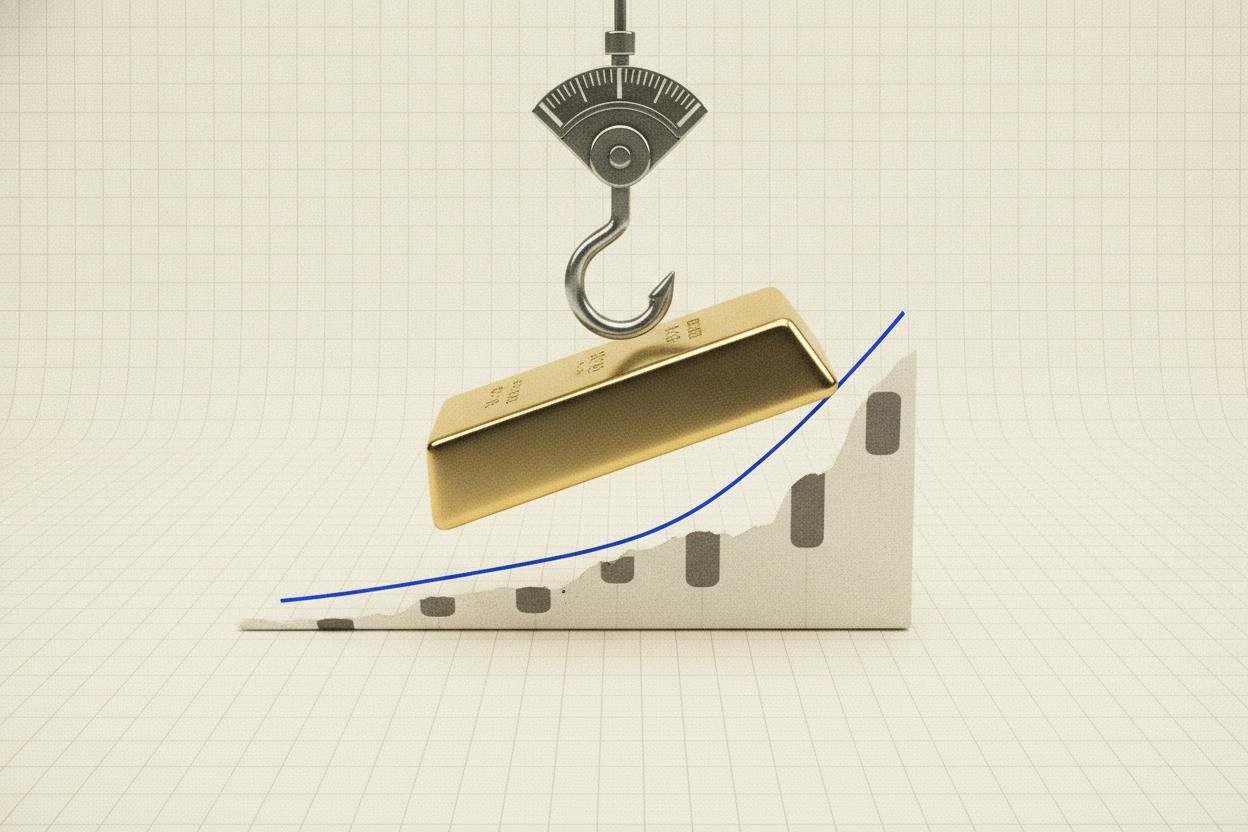
Gold prices edged higher on [day], with spot gold rising 0.3% to $4,352.60 an ounce, as a softer US dollar and lower oil prices offered some support. However, gains were kept in check by ongoing concerns that US interest rates may still have further to rise.
What's driving the move?
The precious metal is being pulled in two directions. On one side, a weaker dollar tends to support gold because it makes dollar-priced metals cheaper for overseas buyers. At the same time, slipping oil prices can ease inflation worries, which often benefits gold as a hedge against rising prices.
On the other side, the prospect of higher interest rates remains a hurdle. When yields on cash and bonds climb, investors can earn more from those assets, making gold—which pays no interest—less attractive by comparison. Recent signals from the Federal Reserve have suggested that rates could move higher, a factor that has kept a lid on gold's upside.
Geopolitical tensions and the dollar
Adding to the mix are ongoing Middle East tensions, which have historically supported gold as a safe-haven asset. Investors often turn to gold during periods of geopolitical uncertainty, and the current environment is no exception. However, the metal's gains have been modest, suggesting that traders are balancing these risks against the interest-rate outlook.
The dollar's recent easing has been a key theme in currency markets. As noted in our earlier coverage, the dollar slipped as Treasury yields eased after the Fed's hawkish surprise, and traders are now watching upcoming US jobs and housing data for further clues. A softer dollar typically provides a tailwind for gold, and today's move reflects that dynamic.
What it means for investors
For everyday investors, gold's performance is a reminder of how interconnected global markets are. Currency moves, interest-rate expectations, and geopolitical events all play a role in determining the metal's price. While gold is often seen as a store of value, its appeal can fade when yields on other assets rise.
Investors with gold exposure—whether through physical bullion, exchange-traded funds, or mining stocks—should be aware that the metal's price is likely to remain sensitive to Fed policy signals. If rates climb further, gold could face headwinds; if the Fed pivots to cuts, the opposite could occur.
It's also worth noting that oil's slip can have broader implications. Cheaper energy tends to reduce inflationary pressures, which could influence central bank decisions. As we've seen in other markets, Asia stocks were mixed as oil slipped, and the ripple effects are being felt across asset classes.
Looking ahead
Traders will be closely watching upcoming US economic data, including jobs and housing figures, for further clues on the Fed's path. Any surprises could shift expectations and, in turn, move gold prices. Geopolitical developments in the Middle East will also remain a focus, as any escalation could boost safe-haven demand.
For now, gold appears to be in a holding pattern, with buyers and sellers evenly matched. The metal's ability to hold above the $4,300 level suggests underlying support, but a clear breakout may require a more definitive signal on interest rates or a significant geopolitical event.
As always, it's important for investors to consider their own financial goals and risk tolerance. Gold can play a role in a diversified portfolio, but it's not a one-way bet. Keeping an eye on the broader macro environment is key to understanding its moves.