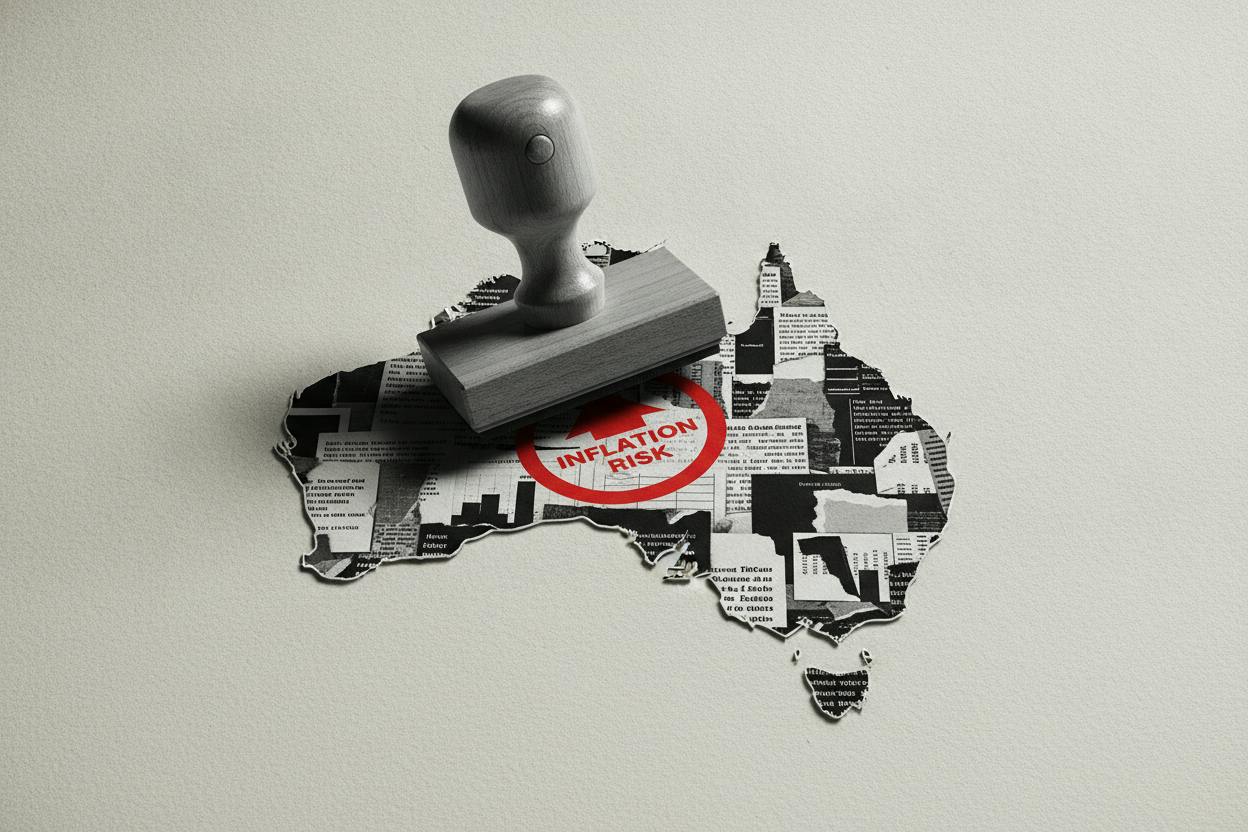
Australian shares closed lower on Tuesday, with the S&P/ASX 200 dropping 1% as weakness in mining and banking stocks dragged the benchmark down. The sell-off came after Reserve Bank of Australia (RBA) Governor Michele Bullock said inflation risks are still “skewed to the upside,” a comment that tempered hopes for an imminent shift to rate cuts.
Miners and banks lead the decline
The losses were concentrated in the two sectors that carry the most weight on the Australian market. Mining giants such as BHP and Rio Tinto slid as iron ore and copper prices hovered near multi-month lows, reflecting softer demand signals from China, Australia’s largest trading partner. When commodity prices weaken, the earnings outlook for these companies dims, and investors often sell first and ask questions later.
Banks also came under pressure after Bullock’s remarks. Lenders are sensitive to interest rate expectations because their funding costs are tied to what markets think the RBA will do over the next year, not just at the next meeting. When the central bank stresses upside inflation risk, traders tend to push expected future rates higher, which can lift wholesale funding costs for banks.
RBA’s balancing act
Earlier this month, the RBA raised its policy rate to 4.85%, and markets still lean toward a hold at the next meeting. But Bullock’s warning suggests the central bank is not ready to declare victory over inflation. Even if it pauses, the message is that rates could stay “higher for longer” if price pressures persist.
This is a familiar theme for investors globally. Central banks in other major economies have also struggled to bring inflation back to target, and any hint of stubbornness tends to ripple through equity markets. For Australia, the combination of weak commodity prices and sticky rate expectations is a particularly tough mix, given how heavily the index is weighted toward miners and financials.
What it means for investors
For everyday investors, Bullock’s “upside” inflation warning is a reminder that a headline “hold” does not automatically translate into cheaper mortgages. Australian banks fund themselves partly in wholesale markets, where interest rates reflect what investors think the RBA will do over the coming year. If the central bank signals it is still worried about inflation, markets can price fewer and later cuts, keeping banks’ funding costs from falling much. That helps explain why variable-rate mortgage and small-business lending rates may stay stubborn.
On the flip side, savings rates often remain supported while the cash rate stays near these levels. Banks have less reason to quickly reprice deposits lower until confidence grows that the RBA is shifting from “hold” to “cut.” So savers may continue to see relatively attractive rates on term deposits and high-interest savings accounts.
The broader takeaway is that central bank language matters as much as the actual rate decision. A single sentence about inflation risks can move markets, especially in an index as concentrated as the ASX 200. Investors should watch for further clues from the RBA about its next move, as well as any shifts in commodity prices, which remain a key driver for the Australian market.
For context, similar dynamics have played out elsewhere. In the US, Federal Reserve officials have also stressed the need to keep rates elevated until inflation is clearly under control, as one Fed official recently argued. And in Europe, stocks have slipped on similar concerns about central bank policy and global growth.
For Australian investors, the key is to stay diversified and not overreact to a single day’s move. While the market’s heavy reliance on miners and banks makes it sensitive to commodity prices and rate expectations, long-term investors are often better served by focusing on their own financial goals rather than trying to time the next central bank announcement.