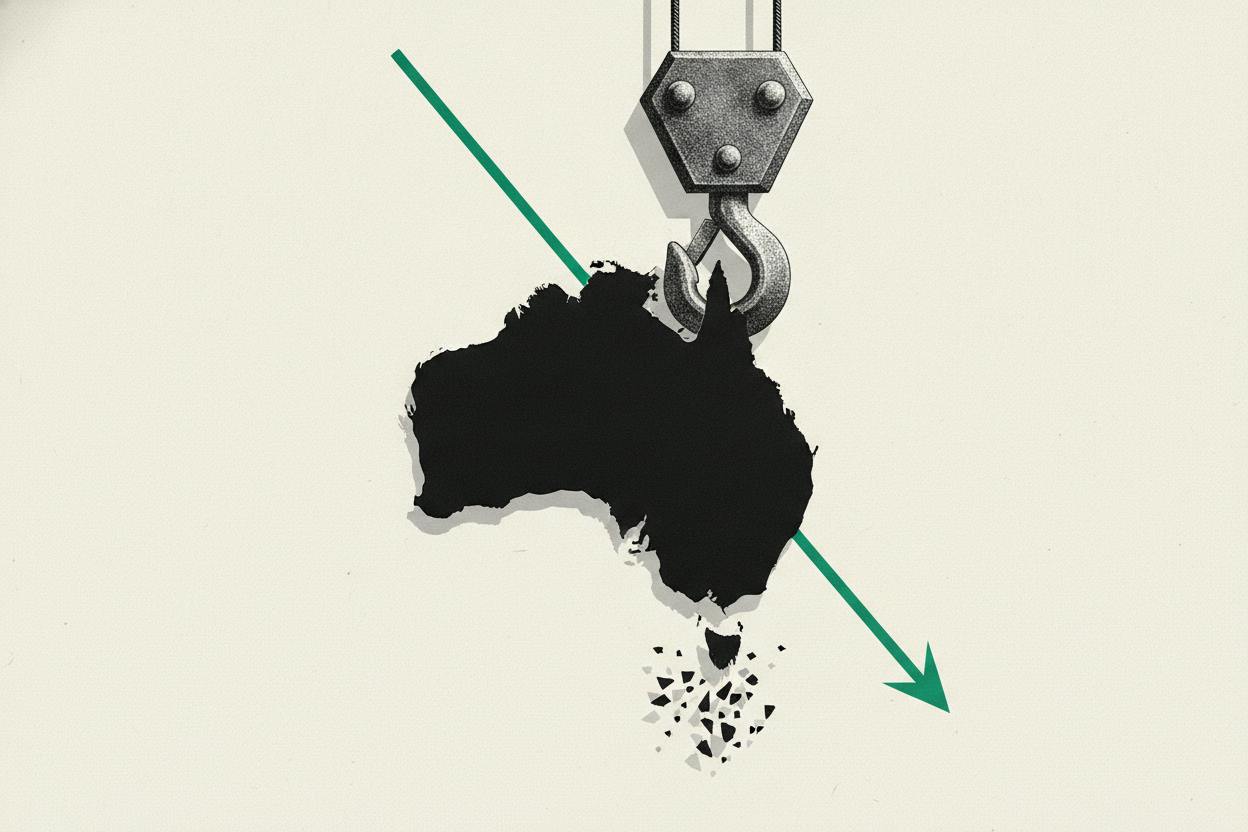
Australia's share market slipped again on [day], with the ASX 200 falling 0.4% as heavyweight mining stocks took the brunt of the selling. The drop was led by the big three iron ore and copper producers — BHP, Rio Tinto, and Fortescue — which fell between 2.2% and 2.9%, according to Reuters.
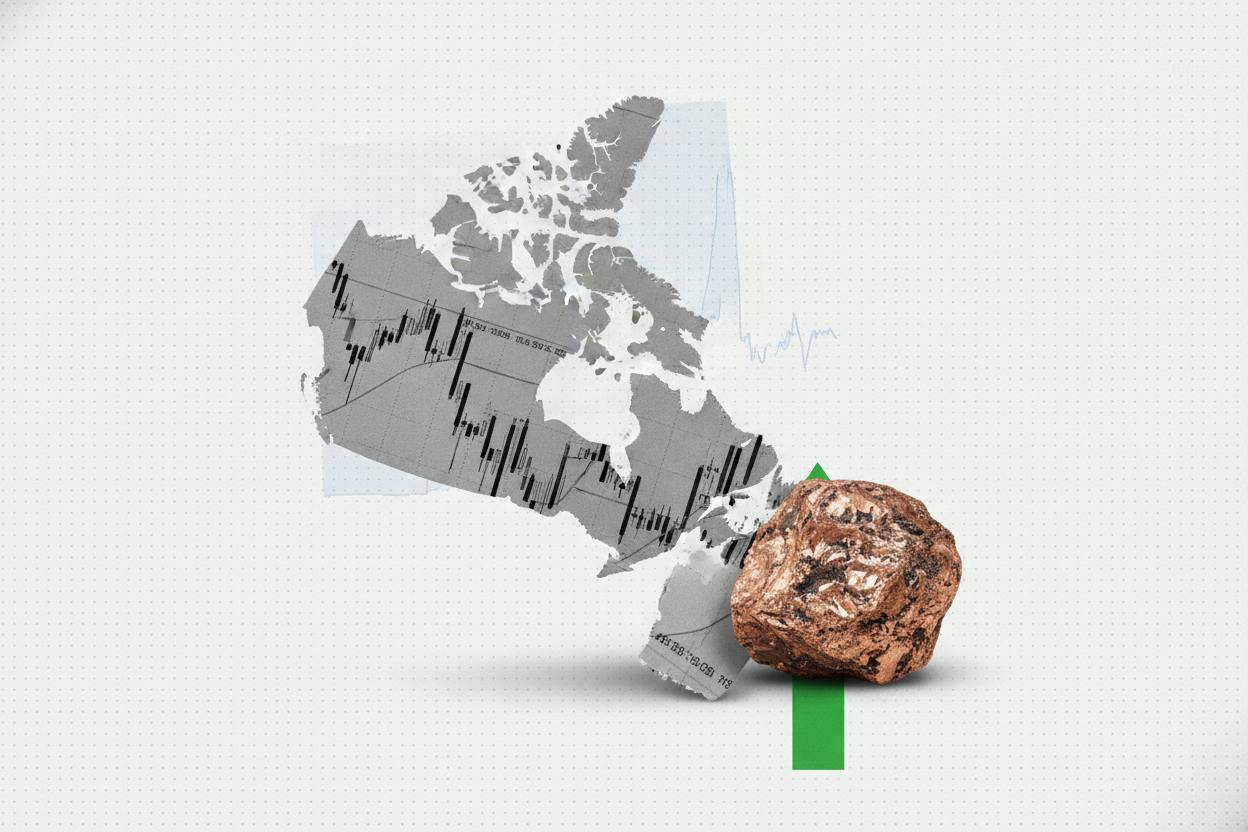
The mining sector as a whole dropped 2.3%, making it the biggest drag on the benchmark. The immediate trigger was weakness in base metals, with London copper hitting a four-month low. Copper is often seen as a barometer for global industrial activity, so a slide like this tends to signal softer expectations for factory output around the world.
Iron ore also came under pressure after weak industrial data from China, the world's biggest buyer of the steelmaking ingredient. For an index where resources companies carry so much weight, that combination is a tough one to shrug off.
Why miners matter so much to the ASX 200
Australia's share market is unusually concentrated in mining and energy stocks. BHP, Rio Tinto, and Fortescue alone account for a significant chunk of the ASX 200's value. When their share prices move, the whole index tends to follow.
That means what happens in global commodity markets often matters more to Australian investors than moves in US tech stocks. While the US market is dominated by companies like Apple and Microsoft, Australia's biggest listed companies are mostly miners and banks. So when copper or iron ore prices fall, the local market feels it directly.
The recent weakness in metals comes at a time when investors are also bracing for a busy week of global events. Two stand out: Nvidia's earnings report and the planned IPO of AI company Anthropic. Both have the potential to shift sentiment in technology markets worldwide.
Nvidia, the chipmaker at the centre of the AI boom, is closely watched because its results can move markets far beyond its own stock. A strong report can lift confidence in the whole tech sector; a weak one can trigger a sell-off. Anthropic's IPO, meanwhile, is being seen as a test of whether investors still have appetite for new AI-related listings.
Australia has few mega-cap tech stocks, so a direct spillover from US tech volatility is often limited. But when commodity prices are weak, that insulation fades quickly. Investors who are nervous about global growth tend to pull back from economically sensitive sectors, and in Australia that means selling miners.
What it means for investors
For everyday investors, the key takeaway is that the ASX 200's fate is closely tied to commodity prices. When copper and iron ore fall, the index is likely to struggle, even if other parts of the market are doing fine.
Copper's four-month low is a signal worth watching. It suggests that traders are betting on weaker global factory activity, which would hurt demand for raw materials. That puts BHP, Rio Tinto, and Fortescue back in the firing line, as their profits are directly tied to the prices they get for their products.
Iron ore's dip, following weak Chinese industrial data, adds to the pressure. China is the biggest buyer of Australian iron ore, so any sign of slowing there hits local miners hard. The drop in China's steel output is a reminder of that connection.
Investors should also keep an eye on the broader global backdrop. The weakness in AI chip stocks ahead of Nvidia's earnings shows how jittery markets are right now. And with inflation worries still lingering, the local market could stay volatile.
For those with diversified portfolios, the lesson is that no market is truly isolated. Even if Australia's tech exposure is small, global events can still ripple through via commodity prices and investor sentiment. The best approach is to stay focused on long-term goals rather than reacting to daily swings.
As the week unfolds, all eyes will be on Nvidia's numbers and how the market digests Anthropic's IPO. If those go well, they could lift global sentiment and help stabilise commodity prices. If not, the ASX 200 could face more pressure, with miners leading the way down again.