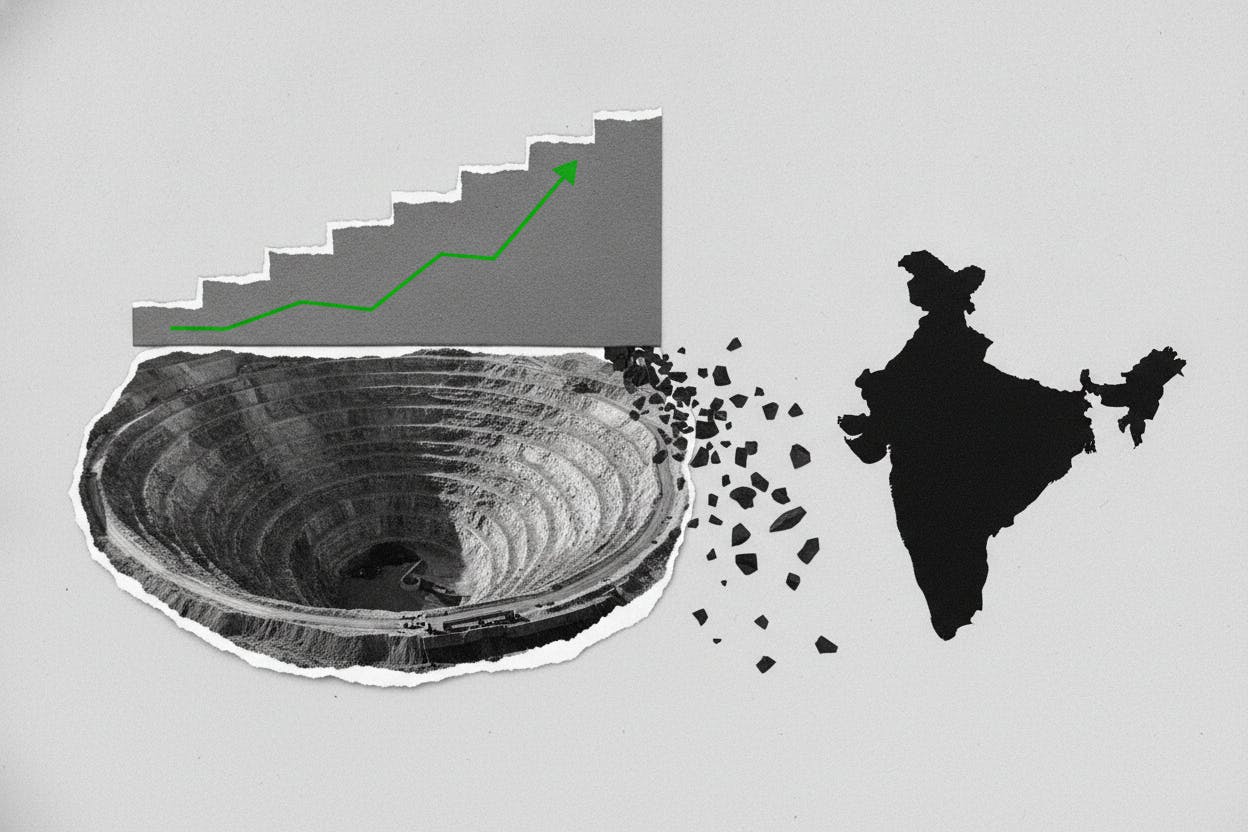
Australia's coking coal miners are facing a strategic tug-of-war. On one side, India's ambitious steel expansion plans promise a surge in demand for the fuel. On the other, higher royalty costs in Queensland are making major producers like BHP reluctant to invest in new supply, pushing them toward what some analysts call a 'managed decline.'
What Is Coking Coal and Why Does It Matter?
Coking coal, also known as metallurgical coal, is a key ingredient in traditional blast-furnace steelmaking. It is converted into coke, which provides both heat and the chemical reaction needed to turn iron ore into steel. Australia is one of the world's largest seaborne suppliers of coking coal, and Queensland is the heart of that production.
According to a Reuters column by Clyde Russell, Australia exported 148.4 million metric tons of coking coal in 2025. India is already a major buyer, and the column projects Indian steel output could reach about 400 million tons by 2035, up from 163 million tons today. That growth would largely rely on blast furnaces, which require coking coal.
The Queensland Royalty Hike
In 2022, the Queensland government raised royalty rates on coal production, significantly increasing the cost of doing business in the state. For companies like BHP, which operates some of the world's largest coking coal mines there, the higher taxes have made it harder to justify the capital needed to develop new mines or expand existing ones.
Instead, BHP and other miners are considering a 'managed decline' approach—essentially running existing assets until they are exhausted without replacing them. This strategy would reduce supply from Queensland over time, even as global demand, particularly from India, continues to grow.
India's Steel Ambitions
India is the world's second-largest steel producer and is investing heavily in expanding capacity. The country's steel ministry has set a target of 300 million tons of steelmaking capacity by 2030, with further growth to 400 million tons by 2035. Much of that expansion is expected to come from traditional blast furnaces, which are heavy users of coking coal.
India's reliance on imported coking coal is already high, and it is likely to increase as domestic production struggles to keep pace. That makes Australia's position as a supplier critical—but the royalty hike could undermine that role.
For context, India's broader economic momentum has been a bright spot for global markets. Recent reports show Indian stocks edging higher as falling oil prices and a rebound in IT stocks lift sentiment, while the Indian rupee has slipped against a stronger dollar. These factors influence the cost of imports and the competitiveness of Indian steel exports.
What It Means for Investors
For everyday investors, this story highlights a classic tension in commodity markets: demand is rising, but supply constraints could push prices higher. If Queensland's coking coal output declines while India's appetite grows, the global market could tighten, potentially lifting prices for the coal that does reach the market.
That could benefit other coking coal producers outside Queensland, such as those in the United States or Canada, who might fill the gap. But it also means higher input costs for Indian steelmakers, which could squeeze their margins and affect the profitability of Indian steel stocks.
Investors should also watch how BHP and other miners allocate capital. If they choose to invest in other commodities or regions instead of Queensland coking coal, that signals a long-term shift in supply dynamics. The broader backdrop of Australia's commodity prices dipping in June, partly due to weaker base metals, adds another layer of complexity for resource-focused portfolios.
What to Watch Next
Key developments to monitor include any changes to Queensland's royalty regime, BHP's capital expenditure plans, and India's actual steel output growth. If India's steel expansion accelerates, the demand for coking coal could outpace supply, creating a potential price spike. Conversely, if India shifts more toward electric arc furnaces—which use scrap steel instead of coking coal—the demand picture could change.
For now, the dilemma remains: Australia's coking coal miners have a willing buyer in India, but the cost of doing business in Queensland may prevent them from meeting that demand. The outcome will shape not only the fortunes of miners and steelmakers but also the broader dynamics of global commodity markets.