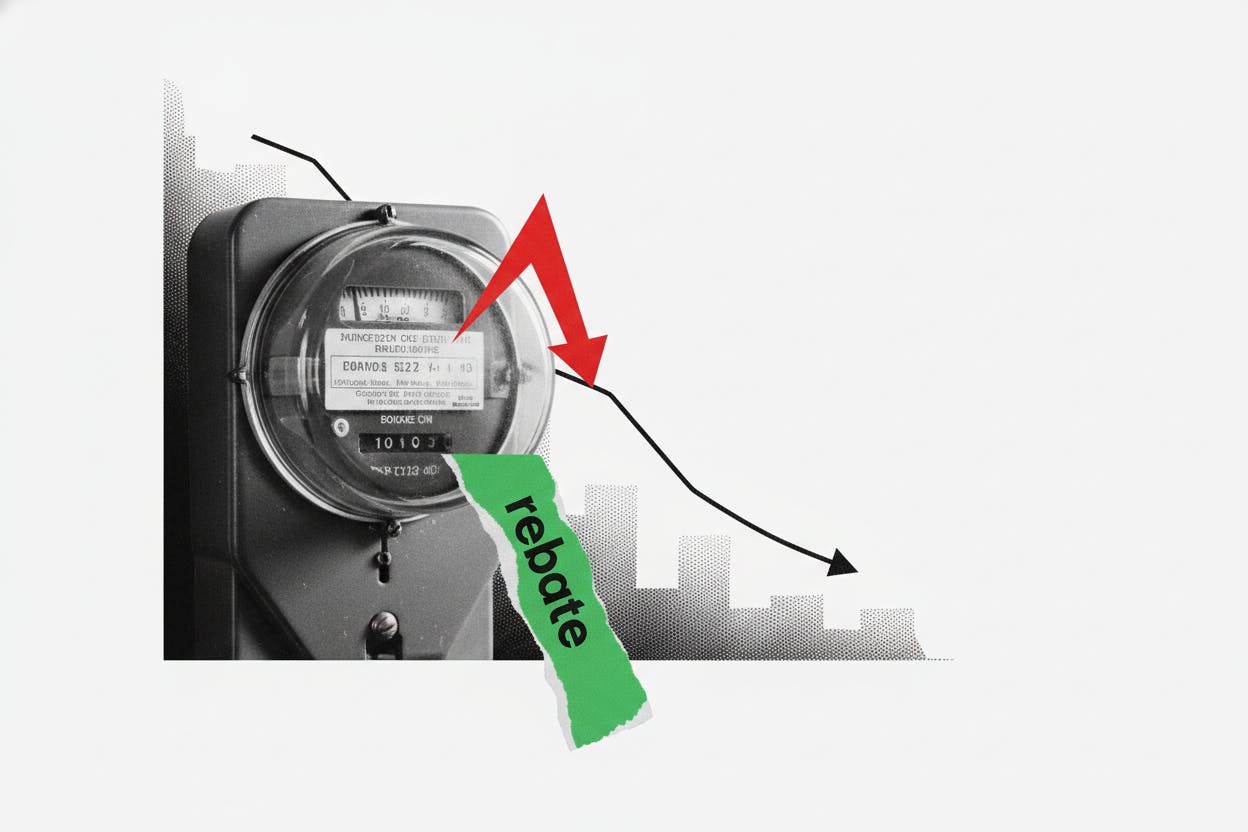
Australia's inflation rate continued its slow descent in the year to June, but the relief was uneven — and for many households, power bills delivered a painful jolt. The consumer price index (CPI) rose 3.8% over the 12 months to June, down from 4% in the year to May, according to the Australian Bureau of Statistics. But electricity prices jumped more than 22% over the same period, as temporary government rebates that had been holding down bills rolled off.
The data underscores a familiar tension for the Reserve Bank of Australia (RBA): headline inflation is moving in the right direction, but the cost of essential services — especially housing and energy — remains stubbornly high. For everyday investors, the question is how long this stickiness will delay any potential interest rate cuts.
Housing and energy drive the numbers
The ABS attributed much of the overall price rise to housing costs, which climbed 6.8% over the year. Within that category, electricity and new-home construction were the main contributors. The electricity price spike is largely a statistical artifact: the 22% jump reflects the fact that last year's rebates artificially lowered the base for comparison. Once those rebates ended, the recorded price snapped back, even if wholesale power costs didn't suddenly surge.
Still, for households, the effect is real. A family that had been paying reduced bills now faces a much higher charge, adding to the broader cost-of-living squeeze. The ABS noted that without the rebate roll-off, electricity inflation would have been far more modest.
What it means for the Reserve Bank
The RBA has been walking a tightrope. It wants to bring inflation back to its 2-3% target band without tipping the economy into recession. The June CPI reading shows progress — but not enough to declare victory. Core measures of inflation, which strip out volatile items like energy, are still running above the target range.
Markets are now pricing in a lower probability of a rate cut in the near term. The RBA's next meeting will be closely watched for any shift in language. If the bank signals that it sees the electricity spike as a one-off, it could keep the door open to easing later this year. But if it views persistent services inflation as a deeper problem, rates may stay higher for longer.
For context, the RBA has held its cash rate at 4.35% since November 2023, after a rapid tightening cycle that lifted it from a record low of 0.1%. The central bank has been wary of cutting too early, only to see inflation reaccelerate — a mistake it made in the early 2020s.
Investor takeaways
For investors, the mixed inflation report has several implications. First, it reinforces the case for caution in rate-sensitive sectors. Real estate investment trusts (REITs) and homebuilders, which benefit from lower borrowing costs, may see their share prices remain under pressure if rate cuts are delayed. On the other hand, banks could benefit from a prolonged period of higher net interest margins, as long as loan defaults don't spike.
Second, the energy price jump highlights the vulnerability of household budgets to policy changes. Companies in the utilities sector may see more stable revenue, but consumer-facing businesses — retailers, restaurants, and discretionary goods providers — could face continued headwinds as households tighten their belts.
Third, the data adds to the global narrative that inflation is cooling, but not uniformly. Similar dynamics are playing out in the US and Europe, where Treasury yields have eased as oil prices retreat, but core inflation remains sticky. Australian investors should watch how the RBA's stance compares with the Federal Reserve and the European Central Bank, as diverging rate paths can affect the Australian dollar and export competitiveness.
What to watch next
The RBA's quarterly statement on monetary policy, due in August, will provide a more detailed outlook. Investors will also be monitoring monthly CPI indicators for July and August to see if the electricity spike fades or spreads into other categories. The labor market remains tight, with unemployment near 50-year lows, which could give the RBA cover to hold rates steady.
In the meantime, the message for everyday investors is to stay diversified. Inflation may be cooling, but the path is bumpy, and the sectors that benefit from a low-rate environment may not rally until the RBA is clearly ready to cut. As always, patience and a long-term perspective are key.