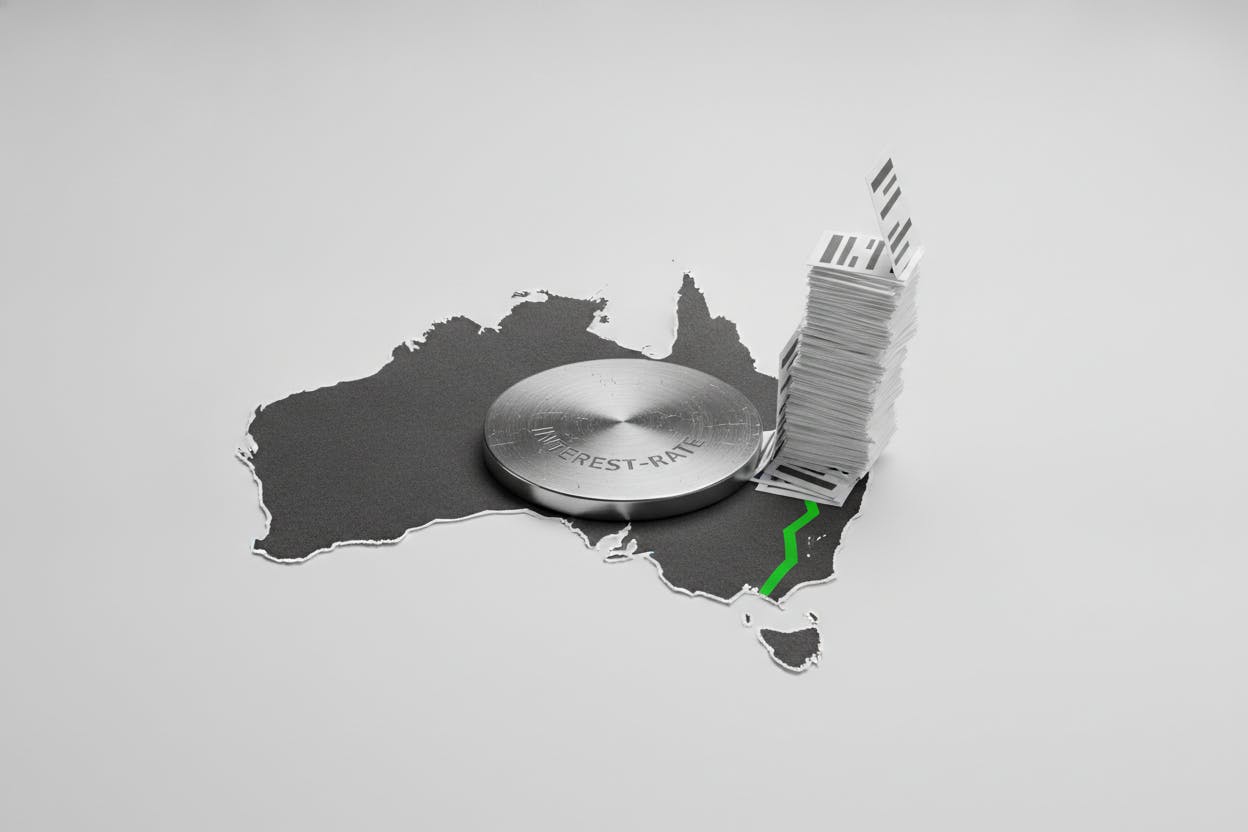
Australia's job market showed renewed strength in July, with the ANZ-Indeed job ads index rising 0.8% from June to a seasonally adjusted 117.1. The increase, reported by ANZ and job-search platform Indeed, signals that employers are still looking to hire even as the Reserve Bank of Australia (RBA) keeps its cash rate at 4.35%.
The July uptick follows a small, upwardly revised dip in June, and leaves job listings 2.1% higher than a year ago. They also stand 16.2% above the average level seen in the 2010s, according to the report.
What's driving the increase?
Indeed's senior economist Callam Pickering said the lift was led by New South Wales, with Victoria and Queensland also contributing. South Australia and Western Australia were flat during the month.
The regional spread suggests that hiring demand is broad-based across the country's largest states, even as some areas cool. This resilience comes despite the RBA's decision to hold interest rates at 4.35% — a level that has been in place since late 2023 as the central bank tries to bring inflation back to its 2-3% target.
Job ads are often seen as a leading indicator of the labour market, since they reflect employers' near-term hiring plans. A steady or rising trend in ads can point to continued employment growth, while a sharp decline might signal layoffs ahead.
What it means for investors
For everyday investors, the job ads data is more than just a labour market statistic — it's a window into the health of the Australian economy. Strong hiring demand typically supports consumer spending, which in turn underpins corporate earnings and the broader share market.
The resilience in job ads may also influence the RBA's thinking. If the labour market remains tight, the central bank could feel less pressure to cut rates soon, even as inflation cools. That would affect everything from mortgage rates to the performance of rate-sensitive sectors like property and banking.
Investors have been watching for signs of a slowdown in the jobs market as a precursor to rate cuts. The July data suggests that any such slowdown is not yet materialising, which could mean interest rates stay higher for longer.
However, it's worth noting that job ads are just one piece of the puzzle. The RBA will also be looking at official employment figures, wage growth, and inflation data before making any move. The next official jobs report will be closely scrutinised for confirmation of the trend.
For those with investments in Australian companies, particularly in consumer-facing sectors, the steady job market is a positive sign. But it also means that the cost of borrowing — for both companies and households — is likely to remain elevated for now.
In the broader context, Australia's job market has been remarkably resilient over the past year, defying expectations of a sharp slowdown. The ANZ-Indeed index has remained well above its pre-pandemic levels, and the latest reading suggests that momentum is continuing.
That said, the picture is not uniform across the country. The flat readings in South Australia and Western Australia highlight that some regions are feeling the pinch more than others, possibly due to sector-specific factors like mining investment or population growth.
For investors, the key takeaway is that the Australian economy is still generating jobs, which supports household incomes and spending. That's a backdrop that tends to be favourable for domestic-focused businesses, from retailers to banks.
At the same time, the RBA's rate stance remains a headwind. Higher interest rates increase borrowing costs and can dampen consumer confidence, even if the labour market is holding up. The balance between these forces will be a central theme for markets in the coming months.
As always, it's important to remember that job ads data can be volatile month to month, and one month's reading doesn't make a trend. Investors should look at the longer-term trajectory and combine it with other indicators before drawing conclusions.
For now, the July job ads report offers a reassuring signal that the Australian economy is not falling off a cliff, even as the RBA keeps its foot on the brake. Whether that resilience can continue will depend on how inflation and global conditions evolve.