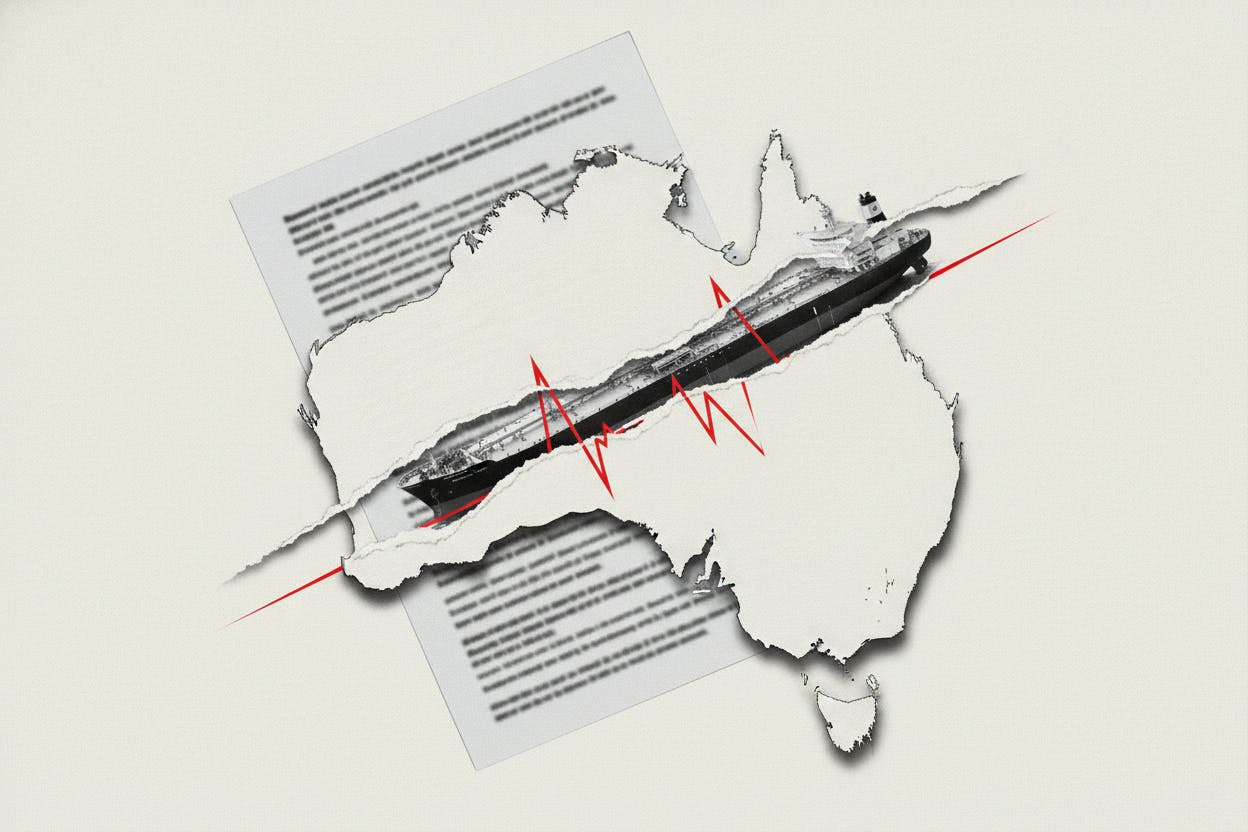
Australian shares are expected to edge higher at the open on Monday, but the mood is tempered by a fresh spike in geopolitical risk. Oil prices have steadied after a new round of US-Iran military strikes revived concerns about shipping through the Strait of Hormuz, a narrow waterway that handles roughly a fifth of the world's crude exports.
The development comes as traders also look ahead to the Reserve Bank of Australia's June meeting minutes, due Tuesday, for any fresh signals on how the central bank views inflation and economic growth. The combination of rising energy costs and domestic policy uncertainty is creating a cautious backdrop for equity markets.
Why the Strait of Hormuz Matters for Your Portfolio
The Strait of Hormuz is a critical chokepoint for global oil supplies. Any disruption—whether from military action, sabotage, or political tension—can quickly push crude prices higher. That matters for investors because higher oil prices feed into broader inflation expectations, which in turn influence central bank interest-rate decisions.
For Australian investors, the impact is twofold. First, energy stocks like Woodside and Santos may benefit from higher crude prices. But second, rising oil costs can squeeze margins for airlines, transport companies, and any business that relies heavily on fuel. It can also push the RBA to keep rates higher for longer, which tends to weigh on stock valuations, especially for growth-oriented companies.
This is not the first time the Strait of Hormuz has rattled markets. Similar incidents have caused oil spikes in the past, and the pattern is familiar: a short-term risk premium appears, then fades if no actual supply disruption occurs. But the current backdrop—with the US and Iran engaged in direct strikes—raises the stakes. For context, a related article on Saudi stocks showed how regional markets have already reacted to the same tensions.
RBA Minutes: What Investors Are Watching
The Reserve Bank of Australia's June meeting minutes, due Tuesday, will be scrutinised for any shift in the central bank's tone on inflation and the labour market. The RBA has held rates steady at 4.35% since November, but stubbornly high services inflation and a tight jobs market have kept the door open to further hikes.
Investors will be looking for clues on whether the board discussed the possibility of another rate rise, or whether it sees enough evidence that inflation is cooling to hold steady. The minutes could also shed light on how the RBA views the impact of higher oil prices on its inflation forecasts. If the bank signals more concern about price pressures, bond yields could rise and rate-sensitive stocks—like real estate and consumer discretionary—could come under pressure.
The RBA's stance is part of a broader global picture. Central banks in the US, Europe, and elsewhere are grappling with similar trade-offs between inflation and growth. A recent article on how a jobs report could reignite Fed rate hike talk highlights how interconnected these decisions are.
Gold Miners in the Spotlight: Ramelius and Greatland Gold
Beneath the macro headlines, two gold-mining stories are driving their own momentum. Ramelius Resources has agreed to sell its Edna May Gold Hub to Forrestania Resources for AU$300 million. The deal underscores the value of integrated processing infrastructure: the Edna May site includes a processing plant and nearby mining rights, making it a ready-made cash-generating platform rather than just a standalone deposit.
Separately, Greatland Gold reported that its group ore reserve estimate jumped 62% to 5 million ounces. Ore reserves are the portion of a mineral deposit that engineers believe can be mined profitably under realistic economic and technical conditions. They are the key input analysts use to build cashflow models for a mine. A 62% increase to 5 million ounces can imply a longer mine life, higher annual production, or both—which can significantly raise the estimated future cashflows when discounted back to today's value.
For investors, a larger reserve base also makes a company a more attractive takeover target. Bidders tend to pay a premium for projects with clear, bankable production plans. The market can re-rate a stock quickly when the reserve base expands, as it did for Greatland Gold. The Ramelius deal shows that processing plants and nearby mining rights can be valued as a platform for generating cash, not just as a single deposit.
The broader gold sector has been buoyed by elevated gold prices, which have stayed above US$2,300 per ounce for much of 2024. That backdrop makes reserve upgrades and asset sales particularly meaningful, as they directly affect the valuation of gold miners.
What It Means for Everyday Investors
For Australian investors, the key takeaway is that the market is navigating two competing forces: a positive start to the week on the back of expected gains, but a renewed risk premium from oil that could complicate the inflation and interest-rate outlook. The RBA minutes will be the next major catalyst, and any hawkish surprise could quickly reverse the early optimism.
In the gold space, the Ramelius and Greatland Gold stories highlight how company-specific events can create opportunities even when the macro picture is uncertain. Reserve upgrades and asset sales are tangible catalysts that can drive stock prices independently of the broader market.
As always, investors should focus on their own risk tolerance and time horizon. Geopolitical events like the Strait of Hormuz tensions tend to create short-term volatility, but their long-term impact depends on whether they actually disrupt supply. The RBA's policy path will be more consequential for Australian stocks over the coming months.