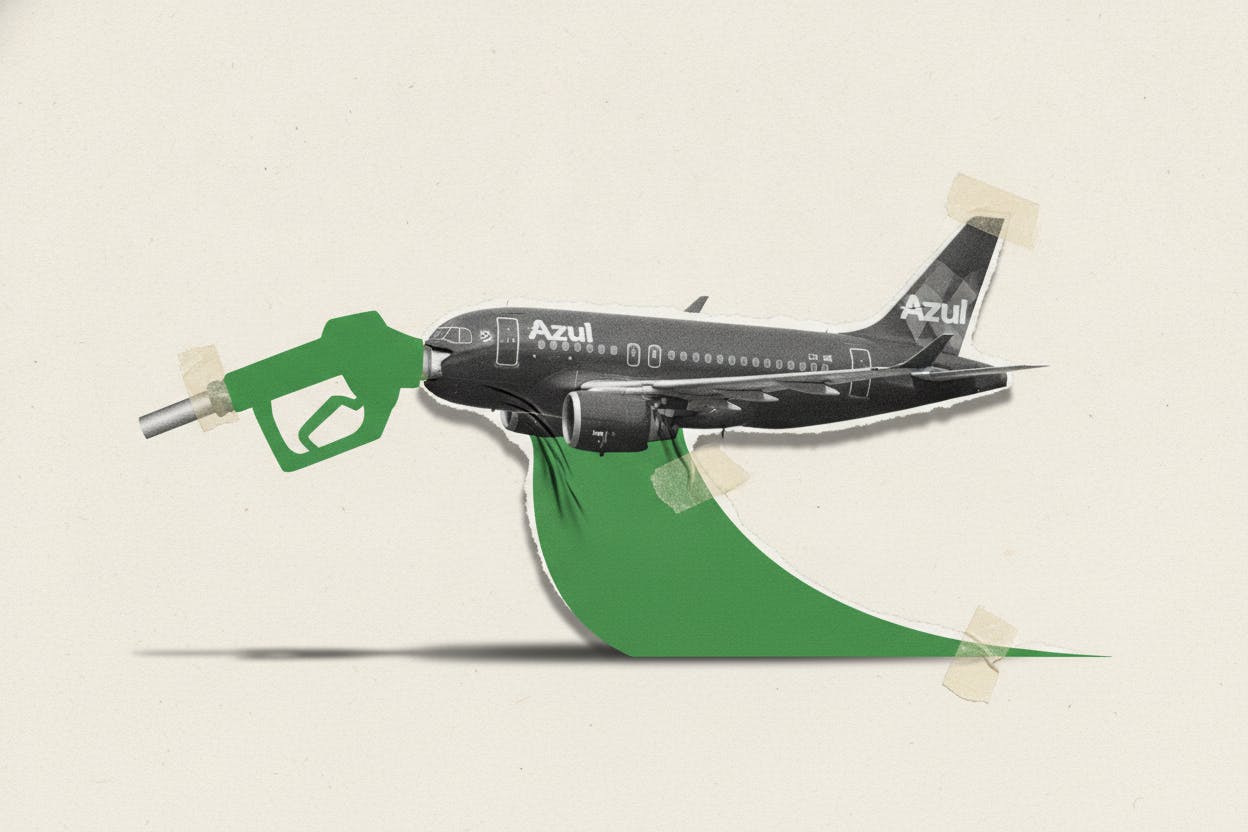
Brazilian airline Azul posted record second-quarter revenue of 4.98 billion reais, but the headline number masked a sharp profit squeeze: earnings before interest, taxes, depreciation, and amortization (EBITDA) tumbled 55% as jet fuel costs spiked 61.8% per liter in the wake of the US-Israeli conflict with Iran.
The fuel shock hit airlines where they are most exposed. Jet fuel is typically an airline's largest single cost, and a jump of that magnitude can erase gains from higher ticket sales. For Azul, the result was a classic case of revenue growth being overshadowed by a cost hangover.
How Azul is responding
Azul, Brazil's largest airline by the number of cities it serves, is still stabilizing after emerging from a nine-month US Chapter 11 restructuring in February. With fuel costs soaring, the company has leaned on a simple lever: fly less. In the second quarter, Azul cut capacity by 10.6% and raised average fares by 9.5% from a year earlier.
That strategy helped push revenue to just under analyst forecasts of 5.03 billion reais, coming in at 4.98 billion. The fare increases helped offset some of the fuel pain, but they also reflect a broader trend in the industry: when fuel prices spike, airlines often pass costs to passengers, which can dampen demand if fares rise too high.
The capacity cut is a deliberate move to protect yields, but it also means fewer flights and potentially less convenience for travelers. For investors, it signals that Azul is prioritizing profitability over growth in the short term.
What the fuel spike means
The 61.8% jump in fuel cost per liter is directly tied to the geopolitical tension in the Middle East. The US-Israeli war on Iran disrupted oil markets, sending crude prices higher and, in turn, pushing up jet fuel prices globally. Airlines that cannot hedge fuel costs effectively are especially vulnerable to such swings.
Azul's fuel bill is a reminder of how external shocks can quickly change an airline's financial picture. Even with record revenue, a cost line that jumps by more than 60% can wipe out profits. The company's EBITDA decline of 55% illustrates the magnitude of the hit.
For context, airlines often use hedging to lock in fuel prices, but the volatility of recent months has made that difficult. Azul's exposure to the spot market likely amplified the impact.
What it means for investors
For everyday investors, Azul's results highlight the risks of airline stocks. They are highly sensitive to fuel prices, economic cycles, and geopolitical events. A company can post record sales and still see its earnings collapse if costs spiral.
Azul's management is betting that capacity cuts and higher fares will restore profitability. But the success of that strategy depends on fuel prices stabilizing and demand holding up. If oil remains elevated, the airline may need to make further adjustments.
Investors should watch for updates on fuel costs, capacity plans, and fare trends in the coming quarters. The company's ability to manage its balance sheet after restructuring will also be key. Azul's Chapter 11 exit gave it a fresh start, but high fuel costs could test that resilience.
In the broader market, the oil shock has had ripple effects. Cooling inflation and an oil drop helped lift the S&P 500 to a record, but that was before the latest geopolitical flare-up. European stocks have defied war fears to hit record highs, showing that markets can sometimes shrug off geopolitical risks. Yet for airlines, the fuel cost is a direct hit that cannot be ignored.
Azul's situation also echoes challenges seen elsewhere. Retailers like Target are seeing sales recover, but they face their own cost pressures. The lesson is similar: revenue growth alone doesn't guarantee profitability.
As Azul navigates this fuel-bill hangover, investors will be watching to see if the airline can turn record sales into sustainable earnings. The next few quarters will be telling.