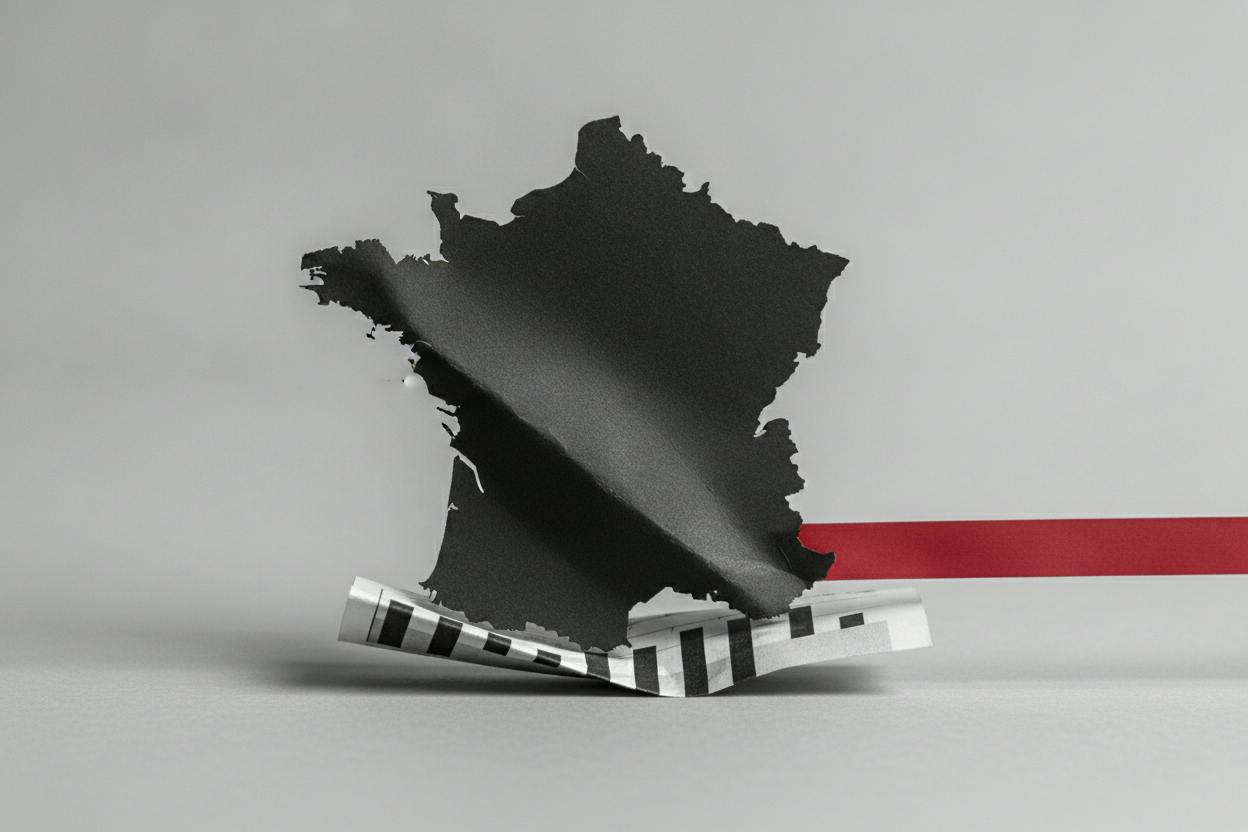
France's central bank has trimmed its growth outlook for next year, adding to signs that Europe's second-largest economy is losing steam. In its quarterly forecast released Tuesday, the Bank of France cut its 2026 growth projection to 0.4% from 0.5%, citing weaker momentum as households and businesses hold back on spending.
The downgrade follows a stall in activity during the first half of the year. The central bank's assessment is based in part on a survey of 8,500 business leaders, which suggests only a modest rebound in the coming quarter. Energy prices were flagged as the biggest source of uncertainty hanging over the outlook.
Why growth is cooling
The French economy has been grappling with a familiar mix of headwinds. High interest rates, elevated inflation in recent years, and political uncertainty have made both consumers and companies cautious. When households tighten their belts and firms delay investment, demand softens, which feeds directly into slower growth.
The Bank of France's move mirrors a broader trend across the eurozone, where several economies are struggling to regain momentum. Germany, for instance, has seen wholesale prices jump as energy costs bite, a reminder that the region's energy dependence remains a vulnerability. Germany's wholesale prices jumped 6.8% in a recent reading, underscoring how energy shocks can ripple through supply chains.
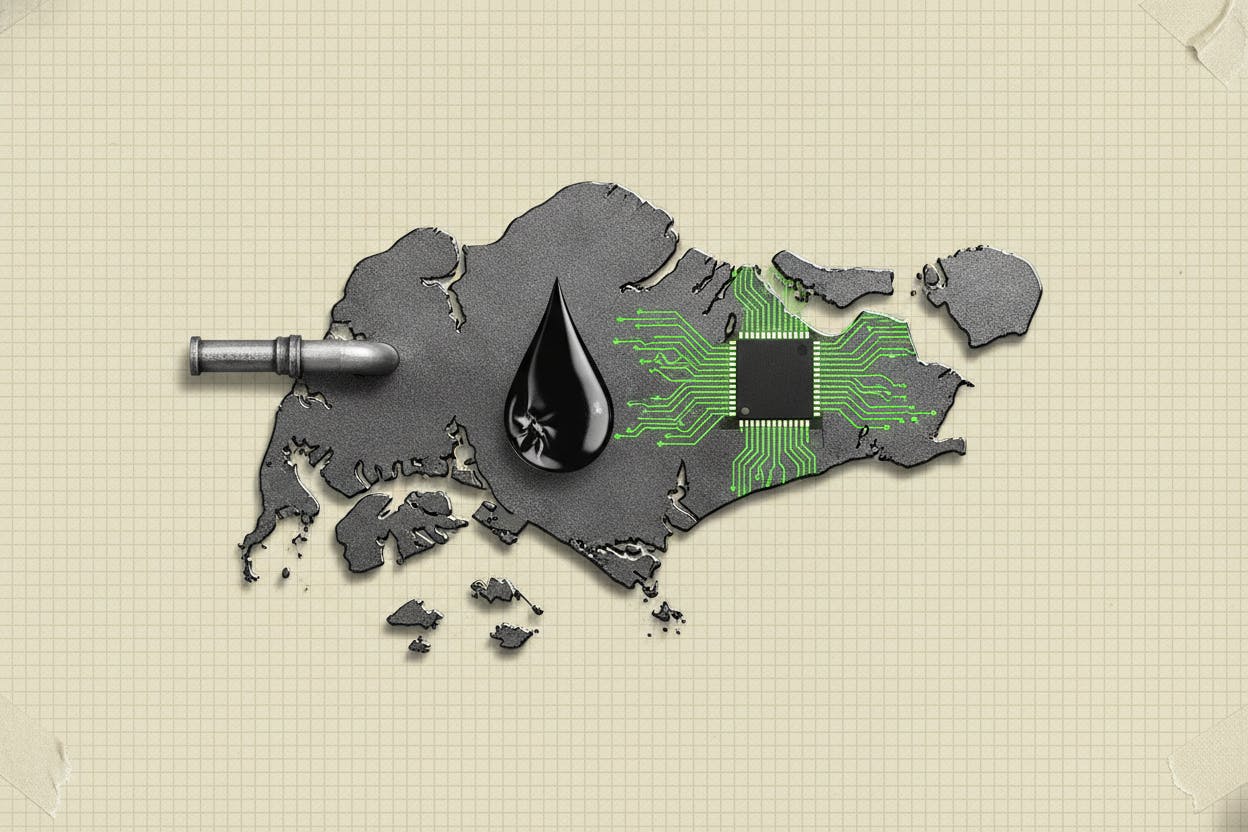
Energy is a particularly sensitive issue for France, which relies heavily on nuclear power but still imports fossil fuels. Any spike in oil or gas prices can quickly feed into production costs and household bills, dampening consumption. The central bank's warning that energy prices are the biggest uncertainty suggests that a sudden move in crude or natural gas could push growth even lower.
What this means for investors
For everyday investors, a weaker growth outlook in France has several implications. First, it can weigh on European equities, especially companies with heavy exposure to French consumer spending. Retailers, automakers, and luxury goods firms are often sensitive to domestic demand. The recent cooling in Chinese luxury demand has already pressured names like LVMH, and a softer French economy adds another layer of caution.
Second, slower growth may influence the European Central Bank's policy path. If the eurozone economy continues to underperform, the ECB might feel more pressure to cut interest rates sooner or more aggressively. Lower rates can be a tailwind for stocks, particularly growth-oriented sectors, but they also signal underlying economic weakness.
For bond investors, a downgrade in growth forecasts can affect government bond yields. Slower growth often leads to lower yields as investors anticipate looser monetary policy. However, if energy prices spike, inflation could stay sticky, complicating the picture.
Broader European context
France's slowdown is not happening in isolation. Across the eurozone, business confidence has been fragile, and the bloc's largest economy, Germany, has also shown signs of strain. German investor confidence has steadied recently, but wholesale price increases are a reminder that cost pressures remain.
Energy prices have been a recurring theme. When oil tops $100 a barrel, as it did in a recent spike, energy stocks tend to rally, but the broader economy suffers. Oil topping $100 again lifted energy stocks, yet it also raises costs for businesses and consumers, potentially dampening demand further.
For investors, the takeaway is that European growth is fragile, and energy remains the wildcard. Companies with pricing power or strong balance sheets may weather the slowdown better, while those reliant on discretionary spending could face headwinds.
What to watch next
The Bank of France's forecast is just one data point. Investors will be watching upcoming economic indicators, such as retail sales, industrial production, and inflation readings, to see if the slowdown deepens or stabilizes. The ECB's next policy meeting will also be closely scrutinized for any hints of rate cuts.
Energy markets will be key. If oil and gas prices stay elevated, that could force the central bank to revise its outlook again. Conversely, a drop in energy costs could provide some relief and support a modest recovery.
For now, the message from the Bank of France is clear: the economy is losing momentum, and the path ahead is uncertain. For investors, that means staying diversified and keeping an eye on energy prices as a potential trigger for market moves.