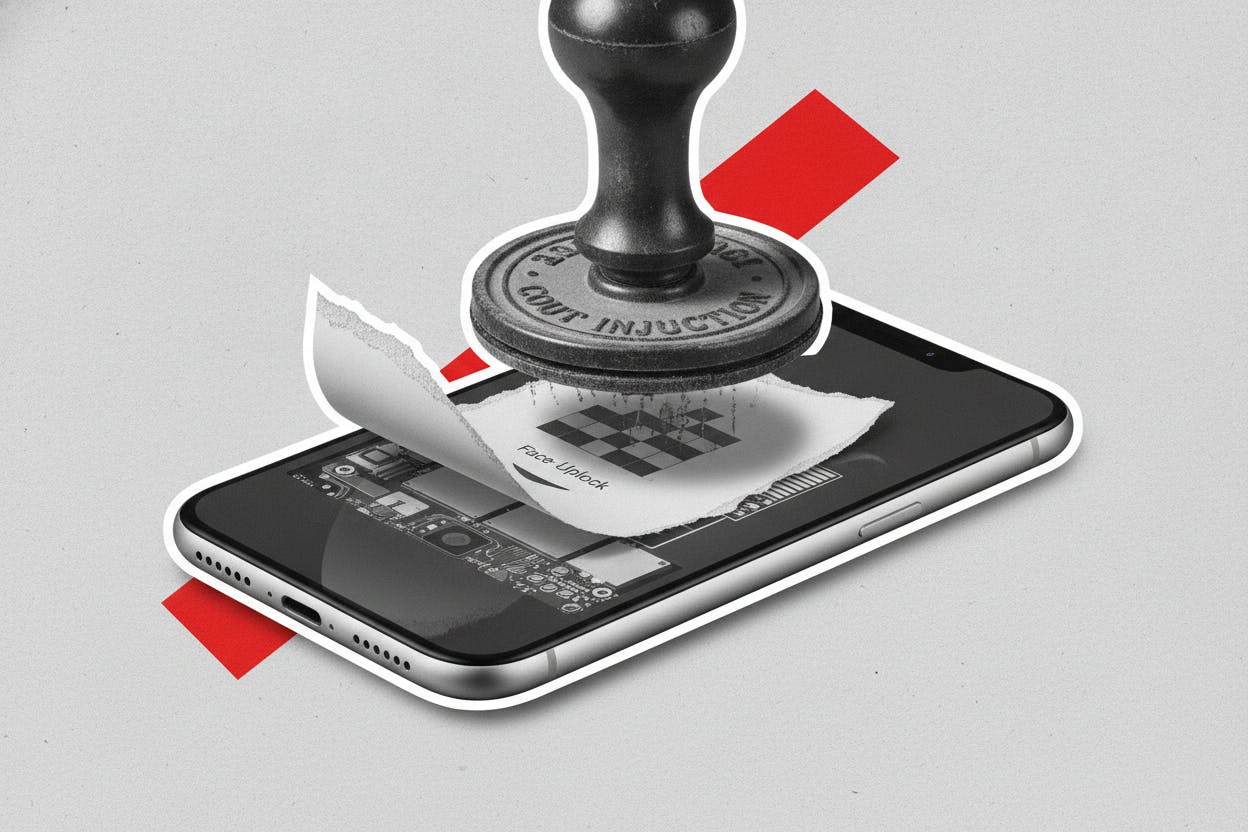
BASF's trinamiX unit has filed a lawsuit against Apple, alleging that the facial authentication technology used in some iPhones and iPads infringes seven of its patents. According to court documents cited by Reuters, trinamiX is seeking damages and an order to stop Apple from using the technology.
The case adds another layer to the ongoing legal battles that Apple faces over its popular Face ID feature, which allows users to unlock devices and authorize payments with a glance. For investors, patent disputes are a familiar risk for large tech companies, but they rarely result in significant financial penalties or product bans. Still, they can create uncertainty and legal costs.
What is trinamiX and why does it matter?
trinamiX is a subsidiary of BASF, the German chemical giant. While BASF is best known for chemicals, plastics, and agricultural products, trinamiX focuses on sensor technology and spectroscopy. The company has developed technologies for facial recognition and material identification, and it holds a portfolio of patents in these areas.
Patent lawsuits are common in the tech industry, where companies often use intellectual property as both a shield and a sword. For a company like trinamiX, suing a major player like Apple can be a way to monetize its research and development, or to force a licensing agreement. For Apple, defending against such claims is part of doing business, but it can be costly and distracting.
What does this mean for Apple investors?
For everyday investors, the immediate impact of this lawsuit is likely to be minimal. Apple is a massive company with deep pockets and a history of successfully defending against patent claims. The company has faced numerous similar lawsuits over the years, and most have been resolved without major disruption to its products or finances.
However, the case does highlight a broader risk: the cost of litigation and the potential for injunctions that could affect product availability. In the past, some patent disputes have led to import bans or forced design changes, though these are relatively rare. Investors should watch for any court rulings that could affect Apple's ability to sell its devices, but such outcomes are uncertain and often years away.
Apple's legal battles are not new. The company has been involved in high-profile disputes with other tech giants, such as Samsung and Qualcomm, over patents and licensing fees. These cases often end in settlements or licensing deals, which can be a source of revenue for the patent holder but a cost for Apple.
Broader context: Apple's legal and business landscape
This lawsuit comes at a time when Apple is reshuffling its leadership, with CFO Luca Maestri taking on more responsibilities and John Ternus reportedly set to become CEO. The company is also betting on local AI agents with its new Mac mini, and putting on-device AI at the center of its pitch for new Macs. These moves suggest Apple is focusing on innovation and product development, which could be a positive for long-term growth.
Patent disputes are just one of many risks that Apple faces. The company also deals with regulatory scrutiny, supply chain issues, and competition from rivals like Samsung and Google. For investors, it's important to consider the whole picture rather than reacting to a single lawsuit.
What to watch next
Investors should keep an eye on how the case progresses. Key milestones could include court rulings on claim construction, which can often determine the outcome of patent cases. If trinamiX wins an injunction, it could potentially affect Apple's sales, but that is a long shot. More likely, the case will end in a settlement or a licensing agreement, which would be a minor financial hit for Apple.
For those interested in the broader patent landscape, similar cases are happening across the tech sector. For example, India's SEBI is taking its probe into Adani short-seller allegations to Mauritius courts, and Mizuho is seeking an injunction against Radiant World in Singapore. These cases show that legal disputes are a global phenomenon, affecting companies of all sizes.
In the end, this lawsuit is unlikely to change Apple's investment thesis. The company remains a dominant player in smartphones and tablets, with a loyal customer base and a strong ecosystem. Patent litigation is a cost of doing business in tech, and Apple has the resources to handle it. For investors, the key is to stay informed and focus on the long-term fundamentals.