Bell Canada, a subsidiary of telecom giant BCE, is bringing artificial intelligence into its cybersecurity operations. At the Bell Cybersecurity Summit in Toronto, the company announced a partnership with AI firm Cohere to deploy a large language model (LLM) designed specifically for security work. The model is already running in production on Bell AI Fabric, the company's internal AI platform, and is being used by Bell Cyber's Autonomous Security Operations Centre.
For everyday investors, this is a signal that AI is moving from hype to practical use in critical infrastructure. Bell is not just experimenting with AI; it's integrating it into a core business function where speed and accuracy matter. The move also underscores a growing trend among Canadian companies to keep sensitive data within the country's borders, especially when it comes to security and privacy.
What the AI does
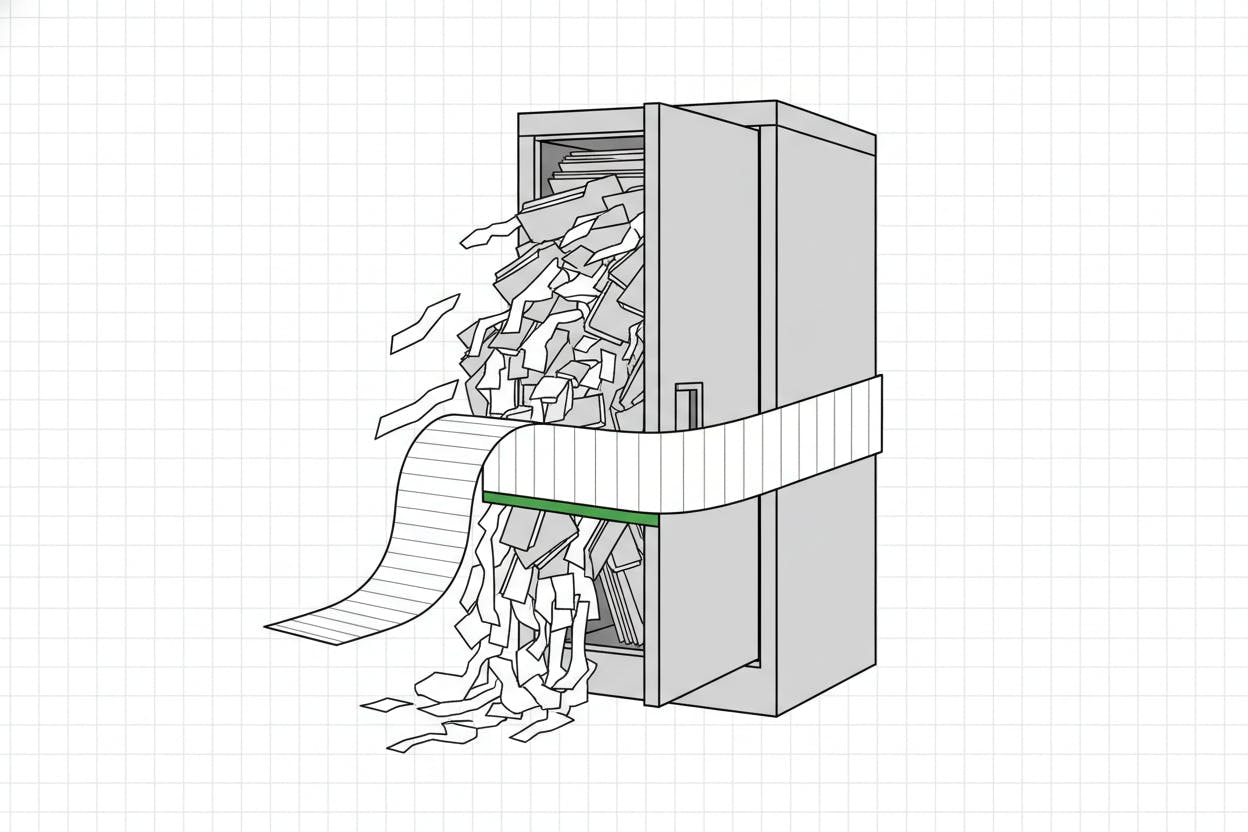
The large language model is being used to help security analysts handle the flood of alerts that come in daily. It can sift through alerts, summarize incidents, and standardize investigation notes. This is meant to reduce the time analysts spend on routine tasks, allowing them to focus on more complex threats.
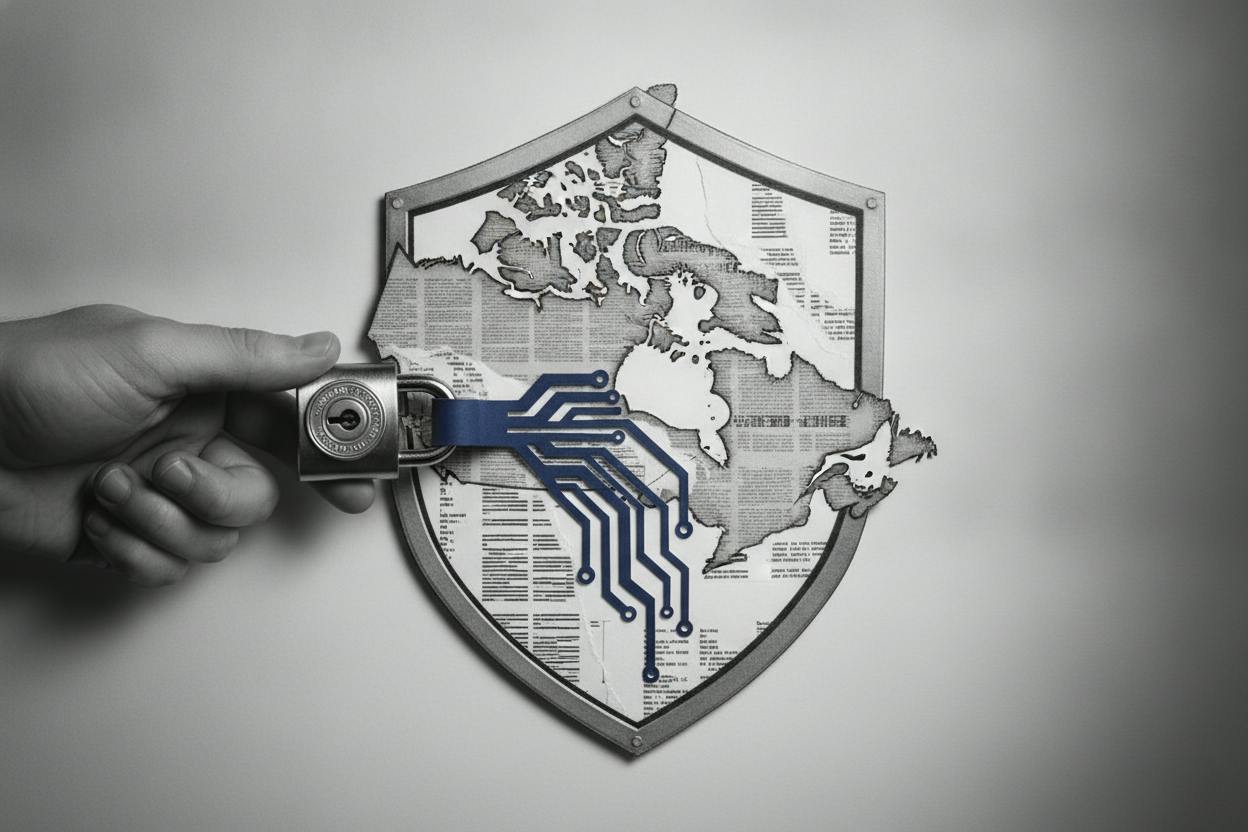
By processing data on Bell AI Fabric, the system ensures that sensitive security information stays in a Canadian-hosted environment. This is a key selling point for Bell, as it addresses concerns about data sovereignty and compliance with Canadian privacy laws. For businesses and government clients, knowing that their security data is not leaving the country can be a significant advantage.
The integration into Bell Cyber's Autonomous Security Operations Centre suggests that Bell is aiming for a more automated approach to threat detection and response. While the system is not fully autonomous, it represents a step toward using AI to augment human analysts rather than replace them.
Why this matters for investors
For BCE investors, this announcement is a reminder that the company is investing in technology to improve efficiency and differentiate its services. Cybersecurity is a growing market, and telecom companies are well-positioned to offer security solutions to businesses and governments. By partnering with Cohere, a Canadian AI company, Bell is also aligning with the country's push to build a domestic AI ecosystem.
The broader takeaway is that AI adoption in the corporate world is accelerating, but it's happening in measured, practical steps. Companies are looking for specific use cases where AI can deliver clear value, such as reducing operational costs or improving response times. For investors, this means paying attention to how companies are deploying AI and whether those deployments are translating into better financial performance.
It's also worth noting that Bell's move comes at a time when the Canadian economy is facing headwinds. The loonie has been sliding, and the Bank of Canada recently held rates at 2.25% but flagged potential hikes ahead. In this environment, companies are looking for ways to cut costs and improve productivity, and AI is one tool they are turning to.
What to watch next
Investors will be watching to see if Bell expands its use of Cohere's AI to other parts of its business, such as customer service or network management. They'll also be looking for evidence that the cybersecurity AI is actually reducing costs or winning new contracts. Any announcements about the performance of the system or new clients would be positive signals.
For those interested in the broader AI landscape, this partnership is another example of how Canadian companies are leveraging homegrown AI talent. Cohere, which has been making waves in the AI space, is positioning itself as a provider of enterprise-grade models that can be deployed on-premises or in private clouds. This approach appeals to companies that are wary of sending sensitive data to public cloud providers.
In the end, Bell's move is a practical application of AI that could have real benefits for its cybersecurity business. For investors, it's a sign that the company is thinking ahead and investing in technology that could give it a competitive edge. As always, it's important to consider the risks, including the possibility that the AI may not perform as expected or that competitors will adopt similar technologies.
For more on how AI is being used in other sectors, check out our coverage of satellite production scaling and China's DRAM chip production. Also, see how the loonie's slide is affecting markets.