Rolls-Royce shares got a fresh vote of confidence on Tuesday as Berenberg, a European investment bank, raised its price target on the British engine maker to 1,900 pence from 1,430 pence. The move follows what the bank called strong first-half results across the company's three main divisions: civil aerospace, defence, and power systems. Berenberg also increased its earnings per share (EPS) estimates by 10% to 15% for the coming years.
The new target implies meaningful upside from current levels, though it's worth noting that price targets are analysts' opinions, not guarantees. For everyday investors, the key takeaway is that a respected sell-side firm sees more room for Rolls-Royce to grow, driven by its newest generation of Trent jet engines.
Why Trent engines matter
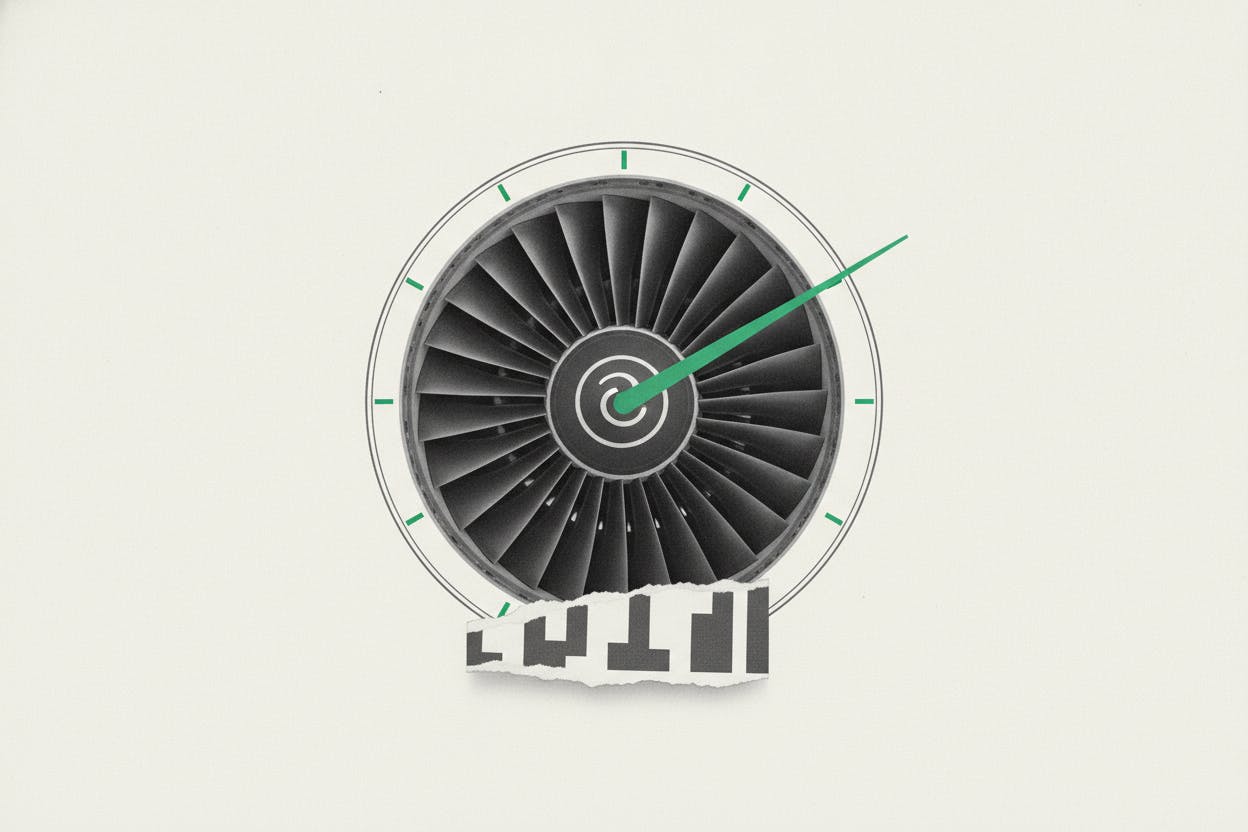
Rolls-Royce makes money in two big ways in civil aerospace: selling engines upfront and then collecting steady, higher-margin revenue from servicing and spare parts over an engine's life. The Trent family—which powers wide-body aircraft like the Airbus A350 and Boeing 787—is central to that model. Berenberg says the key metric to watch is "engine flying hours," because many long-term service agreements are priced off how much the engine is used, not just how many planes are delivered.
As airlines fly more and retire older aircraft, demand for newer, more fuel-efficient Trent engines rises. That translates into more flying hours and, ultimately, more service revenue for Rolls-Royce. The bank argues that the latest Trent variants are still in the early stages of their life cycle, meaning the revenue stream from servicing could grow for years to come.
This is a familiar story for investors who follow the aerospace sector. Companies like SKF have also seen analyst support when demand looks resilient, but Rolls-Royce's situation is unique because of its heavy reliance on aftermarket services.
Strong first-half results across the board
The first-half results that prompted Berenberg's upgrade showed strength in all three of Rolls-Royce's operating segments. Civil aerospace benefited from a continued recovery in international travel, which has boosted engine flying hours. Defence, a more stable business, also performed well, helped by government spending on military programs. Power systems, which makes backup generators and marine engines, added to the momentum.
Rolls-Royce has been on a turnaround path since CEO Tufan Erginbilgic took over in early 2023, focusing on cost cuts and pricing discipline. The company has also been working to improve the reliability of its engines, which had been a drag on profits due to maintenance issues. The strong H1 numbers suggest those efforts are paying off.
Berenberg's EPS upgrade of 10-15% is a significant revision, reflecting confidence that the profit growth will continue. For context, analysts typically adjust estimates by a few percentage points, so a double-digit raise signals a strong conviction.
What it means for investors
For ordinary investors, the Berenberg note is a positive signal, but it's important to keep it in perspective. Analyst price targets are not a buy or sell recommendation, and they can be wrong. The stock has already rallied significantly over the past year, so some of the good news may be priced in.
Still, the upgrade highlights a few things worth watching. First, the health of the global airline industry: if travel demand stays strong, engine flying hours will keep rising. Second, Rolls-Royce's ability to execute on its service contracts and manage supply chains. Third, any geopolitical or economic shocks that could hit defence spending or global trade.
Investors might also compare Rolls-Royce to other industrial names. For example, Berenberg has also been bullish on Talanx, a German insurer, after its strong first half. And in the broader market, China's AI stock surge shows how sentiment can drive prices, but fundamentals matter over the long run.
For those holding Rolls-Royce shares, the Berenberg note is a reason to stay informed but not to make hasty decisions. The company's future is tied to the cyclical recovery in aviation and its own operational execution. As always, diversification is key—no single stock should dominate a portfolio.
In the near term, investors will be watching for any updates on engine flying hours, new orders, and the company's full-year guidance. If the Trent engine story plays out as Berenberg expects, the next leg of growth could be substantial. But as with any investment, there are risks, including competition from rivals like GE Aerospace and Pratt & Whitney, as well as potential supply chain disruptions.
For now, the market's reaction to the price target hike will be telling. If the stock jumps, it suggests investors agree with Berenberg's optimism. If it barely moves, the good news may already be reflected in the price. Either way, the Trent engine remains the engine of Rolls-Royce's future.