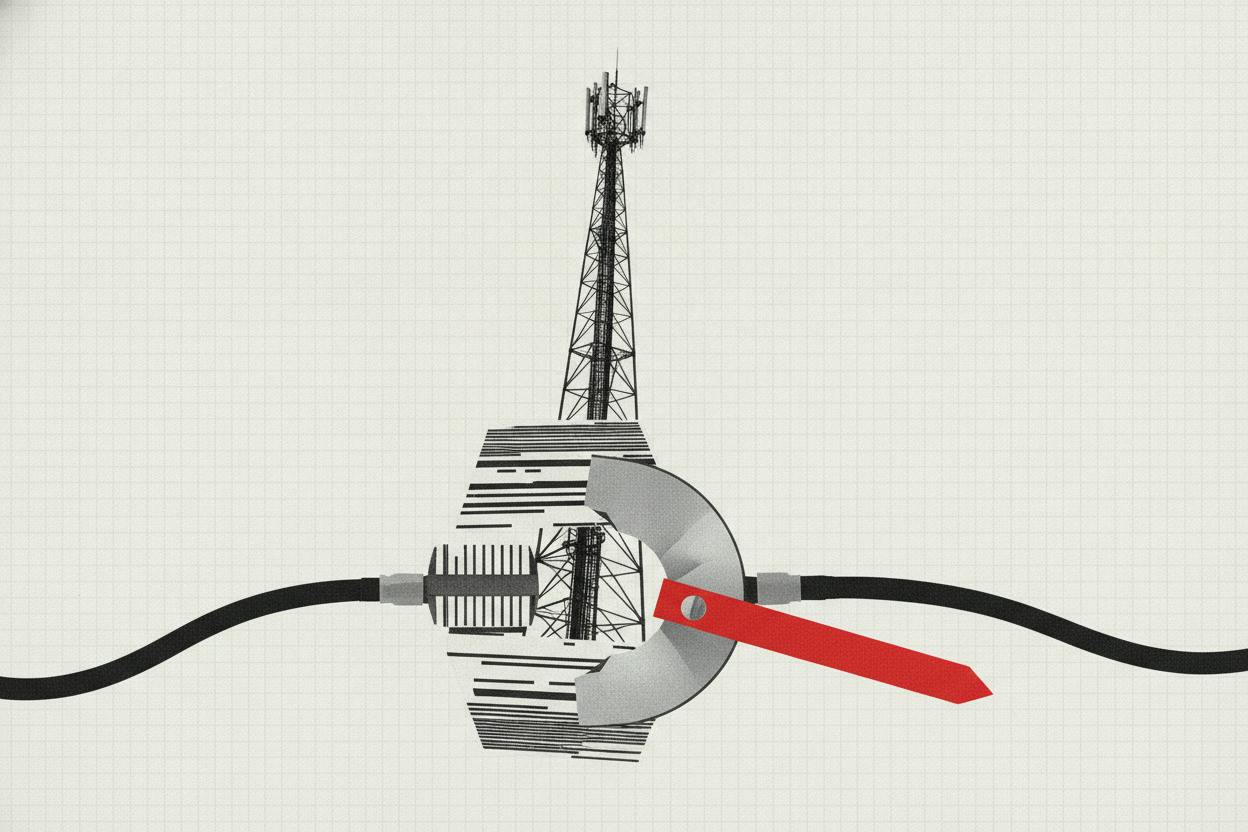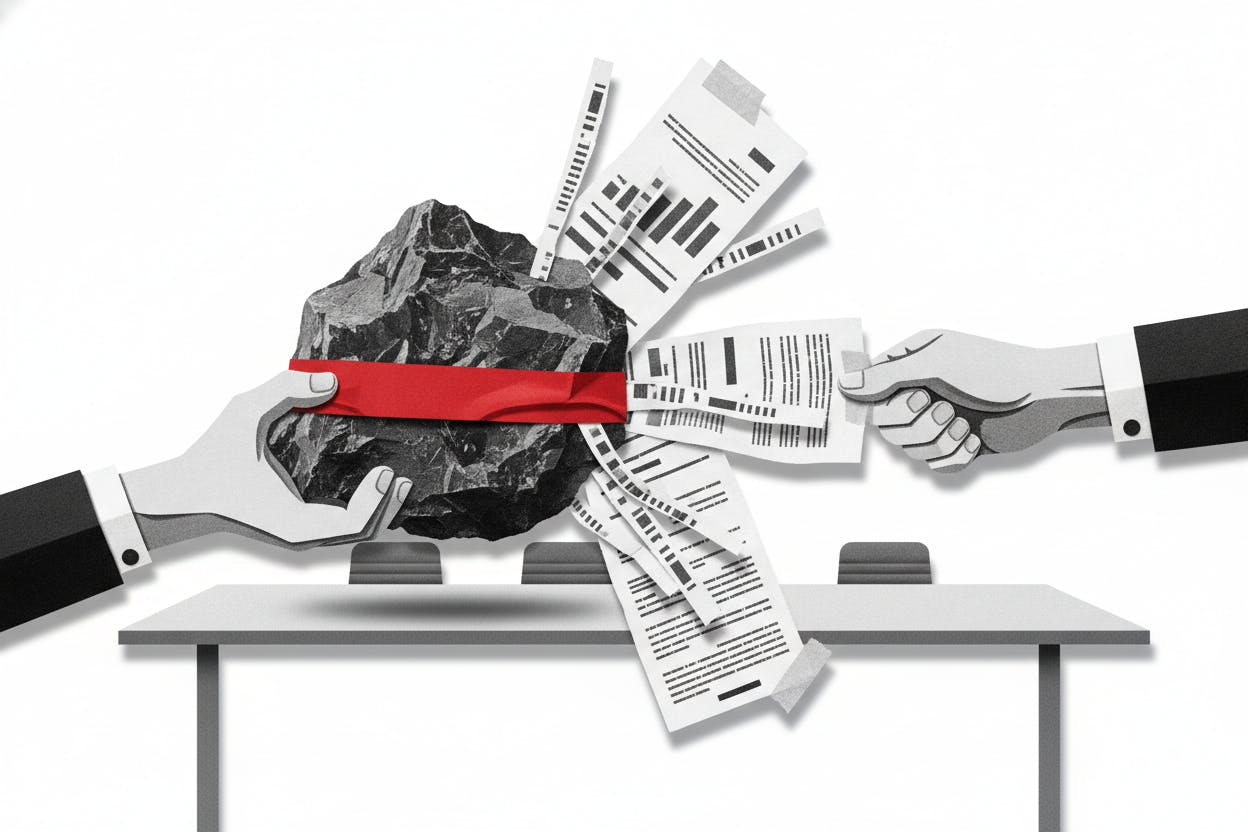
BHP, the world's largest listed miner, is losing its top commercial negotiator at a critical moment. Chief commercial officer Rag Udd will leave the company at the end of January to take a role outside the firm, according to a staff memo seen by Reuters. His departure removes a veteran hand from the table just as BHP gears up for annual iron ore price talks with China, its biggest customer.
Who is Rag Udd and why does his exit matter?
Udd has spent nearly three decades at BHP, most recently overseeing the company's commercial strategy from Singapore. His job was widely considered one of the toughest in the mining industry because it put him directly across from China Mineral Resources Group (CMRG), a state-backed buyer created to secure better terms for Chinese steelmakers.
CMRG was established to centralize China's iron ore purchasing and increase its bargaining power against the big global miners, which include BHP, Rio Tinto, and Vale. In annual negotiations, CMRG has pushed for lower prices and more flexible contracts, squeezing the margins of miners that have long enjoyed pricing power.
Udd's exit leaves BHP searching for a new lead on these negotiations at a time when the iron ore market is already under pressure. Chinese steel demand has softened as the country's property sector struggles, and new housing rules have added to the headwinds. At the same time, global supply is expected to grow, which could further weigh on prices.
What does this mean for iron ore prices?
Iron ore is BHP's single most important product, and China buys the vast majority of the world's seaborne supply. When Chinese steelmakers push for lower prices, they are effectively trying to protect their own thin margins in a tough economic environment.
For BHP, losing a seasoned negotiator like Udd could make it harder to hold the line on pricing. But the bigger driver of iron ore prices is not who sits at the negotiating table—it is the balance of supply and demand. With Chinese factory activity showing mixed signals and export orders surging in some months, the outlook for steel demand remains uncertain.
Investors should watch for two things: who BHP appoints as Udd's successor, and how the next round of talks with CMRG unfolds. A new face could signal a shift in strategy, perhaps toward more flexible pricing or longer-term contracts.
What it means for investors
For everyday investors, this news is a reminder that leadership changes at major companies can carry real weight, especially when they touch on key revenue streams. BHP's share price could see some volatility as the market digests the uncertainty, but the company's fundamentals—its diversified portfolio, strong balance sheet, and global scale—remain intact.
That said, iron ore prices are likely to stay in focus. If China's steel demand continues to weaken, prices could fall further, hitting BHP and its peers. On the other hand, any stimulus from Beijing aimed at supporting the property sector could boost demand. Chinese stocks have been mixed as investors weigh these factors.
For those holding BHP shares or considering an investment, the key takeaway is to watch the iron ore market and the company's next moves. Leadership transitions are common, but in a commodity business, the person who negotiates with your biggest customer matters more than in most industries.
As BHP searches for a new chief commercial officer, it will need someone who understands both the technicalities of iron ore pricing and the nuances of dealing with a state-backed buyer like CMRG. The appointment will be closely watched by analysts and investors alike.
In the meantime, the broader picture for BHP remains tied to China's economic health. China's biggest banks are seeing some profit growth, a sign that the financial system is stabilizing, but the property market is still weak. Until that turns around, iron ore prices may stay under pressure.
For now, Udd's exit is a notable development, but not a reason to panic. It's a reminder that even the biggest companies face leadership gaps, and that the outcome of those gaps often depends on who fills them.