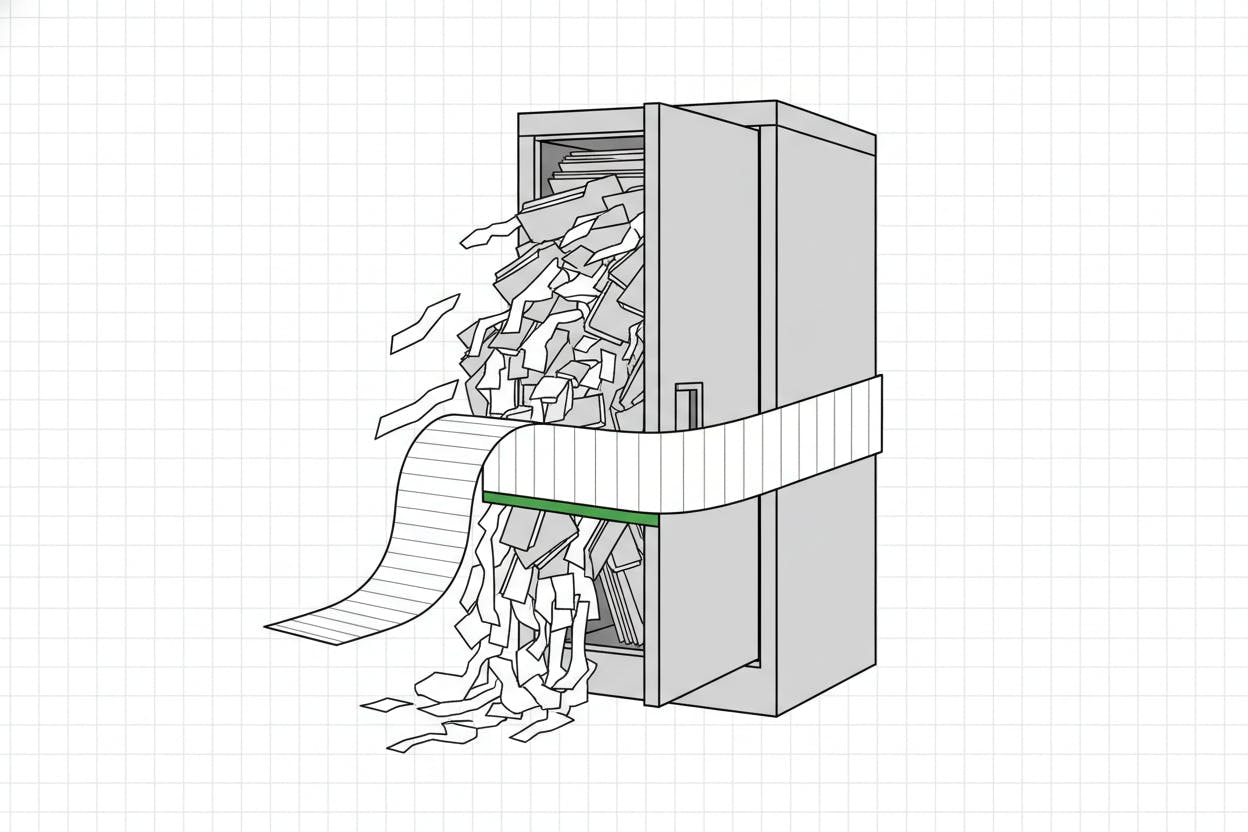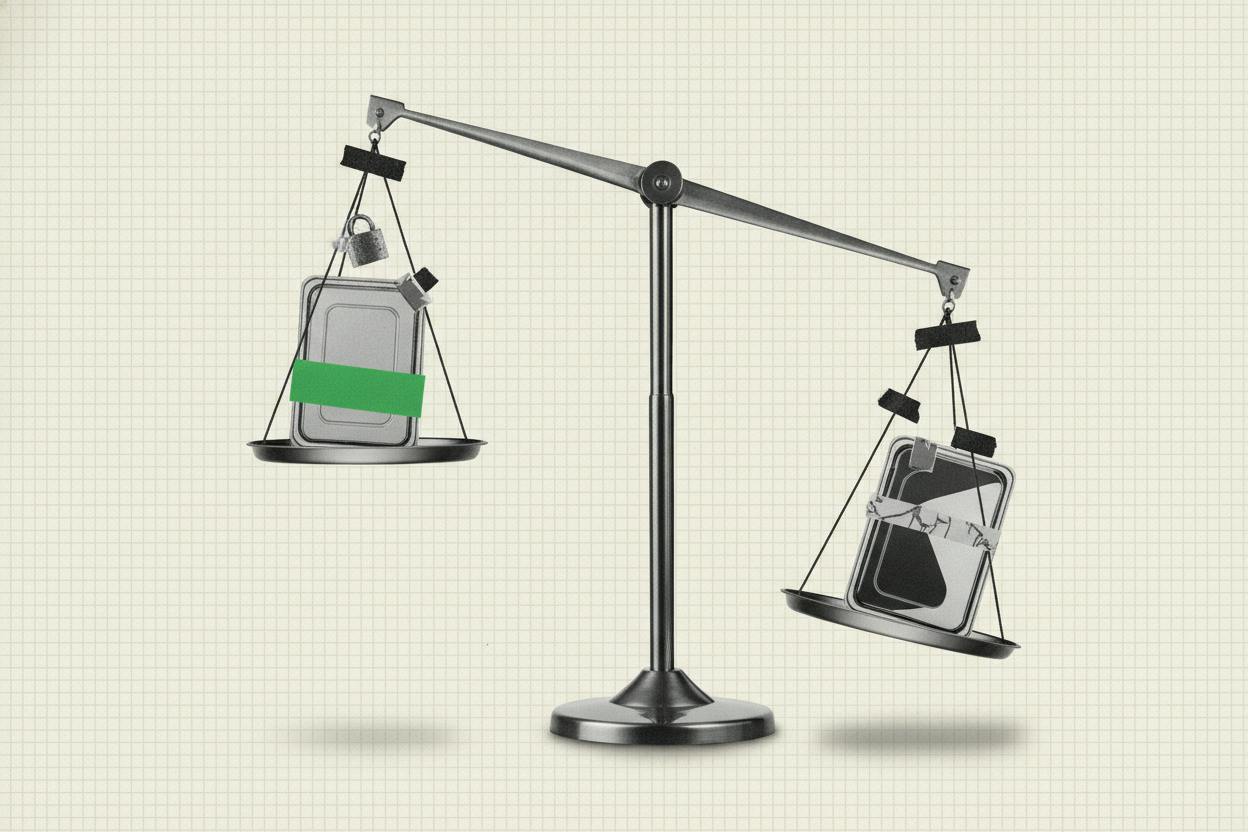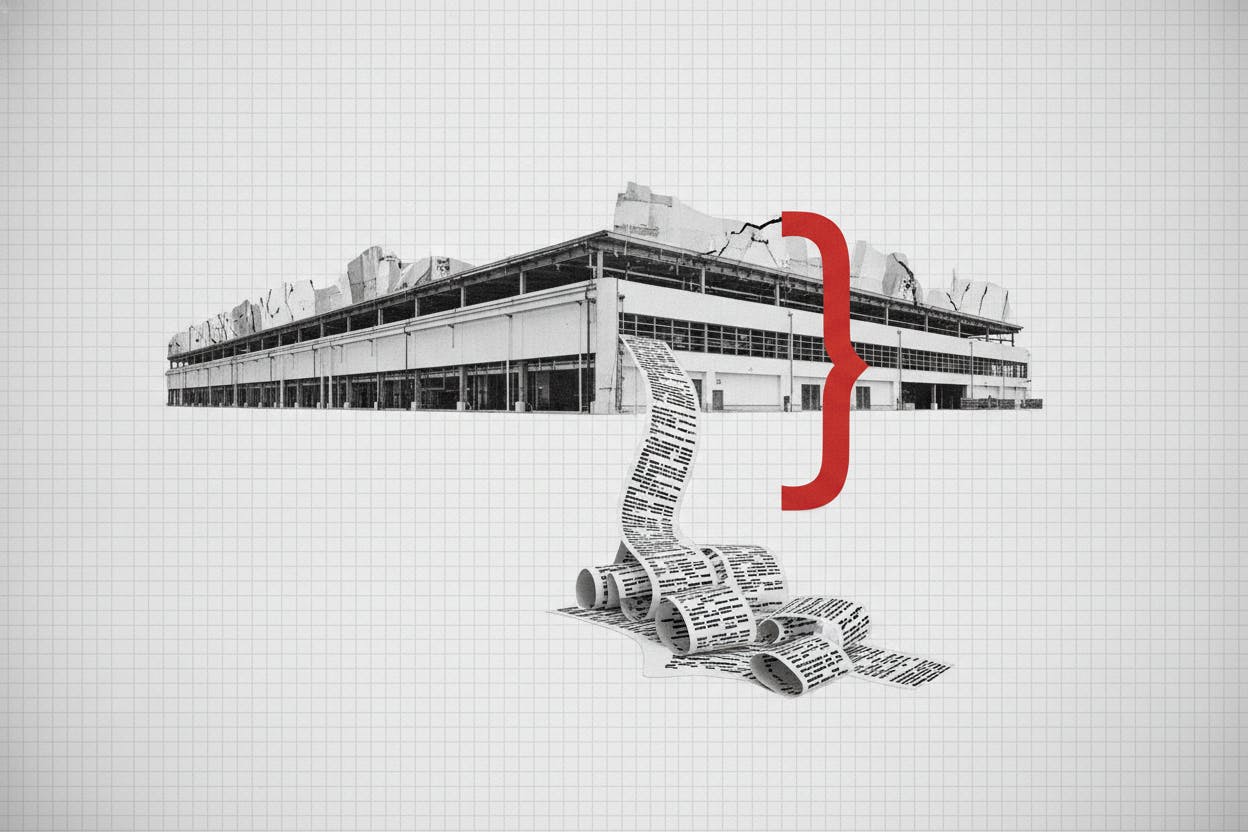
The race to build artificial intelligence infrastructure is coming with a hefty, and partly hidden, price tag. According to a Reuters report, five of the world's largest technology companies—Microsoft, Meta, Oracle, Amazon, and Alphabet—have collectively agreed to about $1.16 trillion in future data-center lease payments. These are long-term commitments to rent the massive facilities that power AI services, but they won't show up on the companies' balance sheets as lease liabilities until the data centers are actually ready for use.
This "off-balance-sheet" treatment is a standard accounting practice for leases that haven't started yet. Under current rules, a company only records a lease liability once it has the right to use the asset—in this case, when the data center is built and handed over. Until then, the future payments are typically disclosed in footnotes or not at all. That means investors looking at these companies' financial statements today may not see the full scale of their AI spending commitments.
Why the numbers are so large
The $1.16 trillion figure reflects the enormous scale of the AI buildout. Training and running large language models requires vast amounts of computing power, which in turn requires data centers filled with specialized chips, cooling systems, and energy infrastructure. Rather than building all these facilities themselves, tech giants often lease them from specialized providers like CoreWeave or from real estate investment trusts and other developers.
This approach lets the tech companies scale up quickly without tying up billions in upfront capital. But it also creates a long-term financial obligation that could strain cash flows if the AI boom cools or if the expected returns on AI investments don't materialize. For context, $1.16 trillion is more than the annual GDP of many countries, and it's a sum that would dwarf the entire market value of most companies.
The report highlights a broader trend: the AI infrastructure buildout is not just a story of chip makers like Nvidia or cloud providers. It's also a story of construction and infrastructure firms, power equipment makers, and infrastructure investors who are all benefiting from the surge in demand.
What it means for investors
For everyday investors, this news is a reminder that the AI boom has a long tail of costs that may not be immediately visible in earnings reports. When a company like Microsoft or Amazon reports strong cloud growth—as they did in recent quarters, helping revive investor appetite for AI stocks—it's easy to focus on the revenue side. But the lease commitments represent a future expense that will eventually hit the income statement as depreciation and interest costs.
Investors should also consider the risk of overcapacity. If AI demand grows more slowly than expected, these companies could be stuck paying for data centers they don't need. That's a risk that's harder to assess when the obligations are not fully on the balance sheet. Some analysts argue that the off-balance-sheet treatment makes it harder for investors to gauge the true leverage of these companies.
On the other hand, the sheer size of these commitments also signals confidence. Tech giants are betting that AI will generate enough revenue to justify the spending. For shareholders, the key question is whether that bet pays off. The answer will likely become clearer over the next few years as these leases come online and the costs start to appear in financial statements.
For now, the $1.16 trillion figure is a useful reminder that the AI revolution is not just about software and chips—it's also about real estate, construction, and long-term financial commitments. As the buildout continues, investors should keep an eye on both the opportunities and the obligations that come with it.