The artificial intelligence boom is finally showing up in Big Tech's revenue numbers, but the cost of building the infrastructure to support it is rising even faster. A new analysis from Reuters, based on London Stock Exchange Group (LSEG) consensus estimates, warns that five of the largest technology companies could soon be spending more on capital expenditures than they generate in free cash flow.
Microsoft, Alphabet, Amazon, Meta, and Oracle are at the center of this tension. Their AI-powered products—from cloud services to generative AI tools—are starting to lift sales, but the massive buildout of data centers, servers, and specialized chips is consuming an ever-larger share of their cash.
The Numbers Behind the Trade-Off
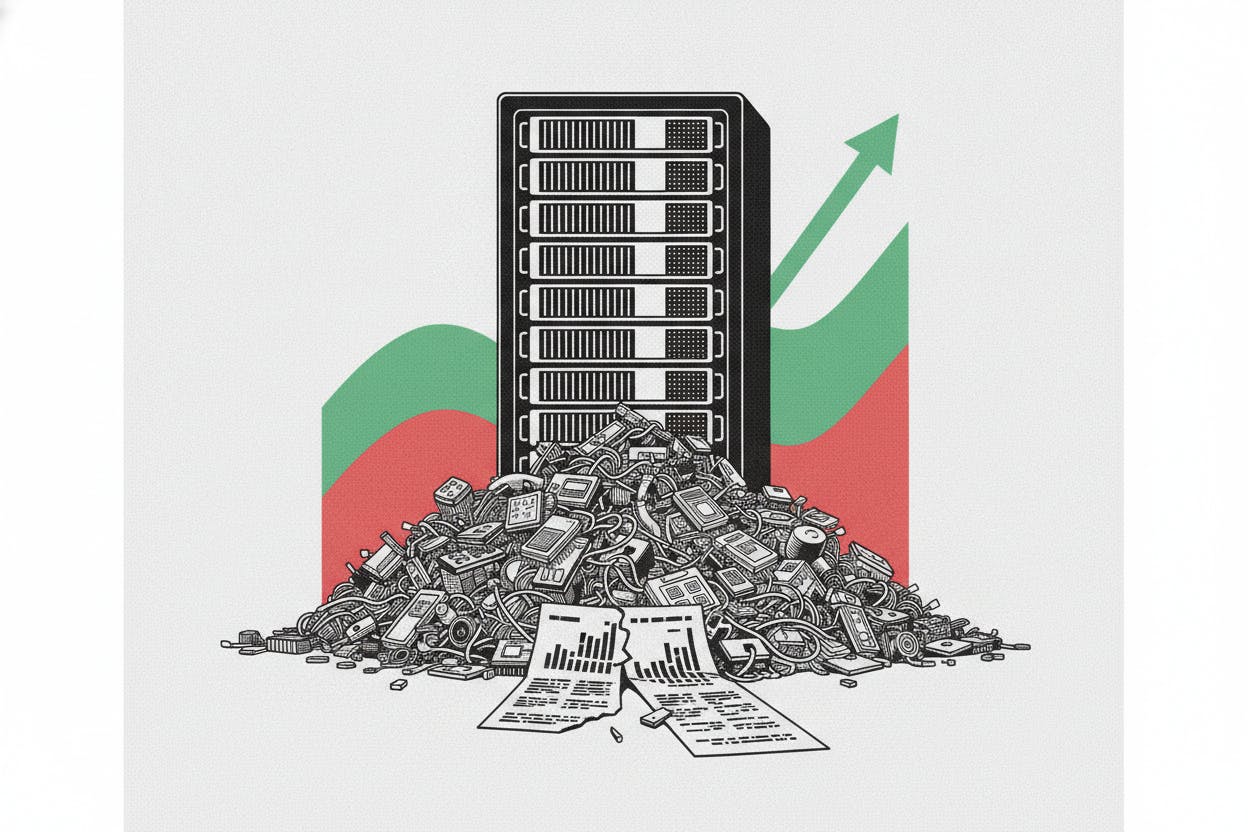
According to the Reuters analysis, from 2025 through 2027, the combined capital expenditures of these five companies are expected to rise by roughly $534 billion. Over the same period, their annual operating cash flow is projected to increase by about $340 billion. That means for every dollar of additional cash flow they generate, they are spending roughly $1.57 on new infrastructure.
Capital expenditures, or capex, refer to money spent on physical assets like buildings, equipment, and technology infrastructure. Free cash flow is the cash a company has left after paying for those investments—money that can be used for dividends, share buybacks, debt repayment, or acquisitions. When capex consistently exceeds free cash flow, it can signal that a company is investing aggressively, but it also raises questions about long-term financial flexibility.
The five firms are racing to build out AI computing capacity. Microsoft has been investing heavily in Azure data centers and has struck deals with AI startups like Mistral AI, as covered in our earlier report on Microsoft and Mistral AI's multibillion-dollar deal for sovereign AI in Europe. Alphabet is pouring capital into Google Cloud and AI research, while Amazon is expanding its AWS infrastructure. Meta is building out AI for its social platforms and advertising systems, and Oracle is growing its cloud business.
Why This Matters for Investors
For everyday investors, this trend raises an important question: Are these companies overinvesting in AI, or is the payoff still to come? The answer likely depends on how quickly AI revenue can scale to match the spending.
Big Tech has a history of heavy investment cycles that eventually pay off. Amazon, for example, spent billions building out its e-commerce and cloud infrastructure before those businesses became highly profitable. Similarly, the current AI buildout could be laying the groundwork for a new wave of growth. However, the scale of spending here is unprecedented, and the timeline for returns is uncertain.
Investors should watch for signs that AI revenue is accelerating. Recent earnings reports from Alphabet and Tesla, which kicked off a critical week for Big Tech's AI spending, showed that AI is starting to contribute to top-line growth. But as noted in our analysis of Alphabet's earnings and whether AI spending can justify 21% revenue growth, the market is still weighing the costs against the benefits.
The capex surge also has ripple effects across the tech supply chain. Companies like TSMC, which manufacture the chips used in AI data centers, have seen record profits but also faced investor concerns about capex levels, as we discussed in TSMC's record profit and the slide in Taiwan chip stocks on capex concerns.
What to Watch Next
Investors will be closely monitoring the upcoming earnings reports from these five companies for any updates on capex guidance and AI revenue growth. If spending continues to outpace cash flow, it could pressure stock valuations, especially if interest rates remain elevated. Higher rates make future cash flows less valuable and increase the cost of debt used to fund capex.
Another key factor is whether any of these companies will scale back their investment plans. So far, the message from management has been consistent: the AI opportunity is too large to ignore, and the spending is necessary to stay competitive. But if revenue growth disappoints, shareholders may start demanding more discipline.
For now, the story of Big Tech's AI bet is one of high stakes and high spending. The payoff is visible, but the bill is coming due faster than the revenue is arriving.