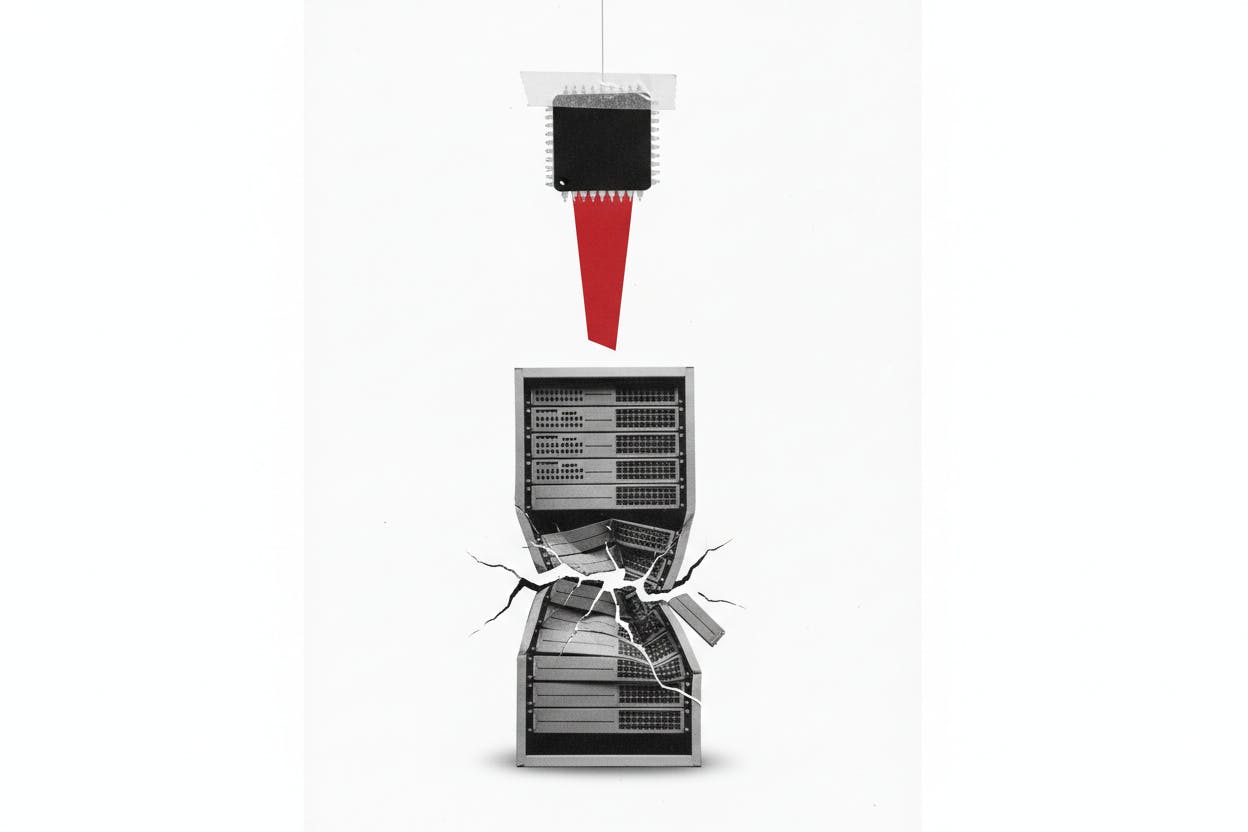
US chipmaker stocks soared 75% in the second quarter of 2026, fueled by a massive spending spree from the world's largest cloud computing companies. But the Bank for International Settlements (BIS), a global central bank watchdog, has thrown cold water on the rally, warning that the hyperscaler investment boom—approaching $1 trillion this year—could end in a bust if returns fail to materialize.
What's Driving the Rally?
The rally in chip stocks is directly tied to the artificial intelligence arms race. A handful of giant cloud providers, known as "hyperscalers"—think Amazon Web Services, Microsoft Azure, and Google Cloud—are pouring unprecedented amounts of money into chips, servers, and data center infrastructure to train and run increasingly large AI models. This flood of orders has tightened supply chains, boosted chipmakers' sales outlooks, and pushed expectations for US earnings growth in 2026 toward 25%.
The surge is not limited to the US. The AI chip rally has also driven emerging Asian markets to their best quarter since 2009, as seen in the AI Chip Rally Drives Emerging Asia to Best Quarter Since 2009. South Korea's KOSPI index surged 68% in its best quarter since 1998, led by AI chip giants, as reported in South Korea's KOSPI Surges 68% in Best Quarter Since 1998, Led by AI Chip Giants.
The BIS Warning: A Cautionary Tale
The BIS, often called the "central bank for central banks," issued its warning in its latest quarterly review. The organization noted that the hyperscaler spending race is approaching $1 trillion this year, a figure that dwarfs previous investment cycles. The BIS cautioned that if the expected returns from AI investments disappoint—for example, if AI adoption fails to generate the promised productivity gains or revenue growth—the massive capital outlay could lead to an investment bust, with ripple effects across financial markets.
This is not the first time the BIS has warned about asset bubbles or overinvestment. The organization has a history of flagging risks in financial markets, from the dot-com boom to the housing bubble that preceded the 2008 financial crisis. Its latest warning echoes concerns that the AI hype cycle may be outpacing the underlying economic reality.
What It Means for Investors
For everyday investors, the BIS warning is a reminder that even the most exciting technological trends can lead to market corrections. The 75% jump in chipmaker stocks in a single quarter is a dramatic move, and such rapid gains often invite scrutiny. While the AI boom is real—companies are indeed spending billions on infrastructure—the question is whether those investments will pay off in the long run.
Investors should consider the following:
- Valuations matter: When stocks rise this quickly, they can become expensive relative to earnings. A pullback is possible if growth expectations are not met.
- Diversification is key: The rally has been concentrated in a few chipmakers and hyperscalers. A broad portfolio can help cushion against a sector-specific downturn.
- Watch for earnings: The next few quarters will be critical. If AI-related revenue growth starts to slow, the market could reassess the spending spree.
The BIS warning does not mean the AI boom is over, but it does suggest that investors should be cautious. The same dynamic played out during the dot-com era, where massive investment in internet infrastructure eventually led to a bust when profits failed to materialize. However, the AI revolution may be different, with tangible applications already generating revenue. For instance, AI Revenue Hits $25B, Topping Depreciation Costs for Second Straight Quarter, showing that the technology is already paying for itself in some areas.
What to Watch Next
Investors will be closely watching earnings reports from major chipmakers and hyperscalers in the coming months. Any sign that AI spending is slowing or that returns are falling short could trigger a sell-off. Conversely, strong revenue growth from AI products could justify the current valuations and keep the rally going.
The BIS warning adds a note of caution to an otherwise euphoric market. For now, the AI chip-fueled boom continues, but the central bank watchdog has made it clear: the stakes are high, and the risks are real.