Bank of Montreal is quietly rebuilding its presence in US oil and gas investment banking, a business it largely abandoned during the pandemic. The Canadian lender has hired Ali Akbar, a veteran of Mizuho, to spearhead its focus on midstream and energy infrastructure companies, according to Reuters.
The move marks a deliberate return to a sector that BMO stepped back from outside Canada in late 2020, when COVID-19 lockdowns crushed fuel demand and US oil prices briefly traded below zero. Now, with energy markets stabilised and dealmaking picking up, the bank is positioning itself to capture a slice of the action.
What is BMO doing?
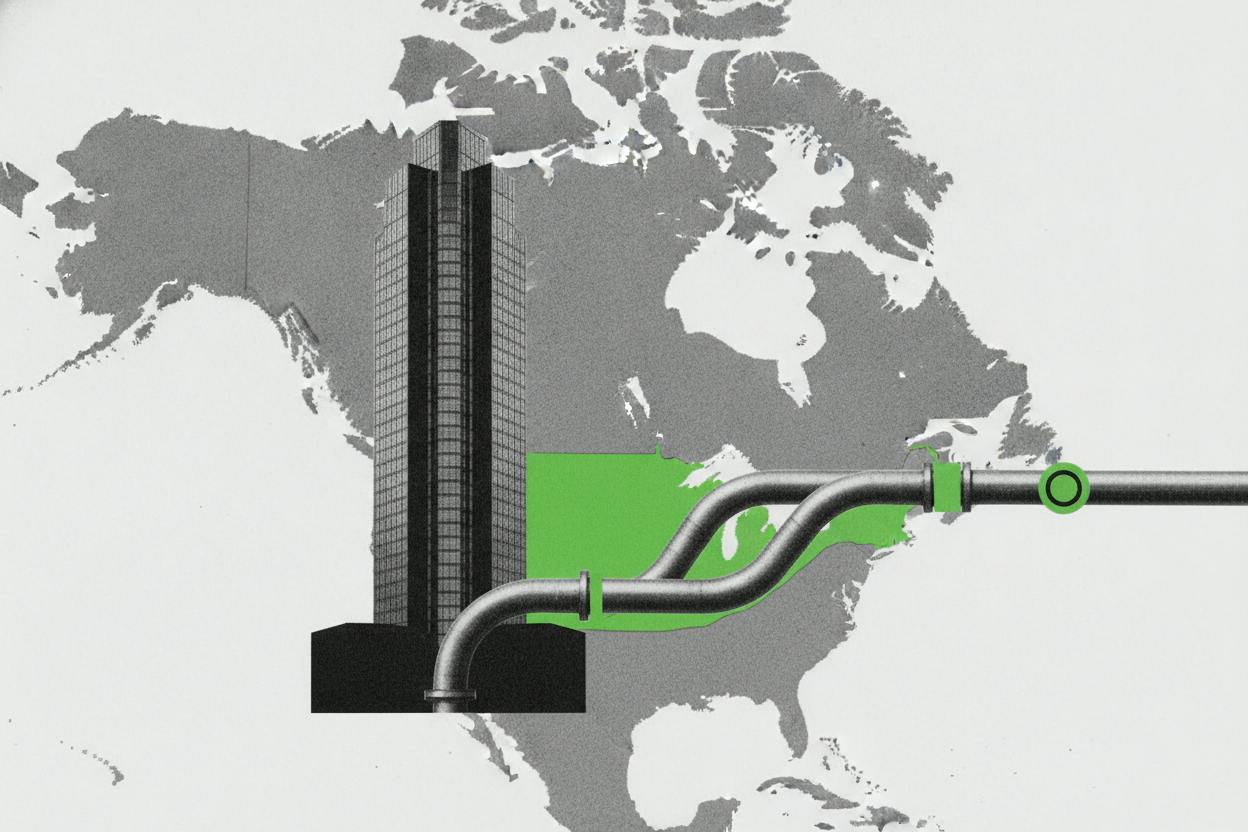
BMO Capital Markets, the bank's investment banking arm, is rebuilding its oil-and-gas team with an eye on midstream companies. These are the firms that move, store, and process oil and natural gas—think pipelines, storage terminals, and processing plants—rather than the drillers that extract the fuel from the ground.
Midstream businesses tend to rely on long-lived assets and long-term contracts, which makes their cash flows more predictable than those of exploration and production companies. That stability is attractive to investors and to banks looking for steady advisory and financing work.
Ali Akbar, who previously worked at Mizuho, is expected to lead this charge. His hiring signals that BMO is not just dipping a toe back in the water but is serious about building a durable franchise in US energy infrastructure.
Why the return now?
The timing is no accident. After a brutal 2020, oil and gas prices have recovered, and energy companies have become more disciplined about spending. Many are now focused on returning cash to shareholders rather than chasing growth at any cost. That shift has made the sector more attractive to lenders and investors alike.
Dealmaking in energy has also picked up, as companies look to consolidate, divest non-core assets, or invest in infrastructure that supports the energy transition. BMO's focus on midstream suggests it wants to be a go-to bank for these transactions, which often involve large, complex financings.
The broader backdrop is supportive. Mega-deals are returning across energy and banking, and Permian basin deals have stood out in recent months. BMO's move is a bet that this momentum will continue.
What it means for investors
For everyday investors, this is a signal about the health of the energy sector. When a major bank decides to rebuild a team in a particular industry, it often reflects a view that there will be sustained demand for financing and advisory services in that space.
Midstream companies, in particular, have become popular with income-focused investors because they often pay high dividends or distributions. Their cash flows are supported by fee-based contracts, which are less exposed to swings in commodity prices than upstream drilling.
However, investors should note that BMO's move is not a recommendation to buy any specific stock. It is a strategic business decision by the bank, and it comes with risks. Energy markets remain volatile, and regulatory and environmental pressures on fossil fuel infrastructure are unlikely to disappear.
Still, the hire is a vote of confidence in the long-term viability of midstream and energy infrastructure. For those watching the sector, it is worth keeping an eye on whether BMO's rebuilt team starts landing major mandates.
Context: BMO's pandemic retreat
In late 2020, BMO made headlines by scaling back its global energy investment banking operations, focusing primarily on Canada. The pandemic had caused an unprecedented collapse in oil demand, and the bank decided to cut its losses in a sector that looked uncertain.
That retreat was part of a broader trend, as many banks reassessed their exposure to fossil fuels amid the energy transition. But now, with oil prices stabilised and the world still heavily reliant on hydrocarbons, some lenders are finding the sector too lucrative to ignore.
BMO's return is also notable because it comes as Canada's banking watchdog pushes smaller lenders to take on more risk, and as Canadian consumers show signs of strain. The bank's move into US energy is a growth play, but it also adds risk to its balance sheet.
What to watch next
Investors will be watching whether BMO can convert this hiring into actual deal mandates. The bank will be competing with established players like Goldman Sachs, JPMorgan, and its Canadian rival RBC, which have maintained strong energy franchises.
Also worth watching is the broader M&A environment. Dealmaking is heating up across sectors, and energy is no exception. If oil prices remain supportive and companies continue to seek scale, BMO's timing could prove astute.
For now, the hire of Ali Akbar is a clear statement of intent. BMO is back in the US energy game, and it is betting on the steady, infrastructure-heavy side of the business. Whether that bet pays off will depend on the deals it can win and the market's appetite for energy investments in the years ahead.