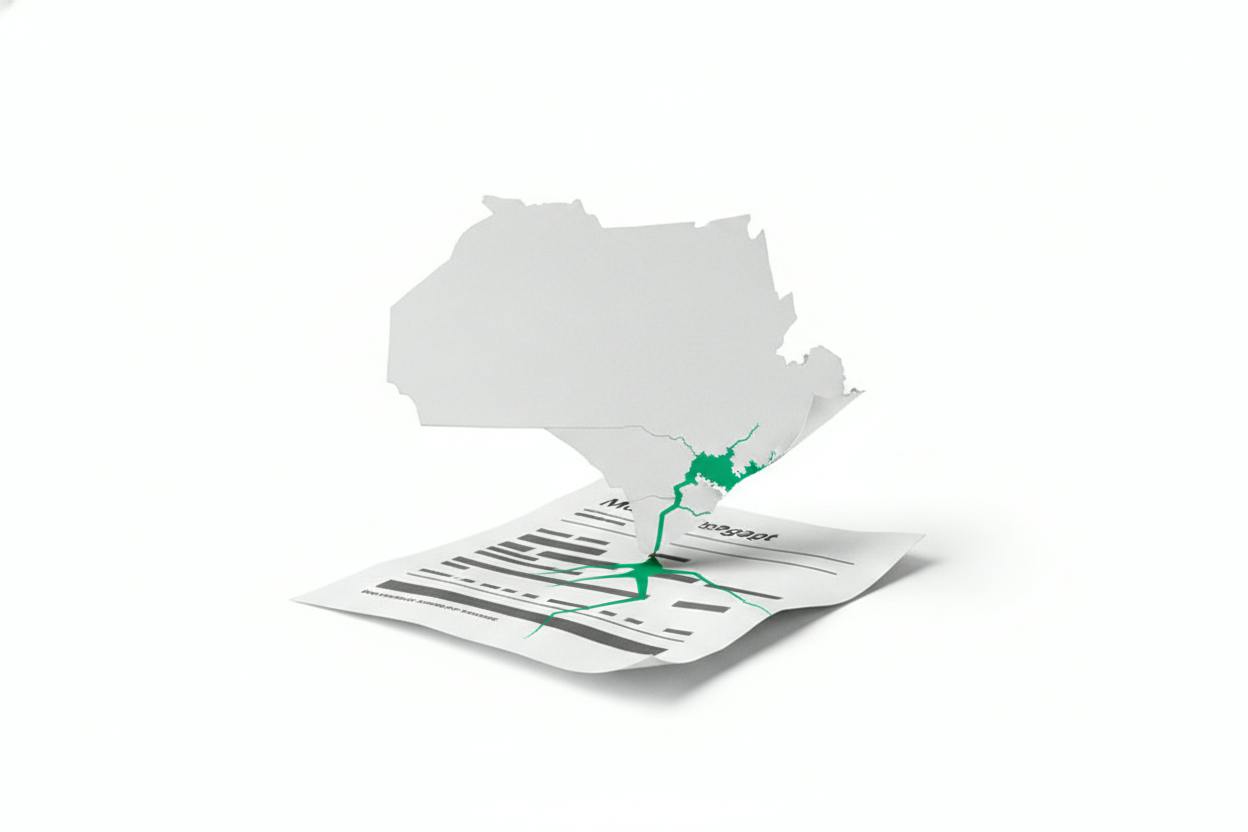
Ontario households are showing more signs of mortgage stress, according to a new report from TD Economics. The bank's research arm said mortgage arrears in the province reached 0.34% in August, up sharply from the 0.12% level seen before the pandemic and approaching the 0.43% peak recorded around the 2008-09 Global Financial Crisis.
While the current rate remains below that crisis-era high, the trend is what economists are watching. More borrowers falling behind on payments can signal broader financial strain, and it often prompts lenders to tighten their lending standards.
What's driving the pressure?
TD Economics attributes the rise to a combination of higher borrowing costs and stubborn living expenses. Many households, particularly in parts of Southern Ontario, are reporting difficulty covering basic costs as the job market cools. The Bank of Canada's aggressive interest rate hikes over the past two years have pushed mortgage payments sharply higher, especially for those renewing at much higher rates than they had before.
The report also notes that households are still spending, but a growing number are falling behind on their debts. That mix—continued consumption alongside rising arrears—suggests many families are dipping into savings or relying on credit to maintain their lifestyles, a trend that can become unsustainable if income growth doesn't keep pace.
What TD expects next
Looking ahead, TD now expects annual mortgage payments and other housing-debt costs in 2027 to be about CA$140 higher per Ontario household than it previously forecast. That revision reflects the expectation that interest rates will stay higher for longer than earlier anticipated.
However, the bank also believes arrears could stabilize by mid-2027 if economic growth and hiring improve. A stronger job market would give households more income to service their debts, potentially preventing the arrears rate from climbing much further.
What it means for investors
For everyday investors, the arrears trend matters for a few reasons. First, it's a signal about the health of the Canadian banking sector. When mortgage arrears rise, banks typically set aside more money to cover potential losses, which can eat into profits. That's why investors watch delinquency rates closely—they're an early indicator of credit quality.
Second, the trend can influence how banks behave toward borrowers. When lenders see more missed payments, they often tighten approval standards and build a bigger cushion into the rates they offer, especially for refinancing or switching lenders. That means your renewal math could hinge less on the advertised rate and more on whether your current income and expenses still fit a lender's stress test.
For context, Canadian banks have generally weathered past downturns well, and the current arrears rate is still historically low. But the direction is worth noting. As stress tests in other countries have shown, even healthy banking systems can face challenges when economic conditions shift.
Broader economic backdrop
The TD report comes at a time when the Canadian economy is showing mixed signals. Inflation has cooled from its peak, but the cost of living remains high, and the job market is showing signs of softening. The Bank of Canada has held its key interest rate steady recently, but the path forward depends on incoming data.
If the economy weakens further, the central bank may be forced to cut rates sooner than expected, which could ease pressure on mortgage holders. Conversely, if inflation proves sticky, rates could stay elevated, prolonging the strain on households.
For investors, the key takeaway is that mortgage stress is a lagging indicator. It reflects the cumulative effect of higher rates and inflation, and it can take time to show up in bank earnings. But when it does, it can affect everything from bank stock prices to the broader credit market.
What to watch next
Investors will be watching several data points in the coming months: employment figures, inflation reports, and any signals from the Bank of Canada about future rate moves. Also worth tracking is whether arrears continue to climb in other provinces, which could indicate a broader trend.
For now, TD's forecast of stabilization by mid-2027 offers a cautiously optimistic outlook. But as the report makes clear, that depends on the job market holding up. If hiring weakens further, the arrears rate could keep rising, and the pressure on households—and lenders—would intensify.
In the meantime, homeowners approaching renewal should be prepared for higher payments and stricter scrutiny from lenders. Shopping around and stress-testing your own budget against higher rates can help you avoid surprises.