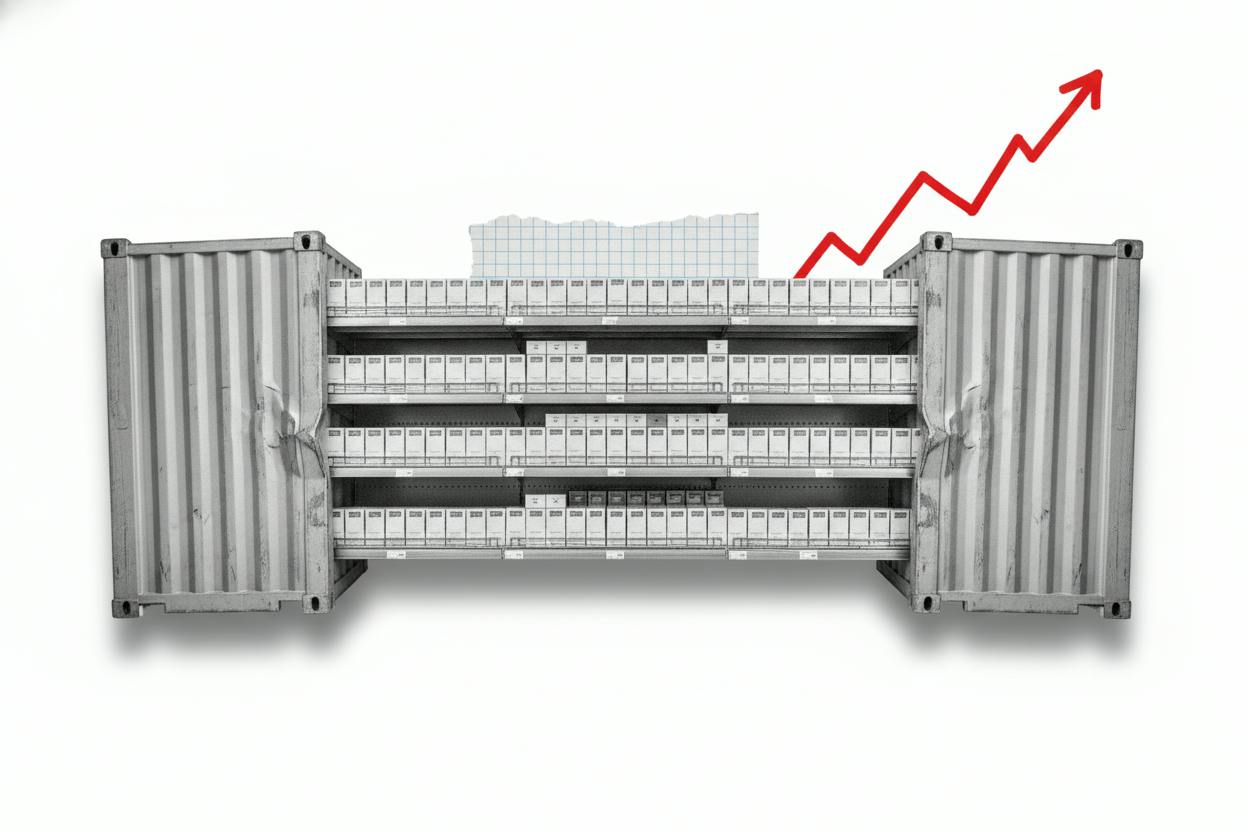
Bank of America Securities, the investment banking arm of Bank of America, is striking a cautiously optimistic tone on US consumer staples companies as they head into earnings season. In a note released Friday, the firm said consumption trends look “less negative” than they did a quarter ago, pointing to improved food and beverage store sales in August and a slowdown in the pace of downward earnings estimate revisions. But the bank also flagged a persistent headwind: rising costs for fertilizer, energy, and freight that could complicate what companies say about their 2027 outlooks.
What’s behind the “less negative” view?
Consumer staples—the everyday products like food, beverages, household goods, and personal care items that people buy regardless of the economy—have been under pressure as inflation-weary shoppers trade down to cheaper brands or delay purchases. That has weighed on volumes and forced companies to lean on price increases to protect margins. But BofA’s latest read suggests the worst may be passing. The bank noted that food and beverage store sales improved in August, a sign that demand is stabilizing. It also said the pace of downward estimate revisions—where analysts cut their profit forecasts for these companies—is easing, which often signals that the market expects earnings to bottom out soon.
This is a meaningful shift. For much of the past year, staples companies have been caught in a squeeze: input costs were high, and consumers were pushing back on price hikes. If demand is steadying, companies may have more room to maintain pricing power without losing customers. That could support margins and, ultimately, earnings.
The cost cloud: fertilizer, energy, and freight
While the demand picture is improving, the cost side remains a concern. BofA highlighted that fertilizer and energy prices have climbed since the United States-Iran conflict escalated, which raises input costs for food producers and agricultural companies. Fertilizer is a key input for crop yields, so higher prices can ripple through the entire food supply chain. Energy costs affect everything from manufacturing to transportation, and freight costs—including trucking and driver expenses—are another variable that can eat into margins.
The bank is particularly focused on how these costs will shape 2027 guidance. Companies often provide multi-year outlooks during earnings calls, and if they signal that cost pressures will persist, it could weigh on investor sentiment. The note suggests that while the near-term demand picture is improving, the longer-term profit outlook may be clouded by these input cost headwinds.
This isn’t an isolated issue. Other sectors are feeling similar pain. For example, Delta cut its 2026 profit forecast as jet fuel costs surged, and Ryanair’s CEO warned that jet fuel costs may stay 50% above pre-war levels. Energy price spikes tend to have broad ripple effects across industries, and staples are no exception.
What it means for investors
For everyday investors, this note offers a mixed signal. On one hand, the stabilization in demand could be a positive for companies in the consumer staples sector, which includes household names like Procter & Gamble, Coca-Cola, and General Mills. These are often considered defensive stocks—they tend to hold up better during economic downturns because people still need to buy food and toiletries. If demand is steadying, that defensive appeal could remain intact.
On the other hand, the cost pressures could limit how much of that demand improvement translates into profit growth. If fertilizer, energy, and freight costs stay elevated, companies may have to either absorb the hit to margins or pass it on to consumers, which could reignite demand weakness. Investors should watch how companies address these costs in their earnings calls and forward guidance.
BofA’s note also highlights a broader theme: the tension between improving demand and persistent cost inflation. This is a dynamic playing out across many industries, from Chevron’s efforts to cut costs in its Bakken operations to Thailand’s consumer confidence slipping as Bangkok floods add to costs. Cost pressures are a global issue, and how companies manage them will be a key driver of earnings in the coming quarters.
For now, the takeaway is that the consumer staples sector may be finding its footing, but the path to stronger profits is not without obstacles. Investors should keep an eye on input costs, especially energy and agricultural inputs, as they can quickly change the earnings picture. As always, diversification and a long-term perspective remain important, especially in a sector that is often seen as a safe haven but can still face margin pressures.