Chevron is overhauling the midstream agreements that handle its oil production in North Dakota's Bakken shale region, a move that analysts say could trim costs for years and boost reported earnings down the line.
In a note to clients, UBS said the revised contracts lower the tariffs—essentially tolls charged per barrel for using pipelines and processing plants—through 2033. The new terms also extend the overall commercial arrangement through 2045, giving Chevron more certainty about its costs even if drilling activity slows.
The bank also expects Chevron to "deconsolidate" Hess Midstream, meaning Chevron would stop including that business's full financials in its own statements. That accounting change, UBS said, could lift net income starting in 2027.
What is midstream, and why does it matter?
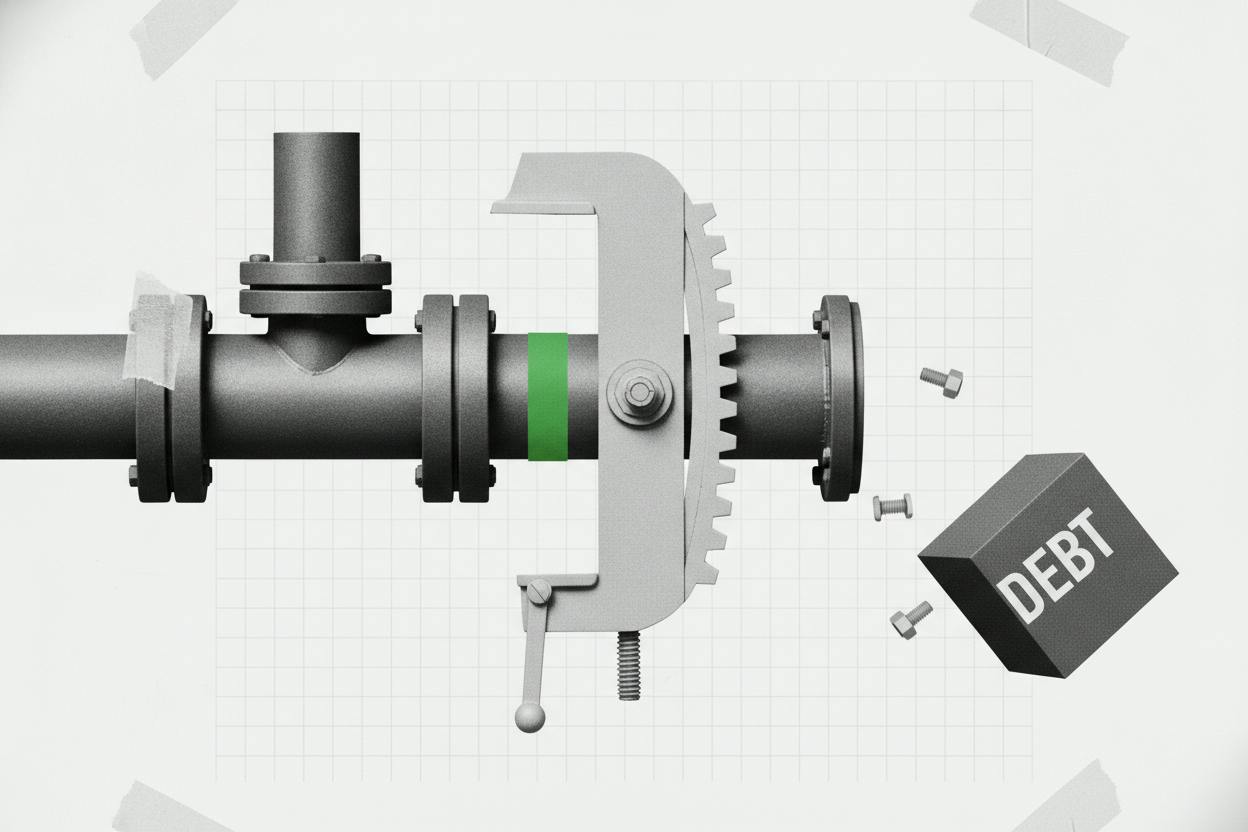
In the oil and gas world, the "midstream" is the plumbing between the wellhead and the buyer. It includes the pipelines that carry crude oil, the processing plants that strip out impurities, and the storage tanks that hold product before it ships to refineries or export terminals.
Producers like Chevron typically sign long-term contracts with midstream companies to guarantee access to that infrastructure. In exchange, they pay tariffs—fees based on the volume of oil or gas moving through the system. Those fees are a major operating cost for any producer, so even small reductions can add up across millions of barrels.
By renegotiating its Bakken midstream deals, Chevron is effectively locking in lower per-barrel costs for the next decade. That's especially valuable in a region where production growth has slowed and operators are more focused on squeezing efficiency out of existing wells than on drilling new ones.
The Hess Midstream connection
Chevron's relationship with Hess Midstream dates back to its acquisition of Hess Corporation in 2023, a deal that brought Chevron a large stake in the Bakken and in Hess Midstream itself. Hess Midstream operates a network of pipelines and processing facilities that serve the Bakken, and Chevron is now a major customer.
Currently, Chevron consolidates Hess Midstream's results into its own financial statements because of its ownership stake and control. That means the midstream company's revenue and expenses appear on Chevron's books, even though outside investors also own part of Hess Midstream.
Deconsolidation would change that. If Chevron stops consolidating, it would likely account for its stake differently—perhaps as an equity-method investment, where only its share of the midstream company's profits flows through to Chevron's bottom line. UBS says that shift could improve Chevron's reported net income starting in 2027, though the exact mechanics depend on how the deal is structured.
What it means for investors
For everyday investors, the key takeaway is that Chevron is working to make its Bakken operations more cost-efficient. Lower tariffs mean lower operating expenses per barrel, which can support profit margins even if oil prices stay flat or drift lower.
The deconsolidation is more of an accounting move than a change in the physical business. But it can still matter to investors because it alters how Chevron's earnings look on paper. A cleaner income statement, with less noise from a partially owned subsidiary, could make Chevron's core oil-and-gas performance easier to read.
It's worth noting that UBS's projection of higher net income from 2027 is an analyst forecast, not a guarantee. Actual results will depend on oil prices, production volumes, and how the new contracts play out in practice.
Chevron's move is part of a broader trend among large oil producers to renegotiate midstream deals as shale growth matures. With drilling activity plateauing in many basins, companies are focusing on cost control rather than rapid expansion. That shift has implications for midstream companies too, which may face pressure to offer more favorable terms to keep their biggest customers happy.
For investors holding Chevron stock, the news is a modest positive—it suggests management is actively managing costs and looking for ways to improve returns. For those watching the energy sector more broadly, it's a reminder that the shale boom has entered a new phase where efficiency, not growth, is the priority.
As always, no single contract renegotiation guarantees a stock's performance. But understanding how these behind-the-scenes deals work can help investors make sense of why an oil giant's earnings might improve even when the price of crude isn't moving much.