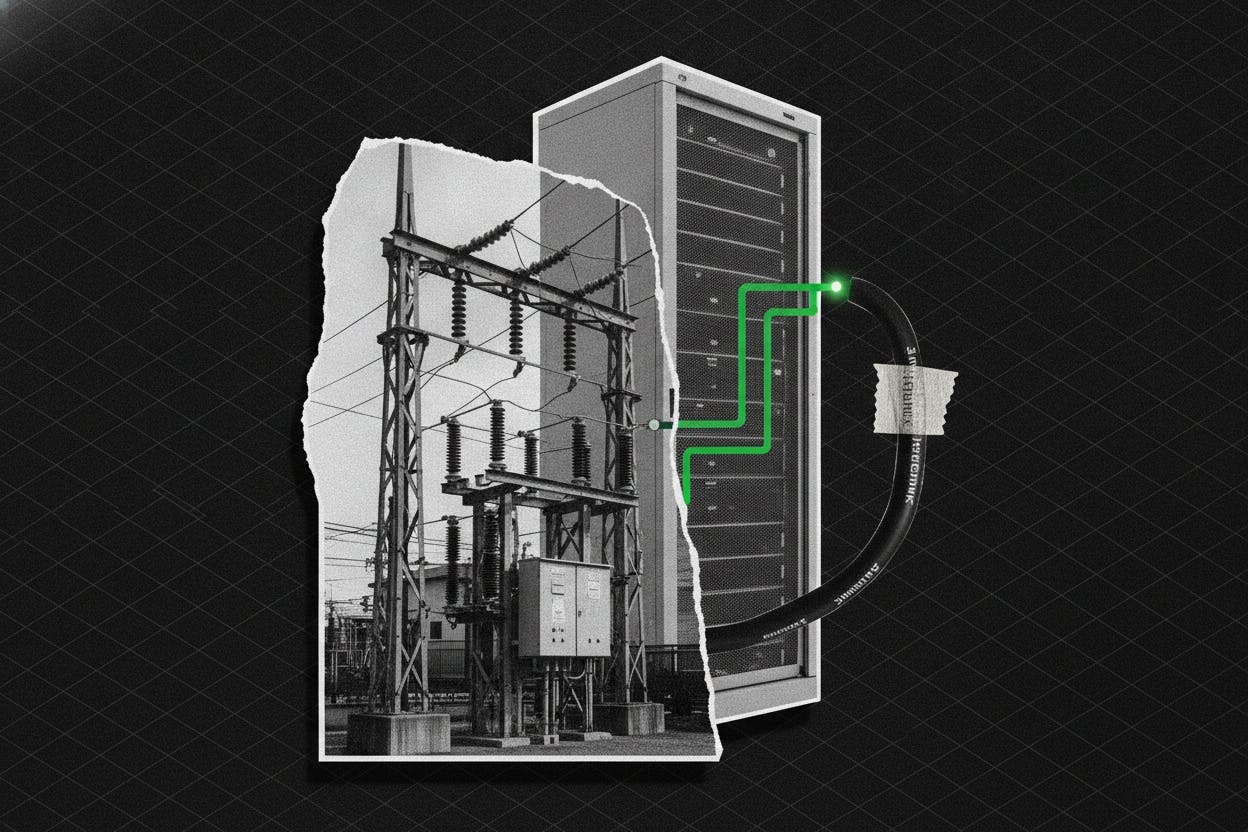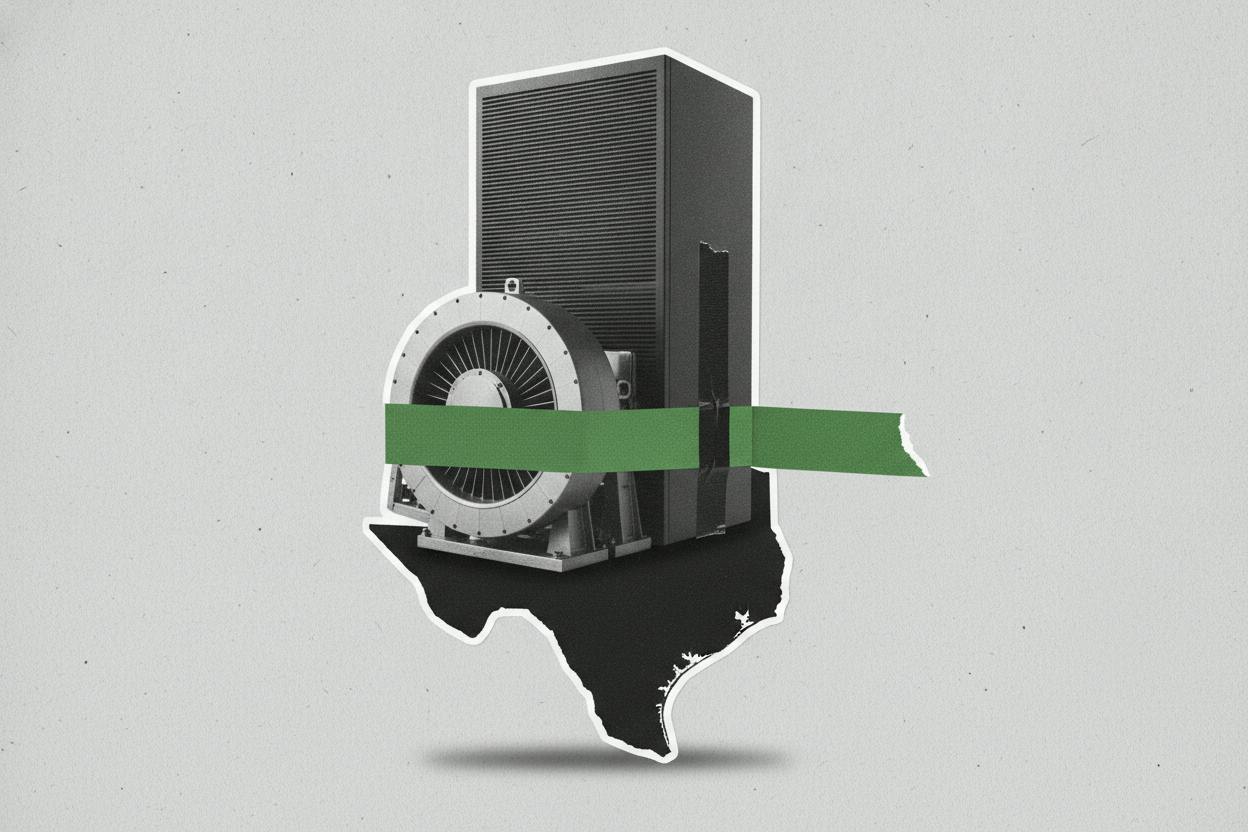
BKV, a natural gas producer and power developer, saw its shares climb nearly 7% after announcing that a subsidiary has secured a supply agreement for 1,200 megawatts of gas-fired generation equipment for a proposed Texas power plant. The deal includes a notable financial backstop: an undisclosed hyperscaler—a major cloud-computing company—will reimburse some equipment and early project costs and cover about 90% of payments due under the supply contract through March 31st, 2027.
For everyday investors, this news is less about the turbines themselves and more about how the project is being financed. In large infrastructure projects, developers often have to commit significant cash or provide credit support years before the plant generates any revenue. By having the hyperscaler shoulder most of the near-term payments, BKV reduces its upfront financial exposure, making the project more attractive to lenders and potential partners.
What's behind the hyperscaler backstop?
Hyperscalers are the giants of the cloud-computing world—companies like Amazon, Microsoft, and Google (though BKV hasn't named the specific firm). These companies operate massive data centers that consume enormous amounts of electricity, especially as they expand into artificial intelligence and other compute-heavy services. Securing reliable, long-term power supply has become a strategic priority for them, and they are increasingly signing deals directly with power developers to ensure they have enough capacity.
In this case, the hyperscaler is essentially acting as a financial backstop for BKV's project. By agreeing to cover 90% of the supply contract payments through early 2027, the hyperscaler is signaling serious interest in the project's output. This arrangement is a form of risk-sharing: BKV doesn't have to tie up as much of its own cash, and the hyperscaler gets a potential claim on the power once the plant is built.
However, the deal comes with a hard deadline. BKV said it may terminate the supply contract if it can't finalize an offtake agreement—a long-term power purchase deal—with the hyperscaler by March 31st, 2027. That means the project's future hinges on converting this preliminary support into a binding commitment.
Why this matters for investors
For BKV shareholders, the backstop is a positive signal because it lowers the early-stage funding risk. If a hyperscaler is willing to cover most pre-construction payments, lenders and potential partners can treat the project as closer to "finance-ready." BKV may not need to post as much cash up front, which could improve its balance sheet and reduce the dilution risk from raising capital.
But the arrangement also makes the equity story more binary. With BKV able to walk away if there's no long-term power-buyer contract by March 31st, 2027, future stock moves are likely to hinge on whether that customer relationship turns into a bankable offtake deal, not on incremental equipment updates. Investors should watch for any announcements about the hyperscaler's identity or the signing of a definitive power purchase agreement.
This type of deal is part of a broader trend where tech giants are directly investing in or underwriting power generation to meet their data center needs. For example, Alphabet recently signed a major nuclear power deal with Constellation, and Elon Musk has floated building an AI chip fab in Texas with Tesla and SpaceX. These moves highlight how the AI boom is reshaping energy markets, with hyperscalers becoming key players in project finance.
What to watch next
The key date for BKV investors is March 31st, 2027. If the company and the hyperscaler finalize an offtake agreement by then, the project can move forward with a clear revenue stream. If not, BKV can walk away, which would limit its downside but also mean the project never gets built.
In the meantime, the stock's reaction suggests the market views this as a positive development, but the real test will come with the offtake agreement. For now, BKV's Texas power plan has a strong backstop, but the path to a completed project still has hurdles.
For investors, this story underscores the growing intersection of tech and energy. As data center demand surges, power developers with hyperscaler backing may be better positioned to finance large projects. But the reliance on a single customer also introduces concentration risk. As always, it's important to consider how such deals fit into a diversified portfolio.