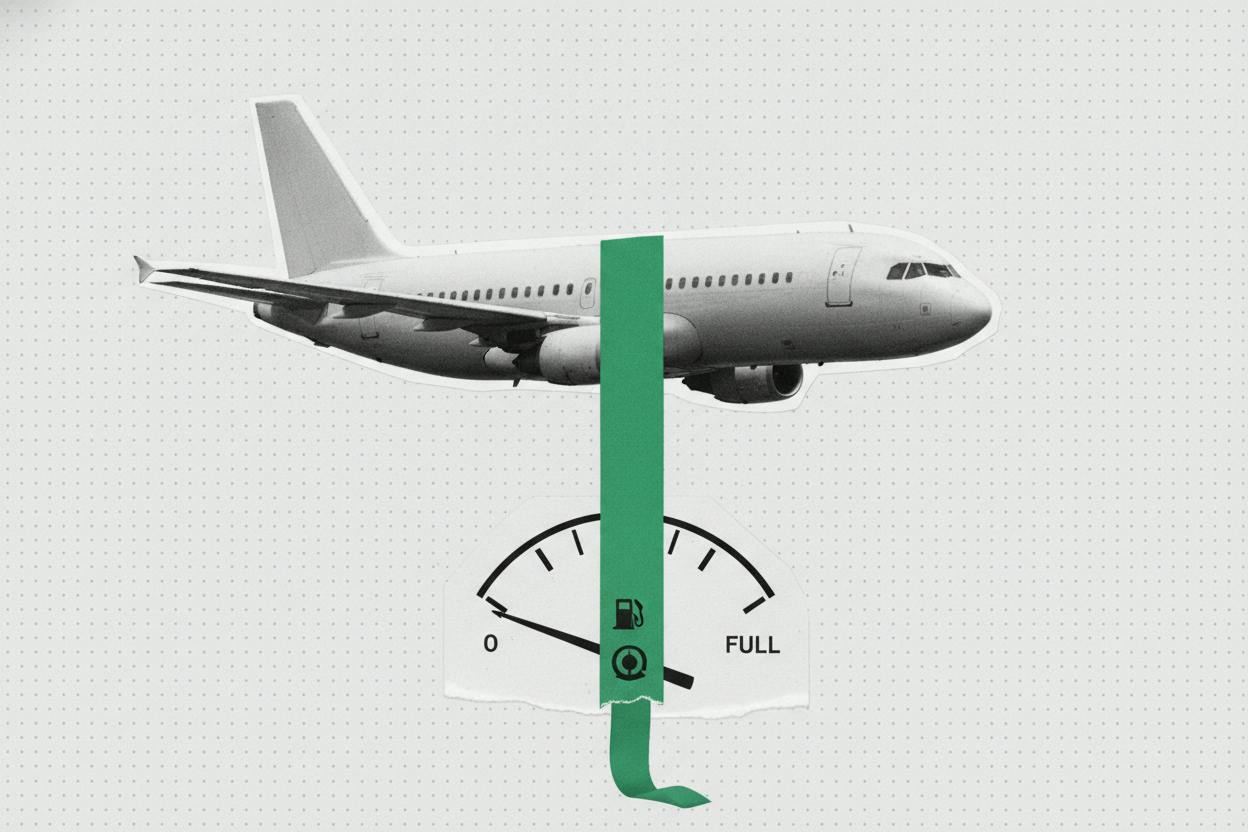
Europe's biggest airlines are signaling that the era of cheap flights may not return anytime soon. At a press conference held by Airlines for Europe, Ryanair CEO Michael O'Leary said jet fuel is currently running about 50% above pre-war levels and could remain at that elevated level for the next 12 to 18 months.
Fuel is one of the largest and most volatile costs for any airline. When jet fuel prices climb, carriers face a choice: absorb the hit to their profit margins or pass the cost along to passengers in the form of higher fares. Given the scale of the increase O'Leary describes, most airlines are likely to keep ticket prices elevated.
Why fuel costs matter so much
For airlines, fuel typically accounts for a quarter to a third of total operating expenses. Unlike labor or aircraft leasing costs, which are relatively predictable, fuel prices can swing sharply based on global events. The conflict in Ukraine, which began in early 2022, disrupted energy markets and sent crude oil and refined products like jet fuel soaring. While prices have come down from their initial peaks, they remain well above the levels seen before the invasion.
O'Leary's comments suggest that the current pricing environment is not a temporary blip. If jet fuel stays roughly 50% above pre-war levels for another year or more, airlines will have to factor that into their budgeting and pricing strategies.
Many carriers use financial tools called "fuel hedges" to manage this volatility. A fuel hedge is essentially a contract that locks in a price for a portion of future fuel purchases. This allows an airline to know in advance what it will pay for fuel, protecting it from sudden spikes. However, hedging can also backfire if fuel prices fall, leaving the airline paying above-market rates. As Reuters noted, several airlines have already seen their hedging strategies come under strain in this environment.
What this means for travelers and investors
For everyday travelers, the practical implication is straightforward: don't expect bargain-basement airfares anytime soon. Airlines have been able to pass on higher fuel costs to customers in recent years, and with demand for travel still strong, they have little incentive to cut prices. Budget carriers like Ryanair, which built their business model on ultra-low fares, may find it harder to maintain their traditional pricing, though they often have cost advantages over legacy rivals.
For investors, the news is a reminder that airline stocks are highly sensitive to fuel prices. A sustained period of elevated jet fuel costs could squeeze profit margins across the sector, even if airlines manage to raise fares. On the other hand, airlines that have hedged fuel at lower prices or that operate more fuel-efficient fleets may be better positioned than their peers.
The broader market context also matters. Rising fuel costs can feed into inflation, which in turn influences central bank policy. The Federal Reserve has signaled rates may stay higher for longer, and similar concerns are echoing in Europe. Higher interest rates can weigh on consumer spending, which could eventually dampen demand for air travel. For now, though, the travel boom appears intact.
What to watch next
Investors will be watching airline earnings calls for updates on fuel hedging positions and forward guidance on fares. They'll also keep an eye on oil prices, which are influenced by geopolitical developments, OPEC decisions, and global economic growth. Any significant move in crude prices will likely have a direct impact on airline stocks.
The situation also ties into broader market trends. European shares have been under pressure recently, with oil and bond yields ticking higher contributing to the slide. If fuel costs remain high, that could add to the headwinds facing the sector.
For now, O'Leary's warning is a clear signal that the era of cheap flights is on hold. Airlines will continue to pass on costs to passengers, and investors should factor persistent fuel price pressure into their expectations for the sector.