Delta Air Lines on Thursday trimmed its 2026 profit outlook, blaming a sharp rise in jet fuel prices that has turned what looked like a strong travel season into a margin squeeze. The Atlanta-based carrier now expects adjusted earnings of $5.10 to $5.60 per share for 2026, down from its previous range of $6.50 to $7.50. It also cut its free cash flow forecast for this year to roughly $2.5 billion.
The reset was driven almost entirely by fuel. Delta said it absorbed more than $500 million in unexpected fuel costs since July, and its fuel bill rose year over year even though flying capacity was essentially flat. That pressure showed up in the latest quarter, with earnings per share landing below both Wall Street's estimate and the company's own earlier guidance. Non-fuel costs per seat mile also ticked up.
Fuel costs are the culprit
Jet fuel is typically an airline's second-largest expense after labor, and it is notoriously volatile. When crude oil prices climb or refining margins widen, carriers feel it almost immediately because they cannot easily pass the cost on to passengers who booked tickets weeks or months in advance.
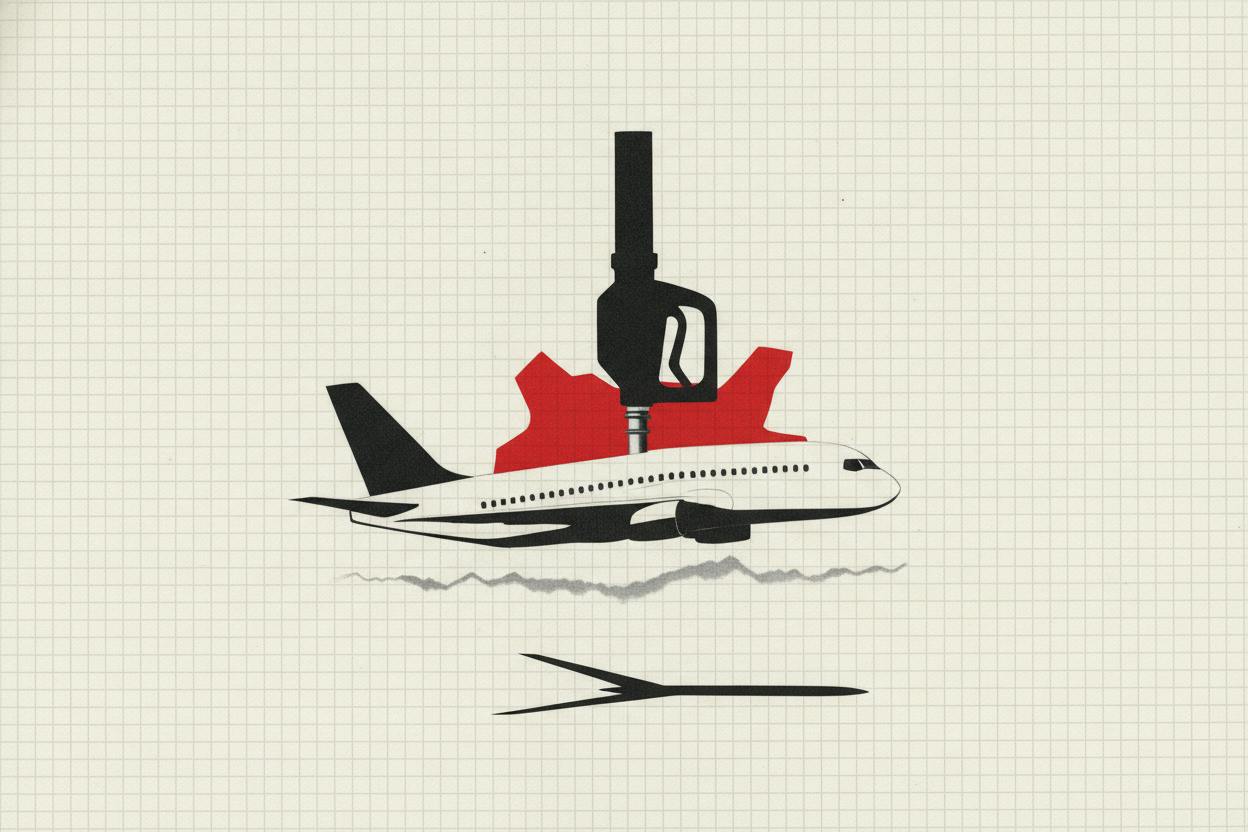
Delta guided to an all-in fuel price of about $4.25 per gallon for the current quarter, even after a roughly 40-cent-per-gallon benefit from its own refinery. That is a significant jump from recent levels and helps explain why the company felt compelled to lower its outlook.
For context, airlines have been enjoying a relatively favorable fuel environment for much of the past year, which helped boost profits and keep ticket prices reasonable. But the recent spike, driven by global supply concerns and stronger demand for crude, has changed the calculus. When fuel rises that fast, margins get squeezed unless airlines can reprice tickets quickly.
Capacity is the key lever
The quickest release valve for airlines is capacity. If carriers limit how many seats they add to the market, planes tend to stay fuller and ticket prices are easier to hold. That can offset some fuel inflation faster than cost-cutting measures, which take time to implement.
Delta said it plans to keep seat growth under 2% in the current quarter, a deliberate slowdown that signals the company is prioritizing pricing power over growth. Management's demand outlook remained upbeat, suggesting the issue is not a lack of travelers but the cost of carrying them.
This sets up the key debate for the rest of airline earnings season. When fuel stays high, investors tend to care less about a one-quarter earnings "beat" and more about whether carriers can keep capacity tight enough to hold fares up. As jet fuel above $4 a gallon becomes a recurring theme, the market's focus shifts from quarterly EPS surprises to the sustainability of pricing power.
What it means for investors
For everyday investors, Delta's guidance cut is a reminder that airline profits are highly sensitive to fuel prices, which are largely outside any carrier's control. Even a well-run airline with strong demand can see its earnings outlook deteriorate quickly when energy costs spike.
The broader takeaway is that the airline industry's financial health depends on a delicate balance: strong demand, disciplined capacity, and manageable fuel costs. When one of those shifts, as fuel has recently, the entire profit picture can change.
Investors should watch how other carriers respond when they report earnings later this month. United, American, Alaska, Southwest, and JetBlue are all scheduled to update the market, and their capacity plans and pricing commentary will likely matter more than small differences versus quarterly EPS estimates. If they follow Delta's lead and hold back on adding seats, that could help support fares across the industry. If they instead chase growth, the added supply could pressure ticket prices just as fuel costs are rising.
Delta's own guidance for the current quarter suggests the company is betting on discipline. The under-2% seat growth target is a clear signal that it intends to protect margins rather than market share. Whether that strategy works will depend on how much further fuel prices move and whether competitors show similar restraint.
For now, the airline's story is one of resilience in the face of an external shock. Demand remains strong, and the company is not seeing signs of a slowdown in travel. But the math is simple: when fuel eats into margins, profits fall unless prices rise or costs fall. Delta is hoping that by keeping capacity tight, it can do both.
As the earnings season unfolds, the focus will be on whether other airlines echo Delta's cautious tone. If they do, the industry may be able to weather the fuel spike without a broader downturn. If they don't, the pressure on margins could spread, and the current optimism about travel demand might not be enough to offset the higher cost of getting passengers to their destinations.