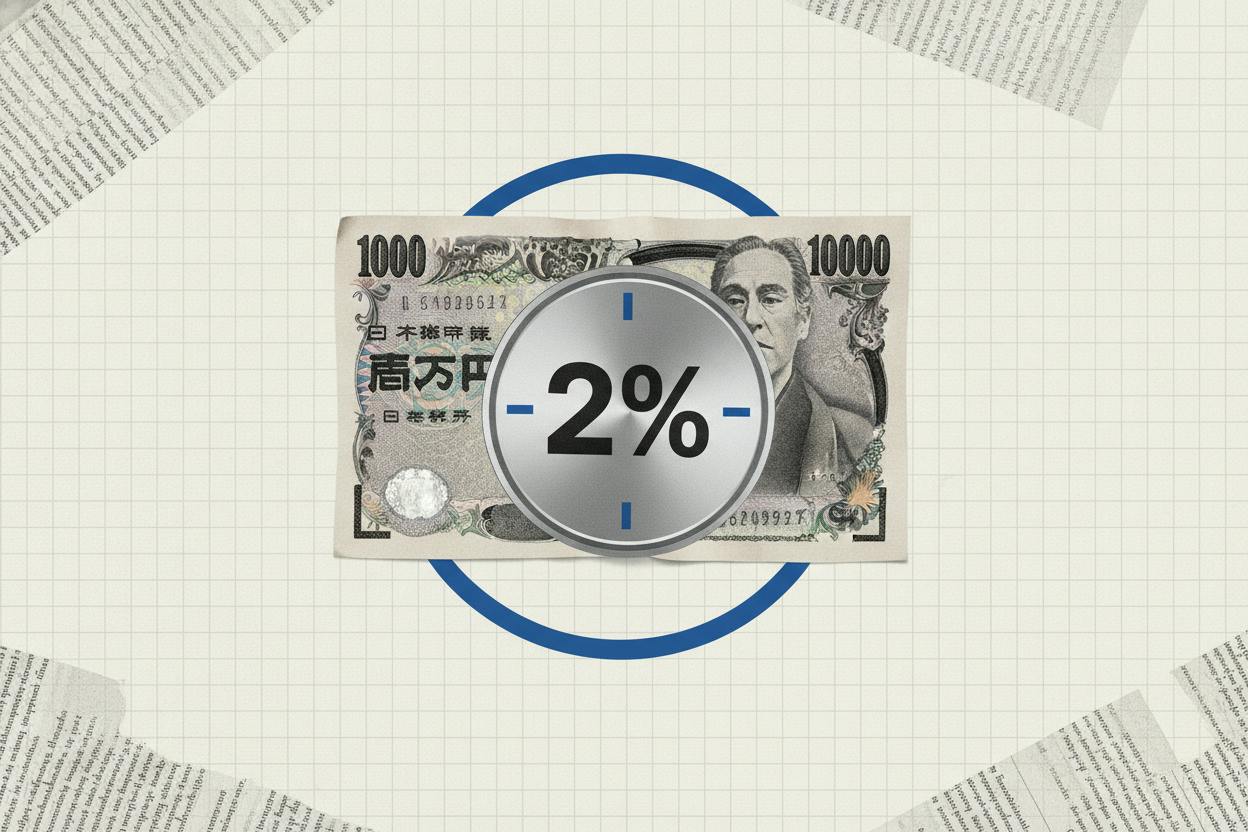
Bank of Japan Governor Kazuo Ueda struck a hawkish tone on Friday, saying the central bank will not tolerate inflation running above its 2% target and is prepared to keep raising interest rates if price pressures build. Speaking in Bangkok after the International Monetary Fund meetings, Ueda said Japan's economy and inflation are broadly tracking the BOJ's forecasts, but he drew a firmer line than markets are used to hearing.
“Underlying inflation is hovering around 2%,” Ueda said. “We cannot tolerate inflation accelerating further.” His comments signal a continuation of the shift that began with the BOJ's rate increases in June, as the central bank moves away from years of ultra-loose monetary policy.
What's driving the BOJ's stance?
Japan has spent decades fighting deflation, with prices falling or flat for much of the past 30 years. That changed recently as global supply chain disruptions and higher energy costs pushed inflation up. Now, with underlying price growth near the BOJ's target, the central bank's focus has shifted from stimulating the economy to ensuring inflation doesn't overshoot.
Ueda's comments suggest the BOJ is comfortable with the current trajectory but is wary of letting price growth run too hot. The bank's job, he indicated, is to keep inflation anchored around 2% over the medium term, not to let it spiral higher.
Despite the hawkish tone, Ueda gave no hints about the timing of the next rate hike. Markets are now looking ahead to the BOJ's policy meeting on October 29-30, where investors will watch for any signals about future moves.
What it means for investors
For everyday investors, the BOJ's stance matters because interest rates in Japan affect global markets. Japan is the world's fourth-largest economy and a major holder of foreign assets. When Japanese rates rise, it can influence everything from bond yields to currency values and stock prices.
Higher Japanese rates could strengthen the yen, which would impact Japanese exporters like Toyota and Sony, as their overseas earnings become less valuable when converted back to yen. It could also affect global bond markets, as Japanese investors—who hold large amounts of foreign bonds—might shift money back home if domestic yields become more attractive.
For investors in U.S. or European stocks, the direct impact is usually limited, but a stronger yen can hurt the competitiveness of Japanese companies and weigh on the Nikkei index. Conversely, a weaker yen has been a tailwind for Japanese equities in recent years, boosting exporter profits.
The BOJ's path also contrasts with other major central banks. The U.S. Federal Reserve and the European Central Bank have been grappling with inflation for over a year, and while they have paused rate hikes recently, they remain vigilant. Fed officials have expressed concerns about inflation, and markets are watching for any signs of further tightening.
In Japan, the BOJ's shift is still relatively new. The bank raised rates in June for the first time in over a decade, and any further hikes would mark a significant departure from its long-standing policy of keeping rates near zero.
What to watch next
The key date is October 29-30, when the BOJ's policy board meets. Investors will scrutinize the statement and Ueda's press conference for any clues about the pace of future rate increases. Also important will be upcoming inflation data, which will show whether price growth is indeed staying near 2% or starting to accelerate.
Another factor is the yen's exchange rate. If the yen weakens sharply, it could push up import prices and fuel inflation, prompting the BOJ to act more aggressively. Conversely, a stable yen might give the bank room to wait.
For now, Ueda's comments suggest the BOJ is in a holding pattern, ready to act if needed but not committed to a specific timeline. That leaves markets guessing, but the overall direction is clear: Japan is slowly normalizing its monetary policy, and investors should be prepared for higher rates in the world's third-largest economy.
As always, it's wise to keep an eye on how these developments ripple through global markets. Currency movements and inflation data will remain key drivers for investors worldwide.