Central bankers on both sides of the Atlantic are sounding more cautious about the path of inflation, even as Europe moves to shield itself from economic pressure from abroad.
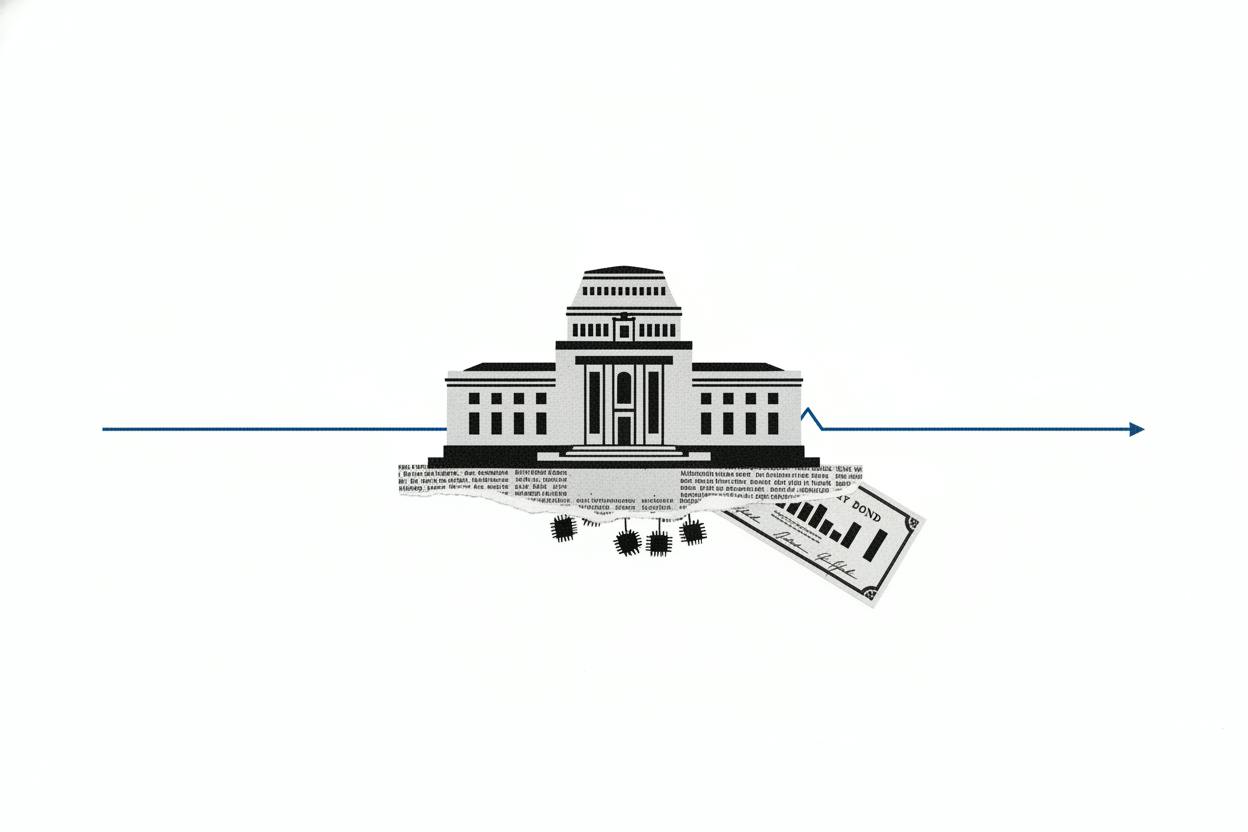
In the United States, several Federal Reserve officials have described the latest inflation data as disappointing, a sign that the fight to bring prices under control may be taking longer than hoped. Chicago Fed President Austan Goolsbee called the recent figures “discouraging,” while San Francisco Fed President Mary Daly said she is increasingly worried that inflation could prove persistent. Cleveland Fed President Beth Hammack added that higher input costs could begin to shape what businesses expect inflation to be in the future, according to Commerzbank Research.
These comments come after a string of inflation readings that have run hotter than many investors expected. For everyday Americans, that means the cost of living may not be falling as quickly as hoped, and the Federal Reserve may be less inclined to cut interest rates in the near term. When the Fed keeps rates higher, borrowing becomes more expensive for mortgages, car loans, and credit cards, which can weigh on consumer spending and business investment.
Why the Fed's tone matters
The Fed has been trying to bring inflation down to its 2% target without tipping the economy into a recession. For much of the past year, investors hoped that the worst of the inflation surge was over and that the central bank would soon begin easing policy. But the recent data has muddied that picture.
Goolsbee's use of the word “discouraging” is notable because he is generally seen as one of the more dovish members of the Fed, meaning he tends to favor lower rates. If even he is expressing concern, it suggests that the committee as a whole may be losing patience with the slow progress on inflation.
Daly's worry about persistence points to a scenario where inflation stays stuck above target even as the economy slows. That would be a difficult situation for the Fed, because cutting rates to support growth could risk reigniting price pressures, while keeping rates high could deepen any downturn.
Hammack's comment about input costs feeding into inflation expectations is also important. If businesses start to believe that higher costs are here to stay, they may raise prices more aggressively, which can become a self-fulfilling prophecy. The Fed watches inflation expectations closely because they can influence actual inflation.
Europe's new trade defense tool
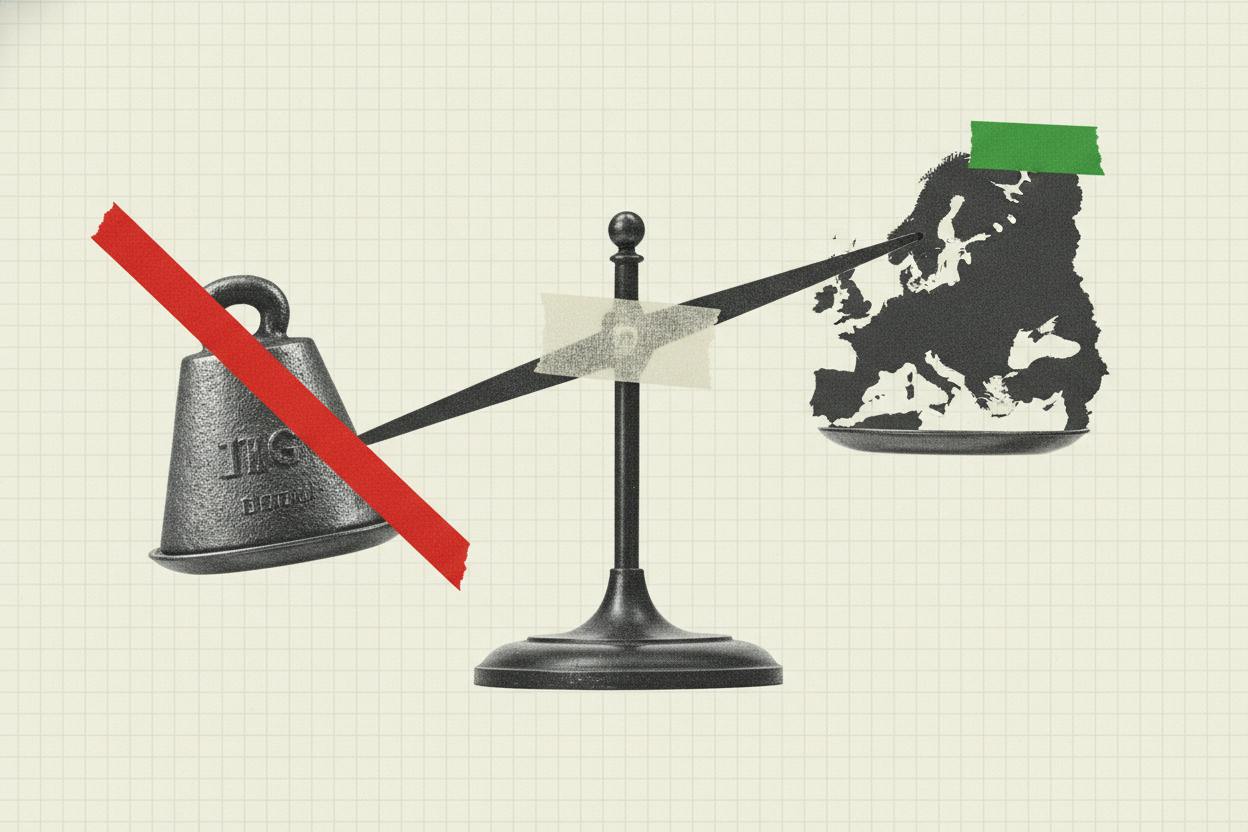
Across the Atlantic, the European Union is preparing a new instrument that would allow it to suspend a country's access to the single market in response to what it considers economic attacks. The tool is designed to deter foreign governments from using trade or investment restrictions as a weapon.
The single market is the EU's crown jewel—a zone where goods, services, capital, and people move freely across member states. Being cut off from it would be a significant blow to any country that relies on selling into Europe. The new measure would give Brussels a way to respond quickly and forcefully to coercive economic practices, such as when a country threatens to cut off energy supplies or imposes sudden tariffs.
This is part of a broader trend of countries building up defensive trade tools as geopolitical tensions rise. The EU has already used similar mechanisms to respond to US tariffs and to protect European companies from foreign subsidies. The new tool would go further by directly targeting market access.
For investors, this adds another layer of uncertainty to global trade. Companies that export heavily to Europe could face sudden changes in market access if their home governments get into a trade spat with Brussels. That could affect earnings and share prices, particularly in sectors like autos, chemicals, and machinery.
What it means for investors
For investors, the key takeaway is that the path for interest rates is less clear than it seemed a few months ago. If the Fed stays on hold or even raises rates again, that could pressure stock valuations, especially for growth companies that are sensitive to borrowing costs. It could also keep the dollar strong, which tends to hurt multinational companies that earn revenue overseas.
At the same time, the EU's new trade tool could create volatility in European markets and for companies with significant exposure to the region. Investors may want to keep an eye on trade headlines and any signs that the tool is being used.
The recent strength in European stocks has been driven by solid earnings, but the new trade defense mechanism could add a geopolitical risk premium to European assets. Similarly, the dollar's recent wobble reflects shifting rate expectations, and any further surprises in inflation data could swing currencies and commodities.
For now, investors should brace for more volatility as central banks and governments navigate a tricky landscape. The Fed's next moves will depend on the data, and the EU's new tool is a reminder that trade policy can change quickly. As always, diversification and a long-term perspective remain sensible strategies.