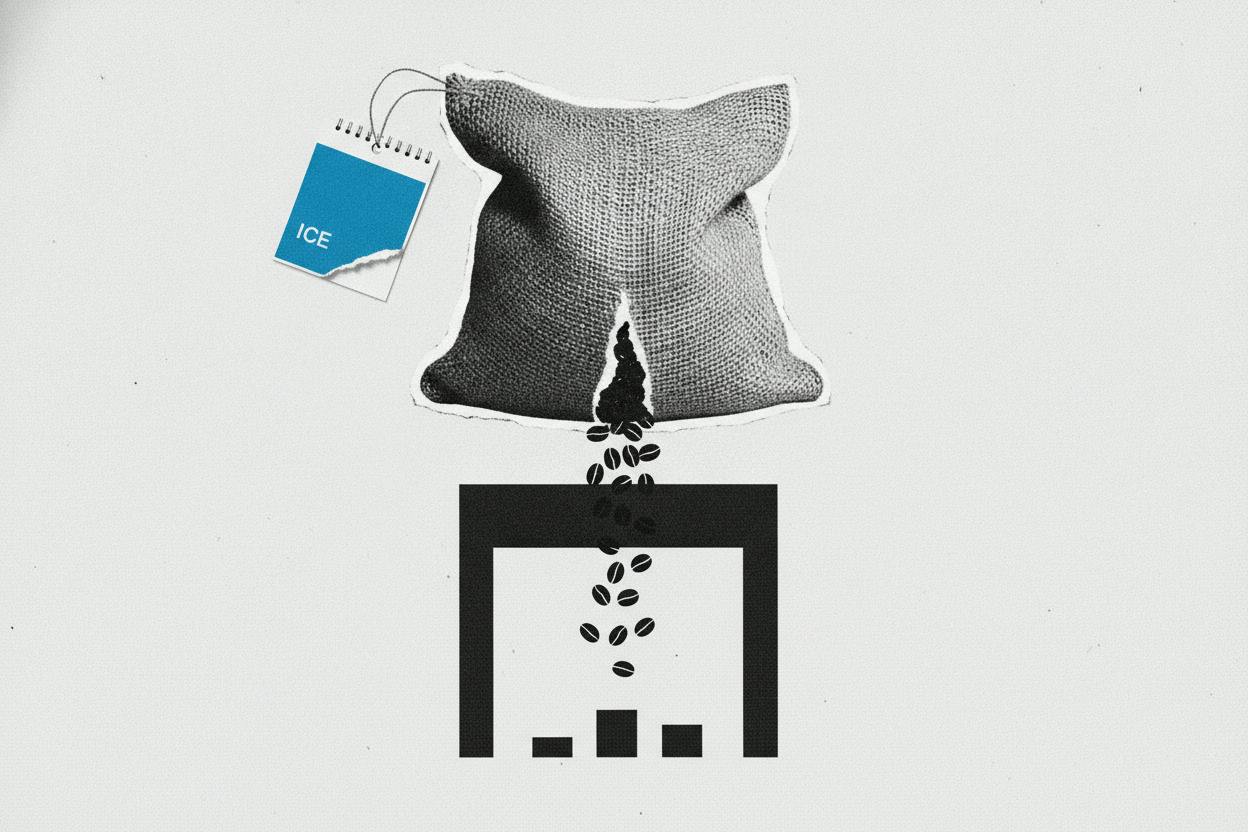
Coffee prices are perking up. Arabica futures on the Intercontinental Exchange (ICE) rose 4.7% to about $3.0855 a pound, hitting a one-month high. The trigger: traders are worried that Brazilian beans won't reach exchange-approved warehouses before the December contract expires.
That might sound like a niche logistics problem, but for anyone who buys coffee—or invests in it—it's a big deal. Here's why.
What's driving the move?
The ICE coffee market works like this: when a futures contract expires, traders who are still holding a position must either settle in cash or deliver the physical commodity. For coffee, that means getting actual beans into ICE-certified warehouses. If you can't deliver, you have to buy back your position, often at a premium.
Dealers are now warning that shipments from Brazil—the world's largest coffee producer—may not arrive in time for the December contract's expiration. That leaves the market with a problem: there may not be enough coffee in approved warehouses for everyone who needs to make delivery.
ICE-certified inventories stood at 238,976 bags, not far from last month's 27-year low of 217,646 bags. To put that in perspective, a single bag weighs 60 kilograms, or about 132 pounds. So the exchange's entire certified stockpile is roughly 14,000 tonnes—less than a day's global consumption.
When stockpiles are this thin, even a small hiccup in supply can send prices spiking. That's exactly what happened this week.
Why Brazil matters
Brazil is the world's biggest coffee grower, and its crop is central to global supply. But getting beans from Brazilian farms to ICE warehouses in the U.S. or Europe takes time—shipping, customs, quality checks. If the beans are still in transit when the December contract expires, they're useless for delivery purposes.
This isn't the first time the market has worried about deliverable supplies. Coffee has been in a tight supply situation for a while, with weather issues and shipping delays keeping inventories low. The broader trend has been upward for prices, and this latest jump is just the most recent chapter.
For context, other commodities have seen similar dynamics. For instance, rubber prices rose recently as Chinese tire plants restarted after a holiday, tightening supply. And oil prices have been volatile due to geopolitical risks and supply concerns. But coffee's problem is unique: it's a perishable agricultural product with a limited window for delivery.
What it means for investors
For everyday investors, the immediate takeaway is that coffee prices are likely to stay volatile until the December contract expires. If you hold coffee futures or ETFs that track coffee prices, you could see more swings.
But there's a broader lesson here: supply chain bottlenecks can hit any commodity, and they often show up in the futures market first. When inventories are low, prices can spike quickly, and that can ripple through to the products you buy at the grocery store.
For coffee drinkers, this could eventually mean higher prices at the café or in the supermarket. But it's not a straight line—roasters and retailers often hedge their costs months in advance, so the impact may be delayed.
Investors in coffee-related stocks, such as roasters or retailers, should watch how they manage these cost pressures. Companies that have locked in supply contracts may be better positioned than those that buy on the spot market.
It's also worth noting that this isn't just a coffee story. Producer prices have been jumping across the board, and that's showing up in everything from diesel prices to retail sales. Inflation is still a factor, and commodities like coffee are part of that picture.
What to watch next
The key date is the December contract's expiration. Until then, traders will be watching shipping schedules and warehouse receipts closely. If beans arrive in time, prices could ease. If not, we could see another leg up.
Also watch the broader supply outlook. Brazil's next crop is still months away, and weather will play a role. Any signs of drought or frost could keep prices elevated.
For now, the market is on edge. Coffee prices are up, and the question is whether the beans will show up in time. For investors, it's a reminder that sometimes the most important factor isn't demand—it's the simple logistics of getting a product from point A to point B.