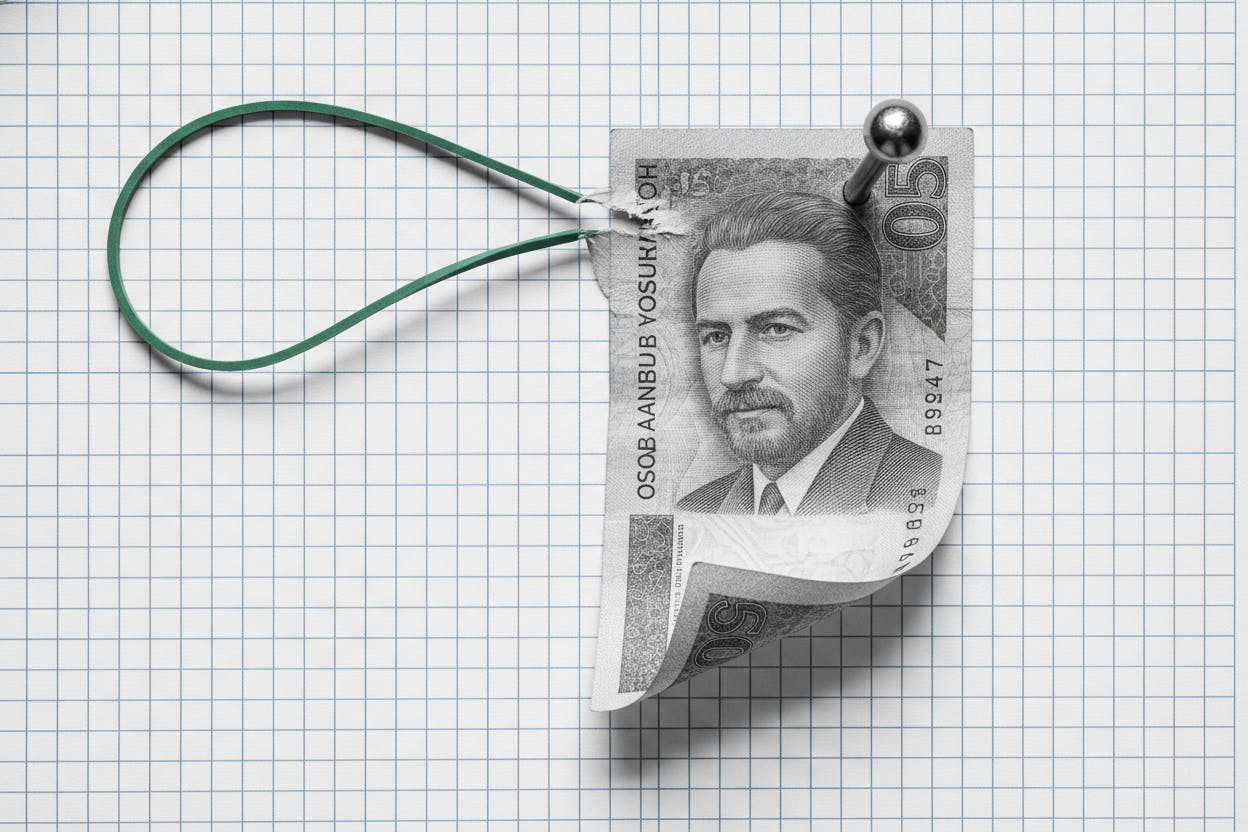
Bolivia has abandoned its 15-year currency peg to the US dollar, shifting to a flexible exchange rate that immediately set the boliviano at 9.73 per dollar. The move marks a significant policy reversal for the South American nation, which had maintained a fixed rate since 2008 to stabilize its economy and control inflation.
Why Bolivia Dropped the Peg
A fixed exchange rate can provide stability, but it only works if a central bank has enough foreign currency reserves to meet demand at that price. According to Reuters, Bolivia has been grappling with an acute shortage of dollars, a situation that typically forces governments to ration access to hard currency, deplete foreign-exchange reserves, and push trade into unofficial markets where the dollar trades at a premium.
By moving to a flexible rate, Bolivia is shifting the adjustment burden onto the exchange rate itself rather than relying on dwindling reserves. The new official rate of 9.73 bolivianos per dollar reflects market forces more accurately than the previous peg, which had become increasingly unsustainable as dollar demand outstripped supply.
Broader Latin American Market Context
The decision comes as Latin American markets remain cautious, with investors weighing multiple factors. US-Iran tensions have added geopolitical uncertainty to the region, while a softer US dollar globally has created mixed signals for emerging-market currencies. A weaker dollar can benefit commodity exporters like Bolivia, but it also complicates the transition to a flexible exchange rate by introducing additional volatility.
This cautious sentiment is reflected across the region. As noted in Latin American Markets Flat as Strong Dollar and Fed Rate Outlook Weigh on Sentiment, regional markets have been under pressure from a strong dollar and Federal Reserve rate expectations. Bolivia's move adds another layer of uncertainty for investors already navigating a complex environment.
What It Means for Investors
For everyday investors, Bolivia's shift to a flexible exchange rate has several implications. First, it signals that the country is facing serious economic strain, particularly a shortage of dollars that could affect businesses and individuals who rely on imports or foreign transactions. The new rate may lead to higher import costs and inflation in the short term, as goods priced in dollars become more expensive in bolivianos.
Second, the move could make Bolivian assets more volatile. Foreign investors holding Bolivian bonds or stocks may see currency fluctuations eat into returns. However, a more realistic exchange rate could also attract investment by reducing the risk of a sudden devaluation or capital controls.
Third, the broader Latin American context matters. As UK Stocks Dip as Middle East Tensions Rattle Markets shows, geopolitical risks are weighing on global markets, and emerging markets like Bolivia are particularly sensitive to such shocks. Investors should watch for further developments in US-Iran relations and the dollar's trajectory, as these will influence how smoothly Bolivia's transition unfolds.
What to Watch Next
Market participants will be closely monitoring Bolivia's central bank for signs of how it manages the new flexible regime. Key indicators include the pace of reserve depletion, inflation data, and any additional measures to control capital flows. The success of the transition will depend on the central bank's credibility and its ability to communicate policy clearly.
For now, the boliviano's new level of 9.73 per dollar is a starting point. As with any shift from a fixed to a flexible rate, the currency may continue to adjust as markets find equilibrium. Investors should expect volatility and consider the broader regional context, including how other Latin American economies are navigating similar challenges.
In a region where currency stability has long been a priority, Bolivia's decision marks a notable departure. Whether it leads to greater economic resilience or short-term pain will depend on how well the country manages the transition and how global factors evolve.