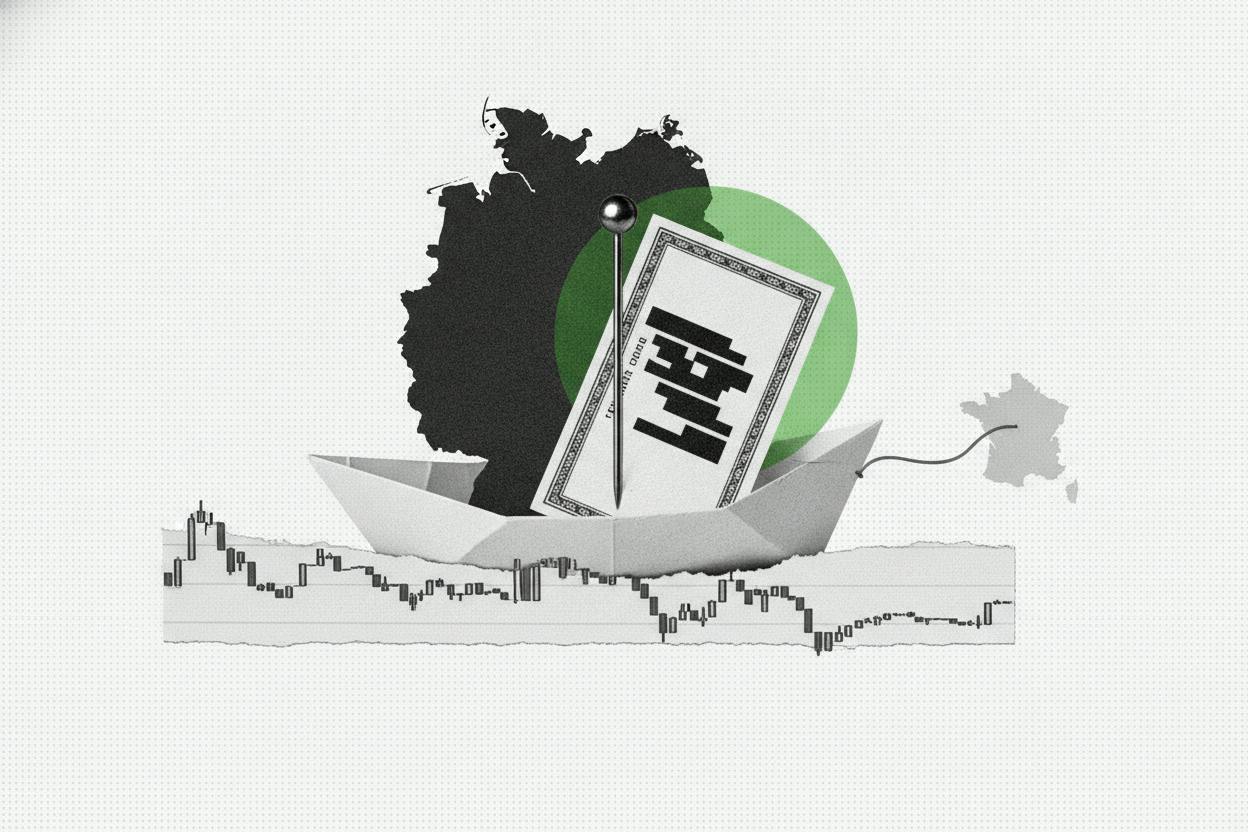
Investors piled back into eurozone government bonds this week, with German Bunds leading the charge, as turbulence in AI-linked stocks sent a clear signal: when technology shares wobble, the bond market becomes the place to hide. The move marked the strongest run for eurozone bonds since late May, a reminder that even in a year dominated by artificial intelligence enthusiasm, old-fashioned safety still has its appeal.
What happened
German 10-year yields—the benchmark for the eurozone—fell over the course of the week. Yields move inversely to prices, so a drop in yields means bond prices rose, reflecting strong demand. Investors were buying government debt despite the fact that the European Central Bank (ECB) is widely expected to raise interest rates again in December.
The buying spree wasn't limited to Germany. Across the eurozone, government bonds posted their best performance in months, a sign that the demand for safety was broad-based rather than confined to a single country.
Why AI stocks are driving bond buying
The trigger for this rush to bonds appears to be growing unease about the AI trade. After a spectacular run, shares of companies tied to artificial intelligence have become increasingly volatile. When investors worry that AI-related earnings or valuations might be stretched, they often rotate out of riskier assets and into government bonds, which are considered among the safest investments in the world.
This week's bond rally fits a pattern seen repeatedly in markets: when one high-flying sector stumbles, money flows into assets perceived as havens. The AI trade has been a major driver of stock market gains over the past year, so any sign of weakness there can have outsized effects on investor sentiment.
For context, bond investors have been growing wary of AI-related credit risks, and AI data center IPOs have stalled as Treasury yields climbed. These developments suggest that the enthusiasm for AI is being tempered by a more cautious outlook in the credit and equity markets.
What it means for investors
For everyday investors, this week's bond rally is a useful reminder of the role that government bonds play in a portfolio. When stocks get choppy, bonds often provide a cushion. The fact that German Bunds are in demand even as the ECB is expected to hike rates shows that investors are willing to accept lower yields for the peace of mind that comes with government debt.
It's also worth noting that the ECB's expected December rate hike is not deterring bond buyers. Typically, higher interest rates make existing bonds less attractive because new bonds will offer higher yields. But in times of stress, investors often prioritize safety over yield. This suggests that the market is more worried about the potential for an AI-led selloff than about the impact of higher rates.
For those with exposure to European bonds, the recent rally is a positive sign. For those considering adding bonds to their portfolio, it's a reminder that diversification across asset classes can help manage risk. However, it's important to remember that bond prices can fall as well as rise, and that the ECB's rate path remains a key factor to watch.
Looking ahead
The key question for investors is whether this bond rally is a temporary blip or the start of a longer-term trend. If AI stocks continue to struggle, demand for safe havens could persist, keeping bond yields low. On the other hand, if the AI trade regains its footing, investors may once again shift their money back into equities, and bond yields could climb.
In the meantime, the ECB's December meeting will be closely watched. A rate hike, if it happens, would be the latest step in the central bank's fight against inflation. But as this week's action shows, even the prospect of higher rates isn't enough to keep investors away from the safety of government bonds when stock markets get jittery.
For now, the message from the bond market is clear: when AI stocks wobble, investors still know where to turn. And that's a lesson that applies well beyond the eurozone.