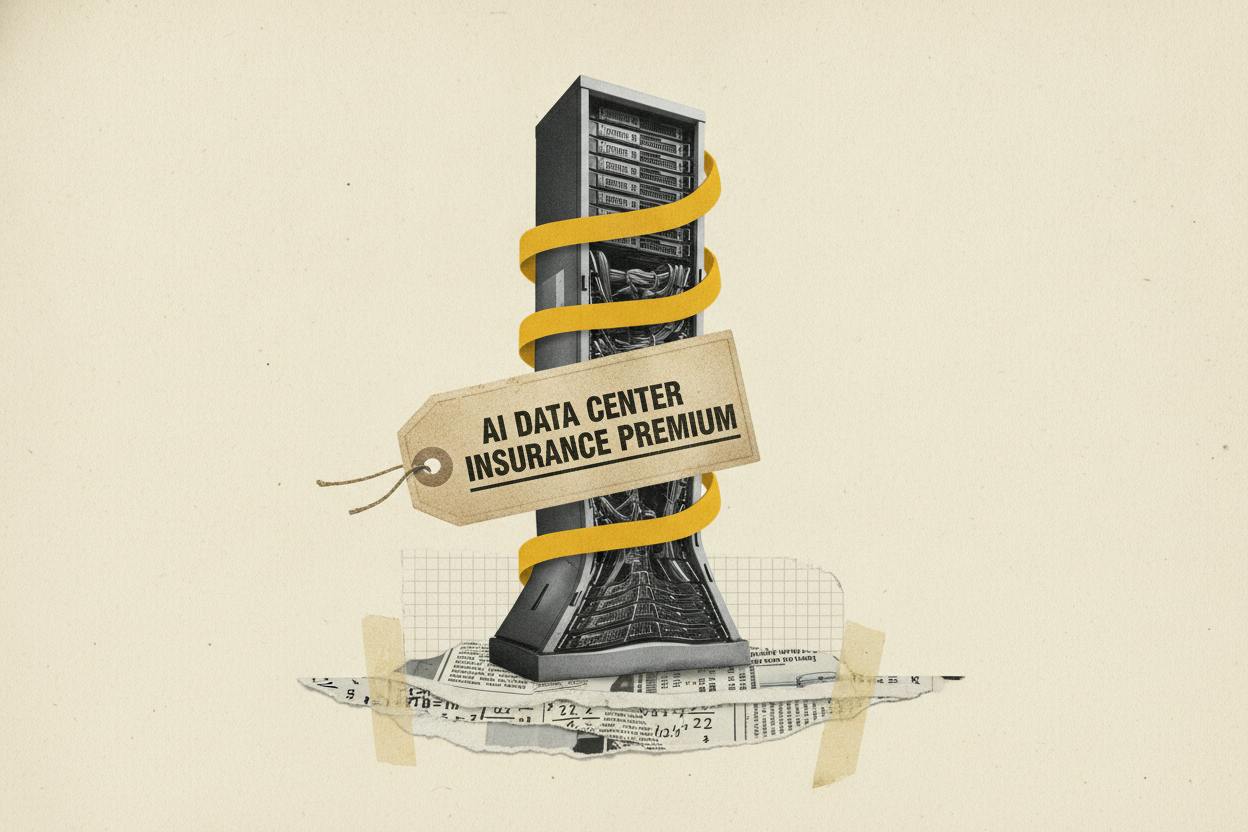
Credit insurance on some of the biggest names in artificial intelligence is getting more expensive, and fast. According to Reuters, credit default swap (CDS) spreads tied to AI-linked companies, including cloud computing firm CoreWeave, have jumped past 1,000 basis points. That's a level that typically signals serious concern among bond investors, even as AI stocks continue to trade near record highs.
For everyday investors, this is a useful reminder that the AI boom isn't just about stock prices. The companies building the data centers and computing power behind the AI revolution are also borrowing heavily to fund that expansion. When the cost of insuring that debt rises sharply, it suggests that lenders and bondholders are starting to worry about the risks.
What are credit default swaps?
A credit default swap is essentially an insurance policy on a bond. The buyer of a CDS pays a periodic fee, and in return, the seller agrees to cover the buyer's losses if the bond issuer defaults. The price of that protection—the spread—is measured in basis points. One basis point is 0.01%, so a spread of 1,000 basis points means it costs 10% of the bond's face value per year to insure it.
To put that in perspective, investment-grade companies typically have CDS spreads well below 200 basis points. Junk-rated firms might trade in the 300 to 500 range. A spread above 1,000 basis points is a red flag, often seen in companies with serious financial stress or high default risk.
CoreWeave, a company that provides cloud computing power for AI workloads, has been a poster child for the AI infrastructure boom. It has raised billions in debt to build out its data centers, betting that demand for AI computing will keep growing. But with interest rates staying higher for longer, the cost of servicing that debt is rising, and the timeline for turning all that spending into profits is getting murkier.
Why are spreads widening now?
The trigger, according to Reuters, is higher interest rates. When rates go up, borrowing becomes more expensive for everyone, but it's especially painful for companies that are heavily leveraged and still burning cash. AI infrastructure firms like CoreWeave are in that camp: they're spending enormous sums upfront on servers, cooling systems, and power, hoping that future revenue will justify the investment.
But higher rates also change the math on when those investments pay off. A dollar of profit earned five years from now is worth less today when rates are high, because investors demand a bigger return to wait. That forces a reassessment of whether the massive capital expenditures will generate enough profit to cover the debt.
The widening of CDS spreads is a sign that bond investors are starting to price in that risk. It's a shift in sentiment that can happen even while equity markets remain buoyant, because stock and bond investors often look at different time horizons and risk factors.
What it means for investors
For ordinary investors, the message is nuanced. AI stocks have been a major driver of market gains, and many people hold them through index funds or tech-heavy portfolios. The fact that credit markets are flashing warning signs doesn't mean the AI trade is over, but it does suggest that the risk profile is changing.
If you own bonds or bond funds that include tech or AI-related debt, rising CDS spreads could translate into lower prices and higher yields. For stock investors, it's worth watching whether this credit stress spills over into equity valuations. Historically, when bond investors start demanding more compensation for risk, it can eventually weigh on stock prices, especially for companies with high debt loads.
It's also a reminder that not all AI exposure is the same. Companies with strong balance sheets and steady cash flows are better positioned to weather higher rates than those relying on borrowed money to fund growth. The tech sector's recent wobbles show how quickly sentiment can shift.
The broader backdrop is one of sticky inflation and rising energy costs, which are keeping pressure on central banks to maintain higher rates. That environment is likely to keep credit markets on edge, not just for AI names but for any company with significant debt.
What to watch next
Investors should keep an eye on a few things. First, whether CDS spreads on AI names continue to widen or start to stabilize. A sustained move above 1,000 basis points could signal deeper trouble. Second, watch for any signs that AI companies are pulling back on capital spending or struggling to refinance debt. Third, monitor earnings reports from major AI players for clues about when the spending will translate into profits.
For now, the AI story remains intact, but the credit market is sending a yellow light. It's not a red light—yet—but it's a signal that the easy money days of cheap borrowing are over, and the bill for all that data center construction is coming due.