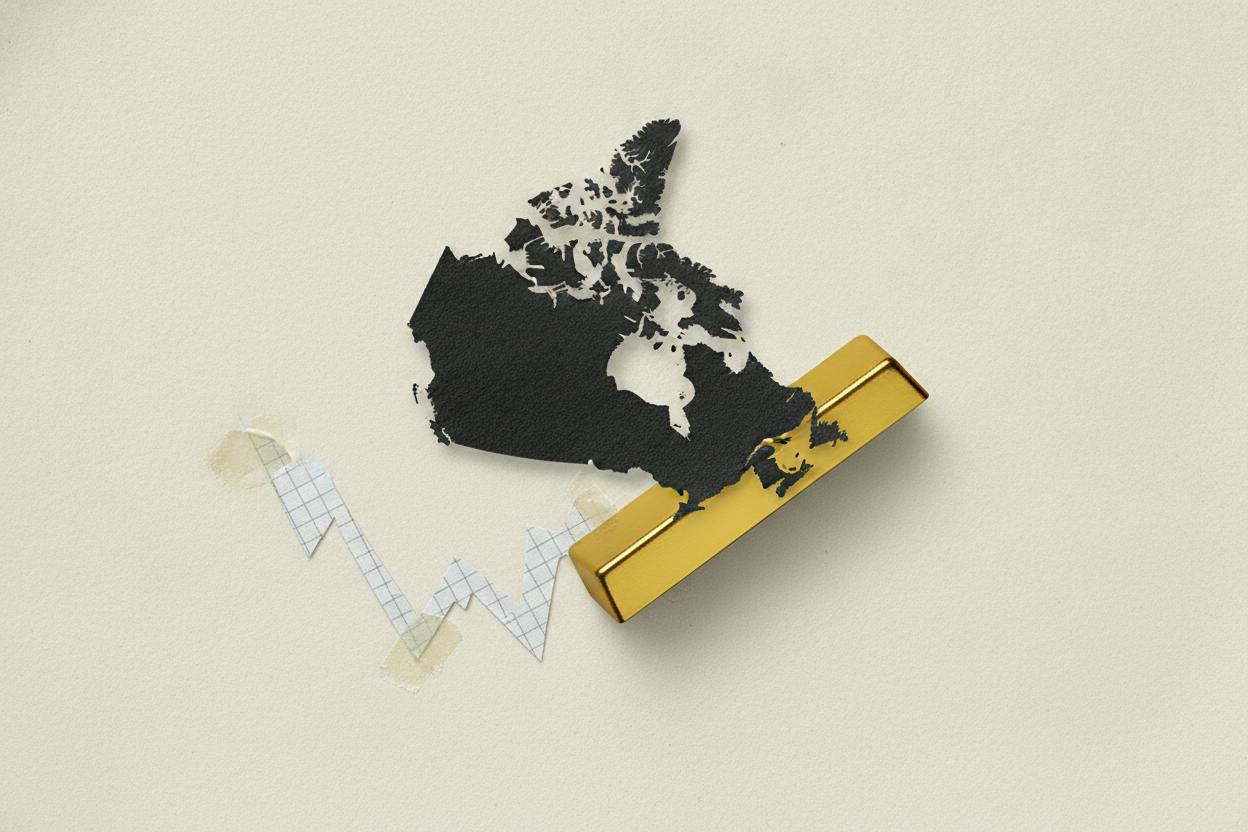
Canada’s main stock index looked set to open higher on Thursday, as a rebound in gold and silver helped offset pressure from falling oil prices and a retreat in AI-related shares. Futures on the S&P/TSX Composite Index pointed to a modestly positive start, with investors weighing a mix of signals across commodities, bonds, and technology stocks.
Why precious metals are bouncing
The immediate driver was a dip in US Treasury yields. Gold and silver don’t pay interest, so when yields on bonds fall, the opportunity cost of holding these metals shrinks. That makes them more attractive to investors. On Thursday, spot gold and silver both rose more than 1% as the US dollar and yields eased.
This is a familiar pattern: when bond yields decline, precious metals often get a lift. The move was quick and visible, underscoring how sensitive the metals market is to shifts in interest-rate expectations.
What it means for Canada’s TSX
For the TSX, a bounce in metals carries extra weight. The index has a heavy concentration of mining and materials companies, so gold and silver prices can move the whole market. When those stocks rally, they can offset weakness elsewhere.
That was the case on Thursday. Even as oil prices slid and AI-linked stocks pulled back, the strength in materials helped keep futures in positive territory. It’s a reminder that Canada’s market often dances to a different tune than US indexes, which are more dominated by technology names.
Investors have been rethinking crowded bets on AI stocks, a theme that has weighed on global tech shares. But the TSX’s mix of sectors means it can still find support from other corners.
The oil slide and its drag
Oil prices were lower, which typically hurts Canada’s energy-heavy index. Crude has been volatile recently, and a drop can weigh on the shares of producers and pipeline companies. Thursday’s decline was not enough to sink the whole market, but it did keep a lid on gains.
Energy and materials often move in opposite directions, and Thursday was a clear example. While oil dragged, gold and silver lifted. The net effect was a market that held its ground.
What investors should watch
For everyday investors, the key takeaway is that markets are being driven by a tug-of-war between interest-rate expectations and sector-specific news. Treasury yields are a central force: when they fall, they tend to support metals and other non-yielding assets, while pressuring banks and other yield-sensitive sectors.
At the same time, the AI trade is showing signs of strain. After a long run, some investors are questioning whether the massive spending on data centers and related infrastructure is justified. That has led to jitters in global markets, with money rotating into safer assets like government bonds.
For Canadians, the TSX’s performance is a useful barometer. It reflects the health of the country’s resource sector, which is closely tied to global commodity prices and the US economy. When gold and oil move, the index often follows.
The bigger picture
Thursday’s move is part of a broader pattern. Over the past week, Treasury yields have tumbled, and the US dollar has slipped from an 18-month high. That has been a tailwind for metals, but it also signals that investors are worried about growth and the path of inflation.
If yields keep falling, gold could continue to climb. But if the AI selloff deepens, it could spill over into other risk assets, including stocks. For now, the TSX is finding a balance, but the situation remains fluid.
As always, it’s important to remember that markets are unpredictable. A single day’s move doesn’t set a trend. But for those watching their portfolios, the interplay between yields, commodities, and tech sentiment is worth keeping an eye on.