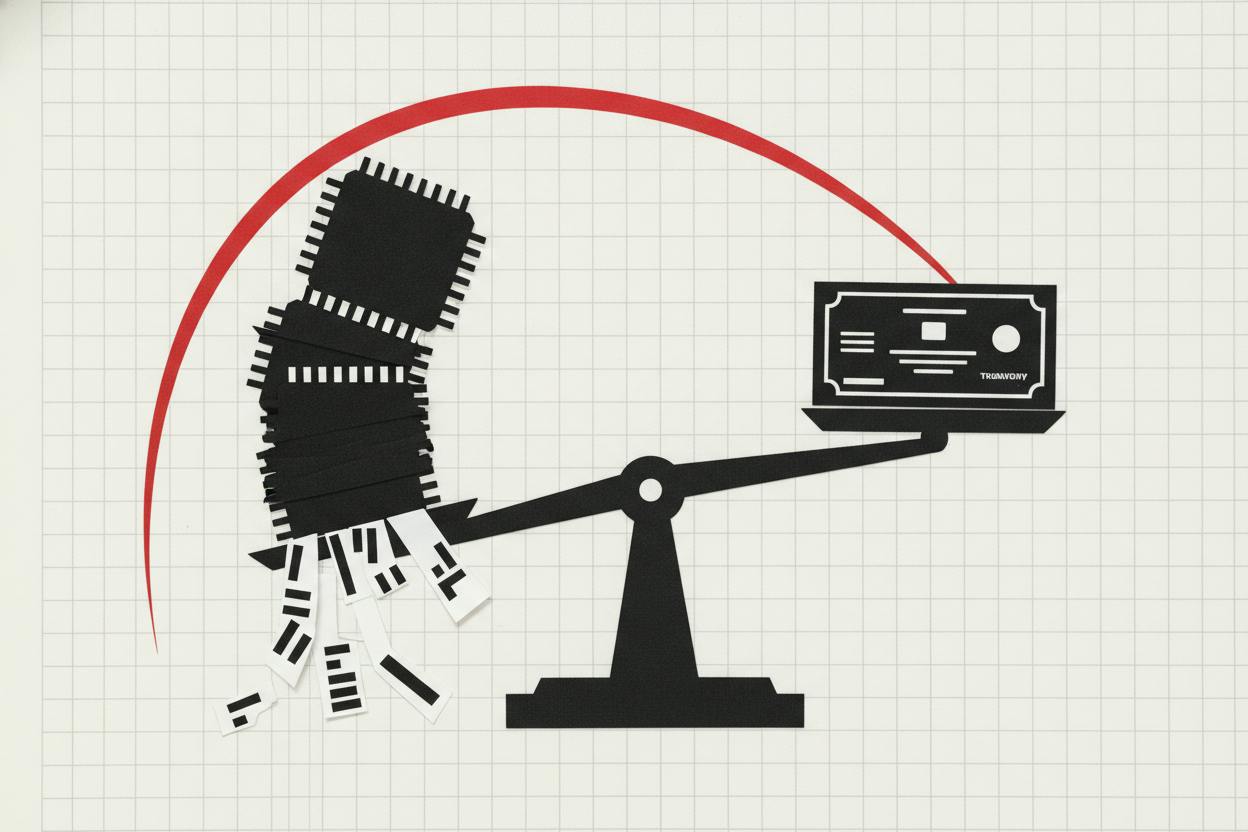
The S&P 500 is hovering just under the 8,000 mark after a strong run, but the latest earnings season arrives with a tougher backdrop. Oil prices are above $105 a barrel, and the yield on the 10-year US Treasury is at its highest level since 2002. That combination is forcing investors to ask whether the AI-driven megacap stocks that powered the rally can deliver enough to justify current valuations.
Why higher yields matter
Higher long-term Treasury yields are a double-edged sword for stocks. On one hand, they make borrowing more expensive for companies, which can squeeze profit margins and slow growth. On the other, they offer investors a more attractive alternative to equities: you can earn a decent income from government bonds with far less risk than stocks. When yields rise, some money naturally flows out of stocks and into bonds.
But the bigger impact is on how investors value companies. When valuing a stock, investors discount future profits back to today's dollars using a “discount rate.” Higher yields push that rate up, which reduces the present value of future earnings. That tends to compress price-to-earnings (P/E) multiples unless profit forecasts rise fast enough to offset the effect. In plain terms: even if companies report solid earnings, the market may not reward them as much if yields keep climbing.
Earnings growth is concentrated
According to LSEG analyst Tajinder Dhillon, third-quarter S&P 500 earnings are expected to grow 30.6% year-over-year. That sounds strong, but the growth is not spread evenly. Reuters notes that much of the increase is coming from a small group of giants tied to artificial intelligence and energy. HSBC adds that if you exclude the “Magnificent Seven” (the biggest tech names), tech, and energy, the rest of the index is tracking closer to 5% earnings growth year-over-year—down from 14% last quarter.
This concentration matters because the S&P 500 is a cap-weighted index. That means the largest companies have the biggest influence on the index's overall performance. A single disappointing report from one heavyweight can outweigh many smaller “beats” elsewhere. As Julien Lafargue, chief market strategist at Barclays Private Bank, puts it: “good is not going to be enough” if the leaders don't clearly clear expectations.
What it means for investors
For everyday investors, this earnings season is less about the headline number and more about who is delivering it. If the AI megacaps continue to beat expectations, the index could push higher. But if any of them stumble—or offer cautious guidance—the impact could be outsized, given their weight in the index.
The higher yield environment also raises the bar for all stocks. With 10-year Treasuries offering their best income in over two decades, investors are less willing to pay up for future growth. That's why even a strong earnings season may not translate into big index gains if the market has already priced in the good news.
For those watching the bond market, the recent tumble in Treasury yields could offer some relief, but the broader trend remains upward. Similarly, higher yields may delay M&A and IPOs, which could affect market sentiment. And while hot inflation data has rattled AI stocks before, the current focus is squarely on earnings.
The bottom line
The S&P 500's proximity to 8,000 is a milestone, but it also means expectations are high. With oil above $105 and long-term yields at multi-decade highs, the market is demanding more from the companies that have led the rally. Investors should watch not just whether earnings beat, but how much they beat by—and whether the growth is broad or narrow. In a cap-weighted index, the fate of the few can move the many.