BP's new chief executive, Meg O'Neill, is moving quickly to reshape the oil giant after a rocky leadership period and a renewables push that failed to deliver. Her strategy: cut costs, tighten capital spending, and simplify the company into two core businesses—upstream and downstream—with its trading desk acting as the central link.
O'Neill took over in April following a turbulent stretch for the company, and her approach is designed to win back investor confidence. According to reports, she is focusing on lower costs, less debt, and stricter capital discipline—meaning BP will be more selective about which big projects it funds. The reorganization into upstream (oil and gas production) and downstream (refining and selling fuels) marks a return to a simpler structure after years of diversification into renewables that did not meet expectations.
How BP's Trading Desk Fits In
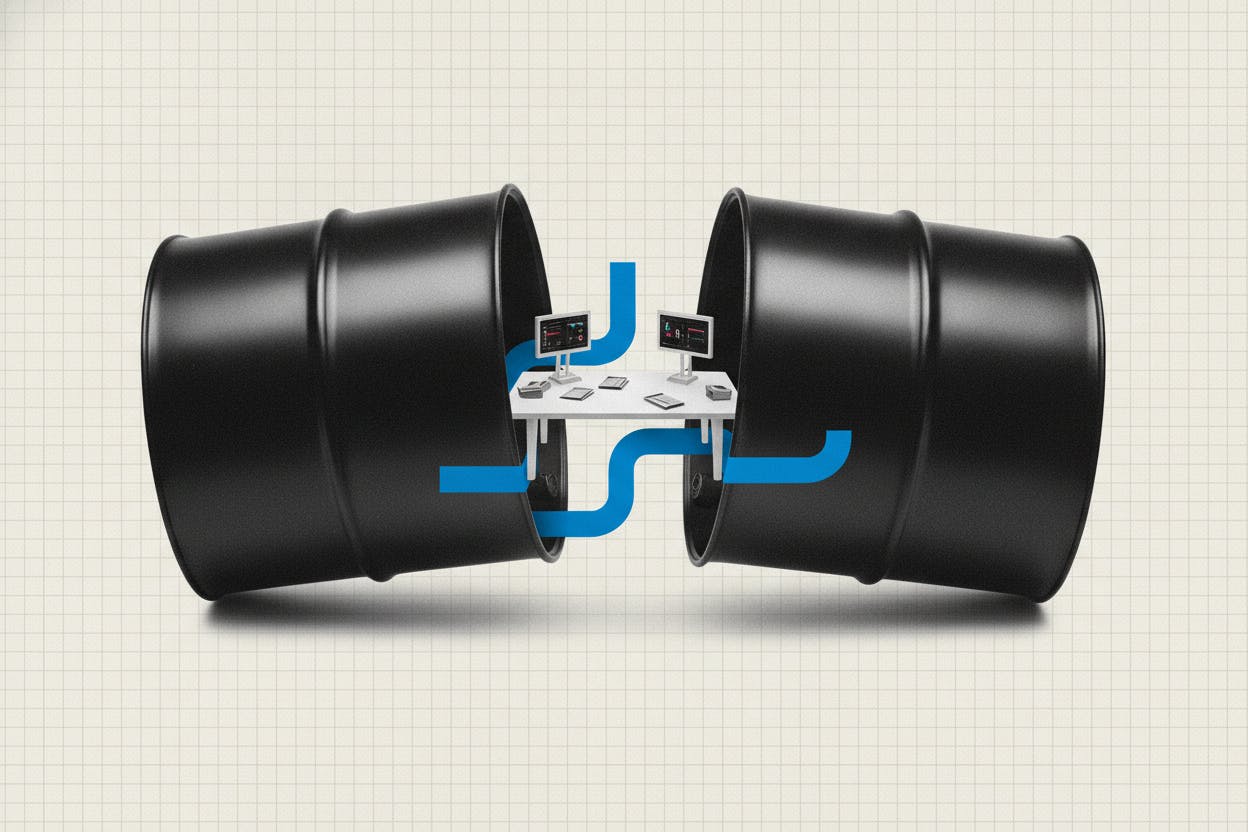
Under the new structure, BP's trading desk sits between the two main businesses. Its role is to turn market chaos into profit by shifting crude oil and refined fuels to where they are most valuable, using shipping, storage, and timing to capture price gaps. This approach got a live test recently when disruption around the Strait of Hormuz tightened global energy markets.
BP's first-quarter profit more than doubled year-on-year to $3.2 billion, highlighting how central trading has become to the company's performance. In choppy markets, the trading desk can exploit regional shortages and large price differences between crude and refined products, boosting earnings in ways that steady production growth alone cannot.
What It Means for Investors
For shareholders, the shift to a trading-heavy model brings both opportunity and risk. On the one hand, BP's ability to monetize short-term dislocations can make results look stronger in volatile markets. On the other hand, it means earnings may swing more from quarter to quarter than they would if they came mainly from predictable production growth. That volatility-linked profile can change how investors judge the quality and predictability of BP's cash flows, and what valuation multiple they are willing to assign to the stock.
The broader context matters too. BP is not alone in rethinking its strategy after a renewables push. Many energy companies have found that transitioning to low-carbon businesses is slower and more expensive than anticipated, leading to a renewed focus on core oil and gas operations. O'Neill's cost-cutting and simplification are part of a wider industry trend toward discipline after years of heavy spending.
Investors will be watching closely to see if O'Neill can deliver on her promises of lower costs and higher returns. The first-quarter profit beat is a positive sign, but the real test will be whether BP can sustain that performance as energy markets evolve. For now, the message from the new CEO is clear: fewer, better bets, and a tighter focus on what BP does best.
For more on how companies are navigating capital discipline, see our coverage of BofA's recent EPS forecast boosts and Big Tech's turn to debt markets for infrastructure spending.