BP has agreed to sell its Gelsenkirchen refinery in Germany to Klesch Group, a privately held industrial group, as part of the energy giant's broader effort to reshape its business and focus on higher-return areas. The deal, reported by Reuters, is a key step in BP's plan to divest $20 billion in assets by 2027 and supports its revised target to cut structural costs to $6.5-7.5 billion by that year.
What the deal involves
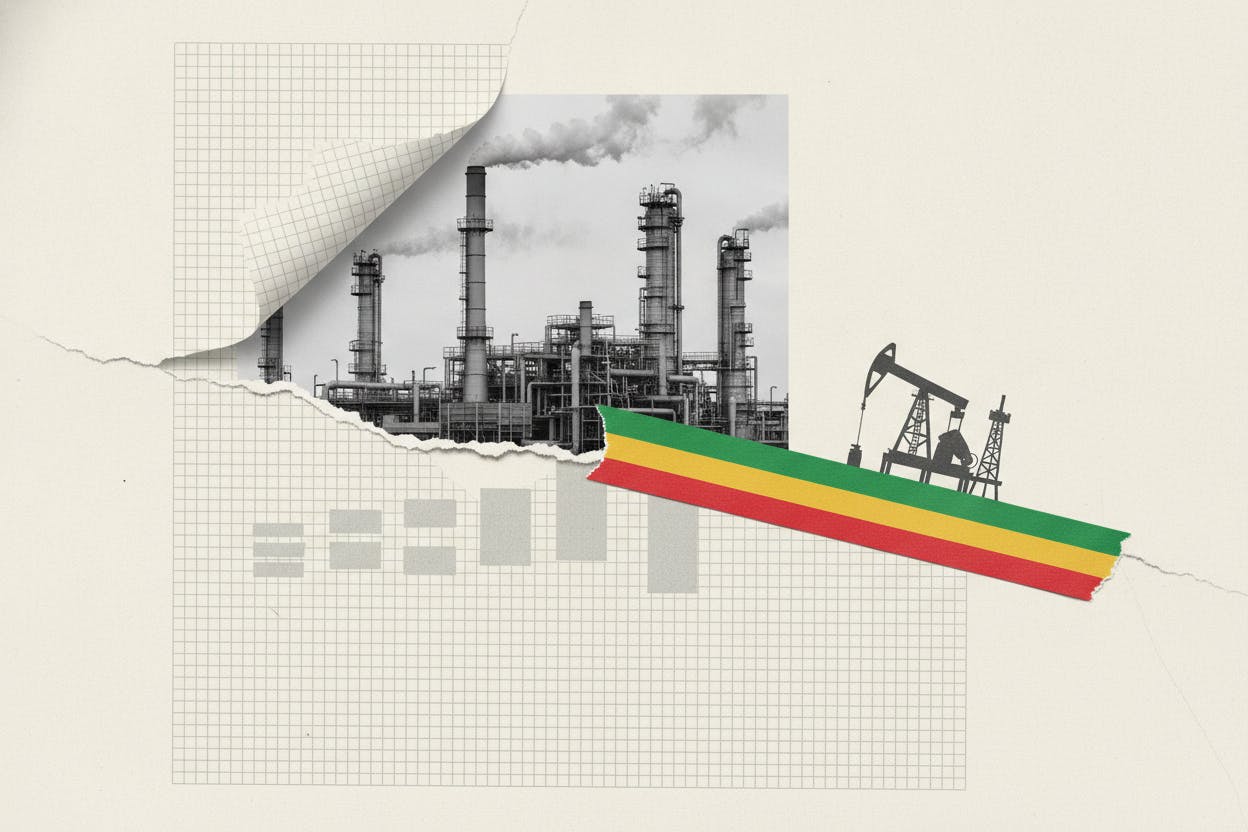
BP did not disclose the financial terms of the transaction, but said the sale should improve its free cash flow and transfers the site's assets and obligations to Klesch Group. The Gelsenkirchen refinery, located in Germany's industrial heartland, has been part of BP's downstream operations, which include refining crude oil into fuels and other products.
Barclays analyst Lydia Rainforth estimated that the sale could remove $1.3 billion to $1.7 billion of liabilities from BP's balance sheet. That matters because refineries often carry long-term commitments, such as environmental cleanup obligations and operating costs, which can weigh on a company's finances for years.
Why BP is selling
The sale is part of a strategic reset at BP. After an earlier push into renewable energy, the company has shifted focus back to its most profitable businesses, particularly oil and gas production. By selling refining and fuel retail assets, BP aims to simplify its portfolio and reduce exposure to the volatile and capital-intensive downstream sector.
Refining margins have been under pressure in recent years due to oversupply and shifting demand, making such assets less attractive for major oil companies. For BP, shedding these operations frees up cash and management attention to invest in areas with stronger growth prospects.
The divestment plan is also tied to BP's cost-cutting goals. By selling assets and streamlining operations, the company expects to lower its structural costs by $6.5-7.5 billion by 2027, up from an earlier target. This is part of a broader industry trend where oil majors are trimming their footprints to boost shareholder returns.
What it means for investors
For everyday investors, this deal is a signal that BP is serious about improving its financial health. Selling a refinery reduces the company's exposure to volatile refining margins and removes potential future liabilities. The freed-up cash can be used to pay down debt, fund dividends, or invest in higher-return projects.
However, it's important to note that BP is not alone in this strategy. Other oil majors have also been divesting downstream assets to focus on core exploration and production. This trend reflects a broader shift in the energy sector, where companies are prioritising efficiency and shareholder value over sheer size.
Investors should watch how BP uses the proceeds from this and other divestments. The company's ability to meet its cost-cutting targets and maintain its dividend will be key indicators of its financial strength. As with any major corporate restructuring, there are risks, including execution challenges and potential disruptions to operations during the transition.
Broader market context
The sale comes at a time when energy markets are volatile, with oil prices influenced by geopolitical tensions and global demand. BP's move to streamline its downstream business is part of a wider effort to adapt to these conditions. For investors, understanding how companies like BP manage their portfolios is crucial, as it directly affects their earnings and stock performance.
While the Gelsenkirchen sale is a notable step, BP's overall strategy will be tested in the coming years as it balances its legacy oil and gas business with investments in lower-carbon energy. The company's ability to execute its divestment plan and control costs will be closely watched by analysts and shareholders alike.
For those holding BP shares, the deal is a positive sign that management is taking steps to improve the company's financial position. But as always, it's wise to consider the broader risks and opportunities in the energy sector before making any investment decisions.