BP's chief executive is trying to reset the narrative around the oil giant, telling investors that the company should not be judged by its size but by its ability to turn assets into cash. The CEO's comments come as the company grapples with a roughly $40 billion pile of liabilities and a portfolio that has become spread too thin across too many projects, both of which are weighing on returns.
In a clear signal that BP is prioritizing efficiency over scale, the CEO said the "super major" label is not something the company should lean on right now. Instead, management is emphasizing total shareholder return—the combination of share price appreciation and dividends—as the key metric that matters. The message: it's not about being one of the world's biggest oil companies; it's about delivering value to the people who own the stock.
What's behind the liability burden?
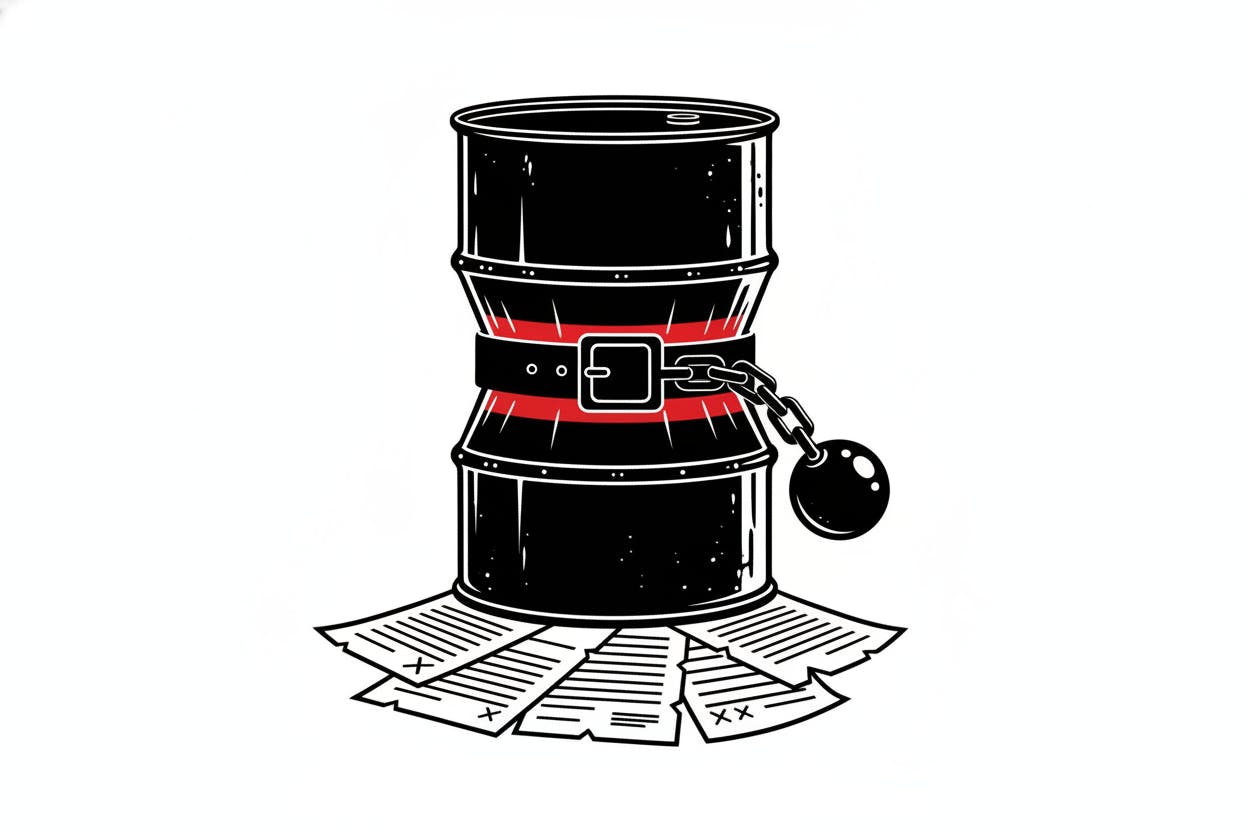
BP's liabilities are not just a single line item. They include obligations like interest payments on debt, lease commitments, and future costs tied to decommissioning oil platforms and cleaning up environmental damage. These are long-term promises that eat into the cash flow that could otherwise go to shareholders.
The CEO's comment that "too much cash" still flows to liability holders is a blunt way of saying that a significant portion of the company's earnings are being used to service obligations rather than being returned to investors. For everyday shareholders, this matters because it directly affects how much money BP can pay out in dividends or use for share buybacks.
At the same time, BP's asset base has become spread thin. Over the years, the company has invested in a wide range of projects—from traditional oil and gas fields to renewable energy ventures—but not all of them are generating the returns that management would like. A portfolio that is too diffuse can dilute focus and tie up capital in areas that don't produce strong cash flows.
Divestments on track
To address these issues, BP has been selling off assets. The company says divestments are tracking toward $15-16 billion by the end of the year. That's a substantial amount of asset sales, and it's part of a broader strategy to simplify the business and raise cash.
Divestments can be a double-edged sword. On one hand, selling off non-core assets brings in money that can be used to pay down debt or fund shareholder returns. On the other hand, selling assets can reduce future revenue if those assets were generating income. The key is whether BP is selling the right things—assets that are underperforming or don't fit the long-term strategy—while keeping the parts of the business that generate reliable cash.
This approach is not unique to BP. Many large companies in capital-intensive industries have gone through similar portfolio reviews, shedding businesses that don't meet return thresholds. The goal is to create a leaner, more focused company that can generate higher returns on the capital it keeps.
What it means for investors
For everyday investors, the key takeaway is that BP is signaling a shift in how it will be judged. Instead of comparing itself to other oil majors on the basis of production volumes or reserves, BP wants to be measured on cash generation and shareholder returns.
This could be good news for income-focused investors, as it suggests management is committed to maintaining or growing dividends. But it also means that BP may be less willing to take on big, risky projects that don't promise quick returns. The company is likely to be more selective about where it spends its money.
Investors should also watch how the divestment program progresses. If BP can hit its $15-16 billion target, it will have more financial flexibility. But the real test will be whether the company can use that cash to reduce its liability burden and improve returns without sacrificing future growth.
BP's comments come at a time when the broader energy sector is facing uncertainty. Oil prices have been volatile, and there is ongoing debate about the pace of the energy transition. Companies like BP are trying to balance the need to invest in traditional fossil fuels with the push toward cleaner energy. The CEO's focus on returns suggests that BP is taking a pragmatic approach, prioritizing financial health over grand ambitions.
For those who own BP shares, the message is clear: expect a tighter, more disciplined company. For those considering an investment, the question is whether BP can deliver on its promises. The next few quarters will be telling, as the company works to reduce its liabilities and streamline its portfolio.
As always, it's important to remember that investing in individual stocks carries risk. Oil and gas companies are particularly sensitive to commodity prices, which can swing wildly. While BP's strategy may improve its financial position, it doesn't eliminate the inherent volatility of the sector.
In the meantime, investors can take some comfort in the fact that BP is acknowledging its challenges and taking steps to address them. A company that recognizes its problems and acts is often better positioned than one that ignores them.