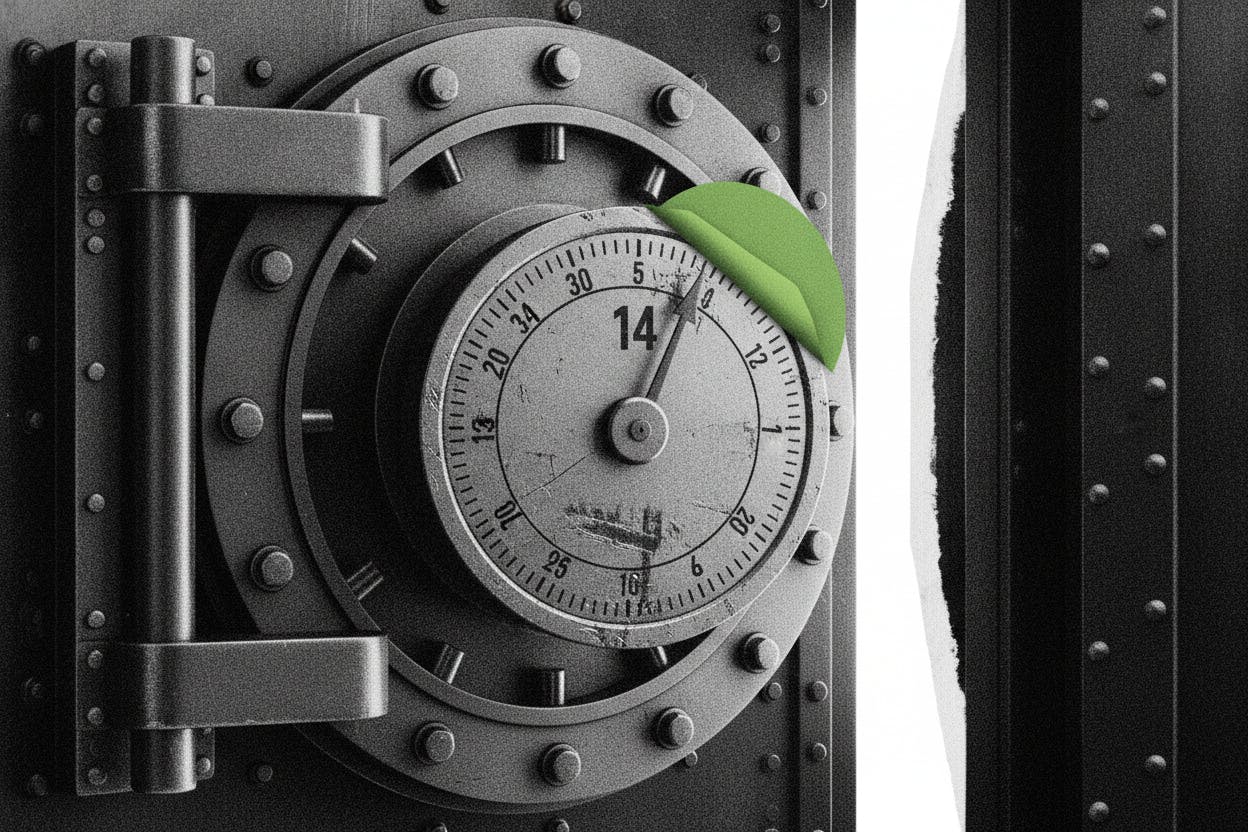
Brazil's central bank has lowered its benchmark interest rate for the fourth consecutive meeting, bringing the Selic rate down to 14%. But the country's biggest bank executives say that's still not enough. Leaders of Bradesco and Itaú, two of Brazil's largest private banks, are publicly calling for borrowing costs to fall back into single digits, arguing that current levels remain a heavy burden on households and a drag on economic growth.
The latest quarter-point cut, announced this week, follows a string of reductions as inflation cools and the economy shows signs of slowing. The central bank has signaled that future moves will depend on incoming data, but the message from the banking sector is clear: they want a faster and deeper easing cycle.
Why the banks are pushing for more cuts
Bradesco CEO Marcelo Noronha said he expects further reductions, arguing that the tight monetary policy has already done its job in bringing inflation down. His comments echo a broader sentiment among Brazilian bankers, who see high interest rates as a major obstacle to credit demand and consumer spending.
Itaú's leadership has similarly voiced frustration, noting that even after four cuts, the Selic rate remains far above what they consider neutral for the economy. For everyday Brazilians, the impact is direct: borrowing money for a car, a home, or a business expansion becomes significantly more expensive when rates are in the mid-teens.
The central bank's own inflation target is 3%, with a tolerance band of plus or minus 1.5 percentage points. Recent data shows inflation running at 4.52% over the 12 months through mid-July, which is closer to the target but still above it. That gives policymakers some room to ease, but they remain cautious about moving too quickly.
What this means for investors
For investors, the trajectory of Brazilian interest rates is one of the most important factors shaping the outlook for stocks, bonds, and the currency. Lower rates typically boost equity valuations, especially for growth-oriented companies, and reduce the appeal of fixed-income investments that have been offering very high yields.
Banks themselves are a key beneficiary of a healthier economy, as lower rates tend to stimulate lending and reduce default risks. Bradesco, for instance, has been on a profit streak driven by secured loan growth, and further rate cuts could support that momentum.
However, investors should note that the central bank is moving cautiously. The decision to cut by just 0.25 percentage points, rather than a larger step, suggests policymakers are wary of reigniting inflation. The bank has said its next move will be data-dependent, meaning future cuts are not guaranteed.
The broader picture
Brazil is not alone in navigating the tricky balance between supporting growth and controlling inflation. Central banks around the world are grappling with similar trade-offs. In the Czech Republic, for example, the central bank recently held rates steady but hinted at a possible hike in the autumn, reflecting different local conditions. Meanwhile, India's central bank has kept rates on hold while watching oil and food prices for inflation clues.
For Brazil, the key question is how quickly the Selic can fall without undermining the progress on inflation. The bank CEOs argue that the current rate, even after four cuts, is still too restrictive. They point to the real interest rate—the nominal rate minus inflation—which remains among the highest in the world. That makes borrowing expensive and encourages saving over spending, which can slow the economy.
On the other hand, the central bank must consider the risk that cutting too aggressively could weaken the currency or reignite price pressures. The recent easing in inflation has been welcome, but it is still above the midpoint of the target range.
What to watch next
Investors will be watching the central bank's next meetings closely, as well as any new inflation data. If inflation continues to trend toward the 3% target, the case for further cuts strengthens. But if price pressures re-emerge, the bank could pause or even reverse course.
For now, the message from Brazil's top bankers is that the economy needs lower rates to thrive. Whether the central bank agrees will determine the pace of easing and, ultimately, the health of the Brazilian economy and its financial markets.