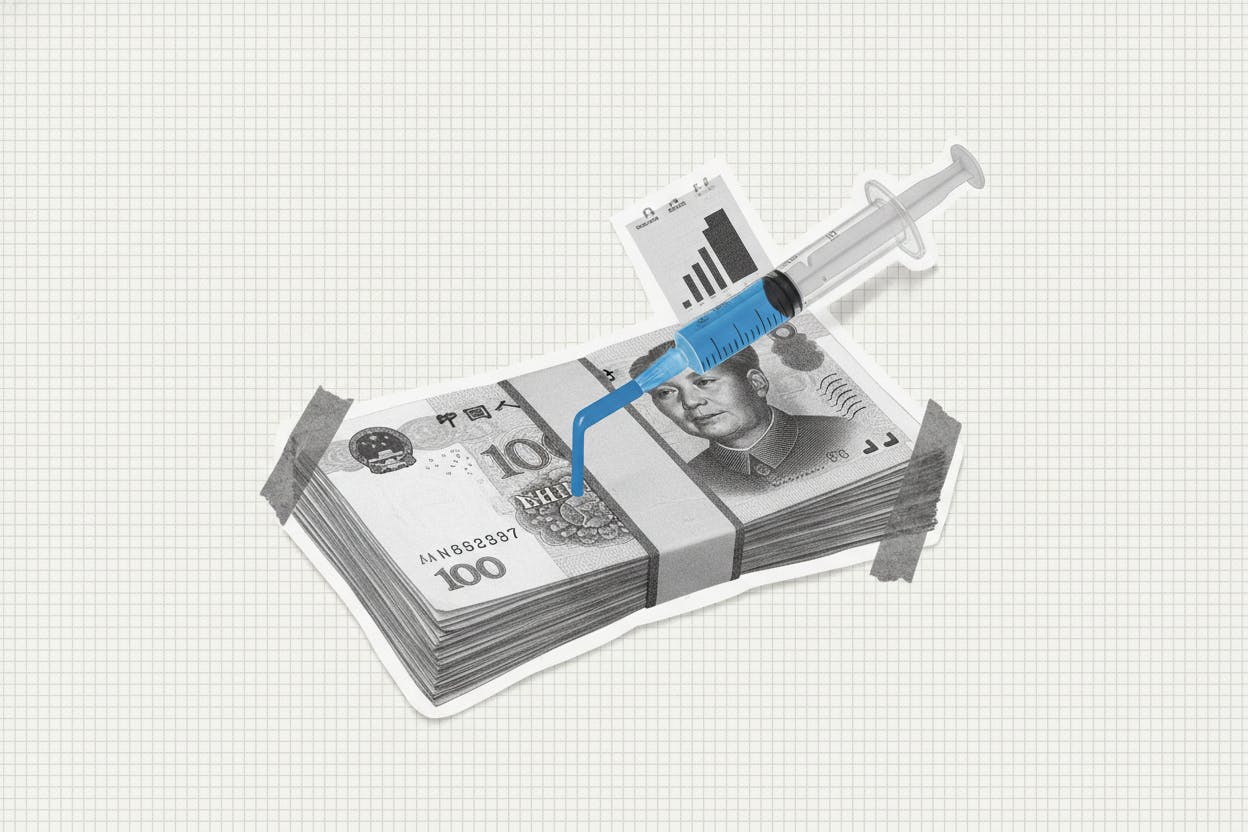
Brazil's central bank delivered another quarter-point rate cut on Wednesday, lowering its benchmark Selic rate to 14.00% as inflation cools and economic activity shows clearer signs of slowing. The decision, made unanimously by the bank's Monetary Policy Committee (Copom), extends an easing cycle that began in March. Yet the committee was careful not to promise another cut, saying the September meeting will be guided by incoming data.
What the decision means
The Selic rate is Brazil's main policy interest rate, the tool the central bank uses to influence borrowing costs across the economy. A cut makes loans cheaper, which can spur spending and investment, but it also risks reigniting inflation if done too quickly. By lowering the rate to 14.00%—still a very high level by global standards—the bank is signaling that it sees enough progress on inflation to begin loosening, but it remains cautious.
The Copom's statement stressed that policy will stay "adequately restrictive," meaning rates are still high enough to cool the economy. The committee said the size and timing of the next move will depend on how inflation and growth data evolve, rather than following a pre-announced schedule. This data-dependent approach gives the bank flexibility: if inflation surprises to the upside, it can pause; if the economy weakens faster, it can cut more aggressively.
Why the bank is easing now
Brazil's inflation rate has been on a downward trend, helped by falling food and energy prices and the lagged effect of previous rate hikes. At the same time, economic growth has slowed, with high borrowing costs weighing on consumer spending and business investment. This combination—cooler inflation and softer activity—is the classic setup for a central bank to start reducing rates.
The easing cycle that began in March has already delivered two cuts, and Wednesday's move brings the Selic to 14.00%. Still, that rate remains far above the central bank's official target, and policymakers have emphasized that they are not in a hurry to return to neutral. The bank's cautious tone mirrors that of other emerging-market central banks, which are balancing the need to support growth against the risk of stoking inflation.
What it means for investors
For everyday investors, the rate cut has several ripple effects. Lower interest rates typically reduce the yield on fixed-income investments like government bonds and certificates of deposit, which have been attractive in Brazil due to the high Selic. As rates fall, those yields will likely decline, prompting some investors to shift toward riskier assets like stocks or real estate.
Brazilian equities could benefit from cheaper borrowing costs, as companies face lower financing expenses and consumers have more disposable income. However, the market's reaction will depend on whether investors believe the central bank will continue cutting. The data-dependent language leaves room for disappointment: if inflation proves sticky, the bank could pause, and stocks might give back some gains.
For foreign investors, the rate differential between Brazil and developed markets like the US remains wide, which can support the Brazilian real. But that advantage narrows as the central bank cuts, potentially making Brazilian assets less attractive on a yield basis.
Looking ahead
The next Copom meeting is scheduled for September, and the decision will hinge on the inflation and growth data released between now and then. Key indicators to watch include monthly inflation prints, retail sales, and industrial production. If inflation continues to cool and activity weakens further, another cut is likely. If price pressures flare up—perhaps due to a weaker currency or higher commodity prices—the bank may hold steady.
Brazil's situation is not unique. Central banks around the world are wrestling with similar trade-offs. For instance, the Reserve Bank of India recently held rates while monitoring oil and food prices, and the Reserve Bank of Australia is expected to hold for an extended period. The common thread is caution: policymakers are reluctant to declare victory over inflation too soon.
For Brazilian households, the rate cut is a modest relief. Borrowers with variable-rate loans, such as some mortgages and business credit, will see slightly lower interest payments. But with the Selic still at 14%, borrowing costs remain steep, and the central bank's "adequately restrictive" stance suggests that relief will be gradual.
Investors should watch the data closely. The central bank's credibility depends on keeping inflation anchored, and any sign that price pressures are re-emerging could prompt a swift reversal. As always, diversification remains key—don't put all your eggs in one basket, whether that basket is Brazilian bonds, stocks, or cash.