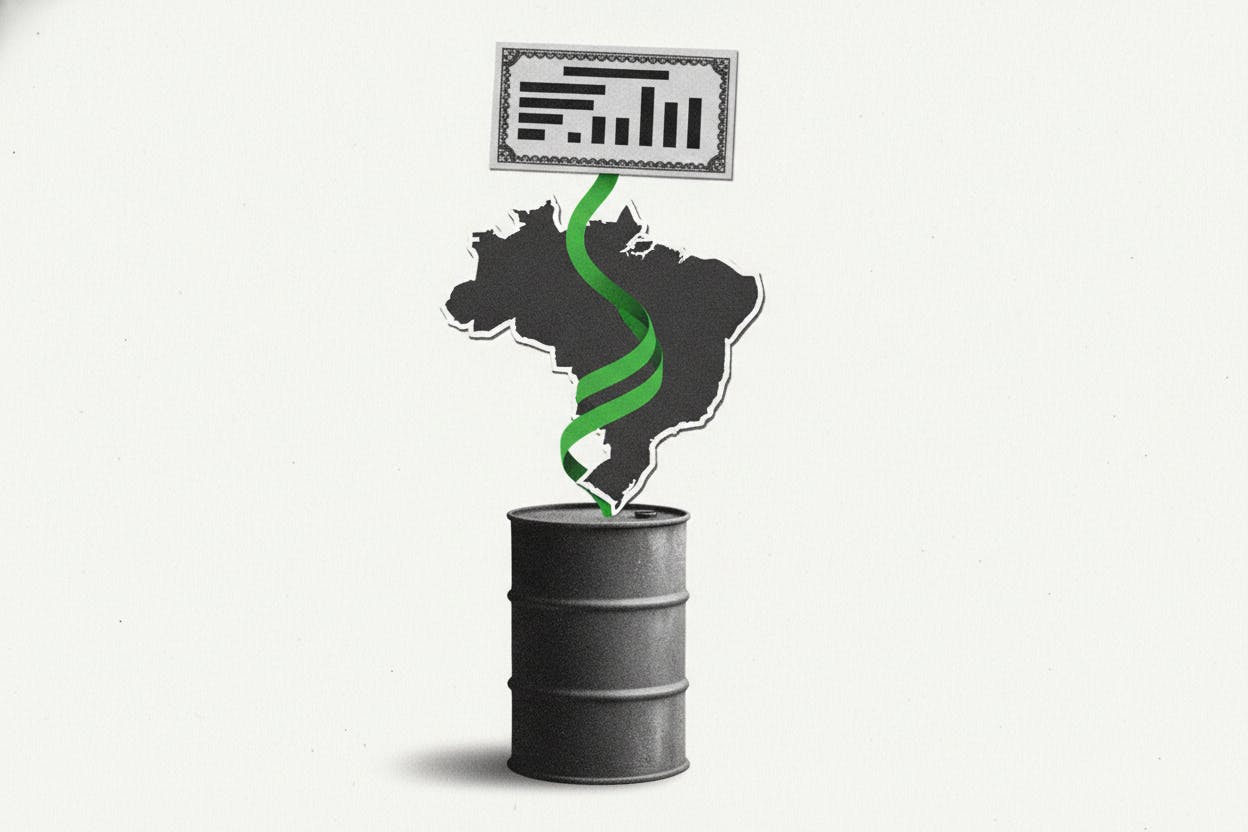
Latin American stocks mostly rose on Tuesday, even as elevated global bond yields kept the usual pressure on emerging-market assets. Leading the charge was Brazil's Bovespa, which stretched its winning streak to a 10th straight session, buoyed by state-controlled oil giant Petrobras after the company reported record July output.
Petrobras said its oil production reached 4.5 million barrels per day in July, a new all-time high. The news gave a strong lift to the company's shares, which carry heavy weight in the Bovespa index. As a result, Brazil's benchmark index managed to shrug off the broader headwind of high global yields that has been weighing on riskier assets worldwide.
Why high yields matter for emerging markets
Global bond yields have been climbing, with benchmark yields in major economies like the U.S. and Europe near multi-year highs. Higher yields on safe-haven government bonds make riskier assets—such as stocks in emerging markets—less attractive by comparison. They also tend to strengthen the dollar, which can put pressure on currencies and increase the cost of servicing dollar-denominated debt for developing nations.
That dynamic has been a recurring theme in recent weeks, as oil above $90 has pushed global bond yields to fresh highs. Rising energy prices feed into inflation expectations, prompting investors to demand higher yields on long-term bonds. The trend has been visible across markets, with European stocks sliding as oil and gas prices push bond yields higher.
Yet Latin American equities have shown resilience. Unlike many developed markets, the region's stock indices have managed to post gains even as yields climb. That resilience is partly due to the region's commodity exposure—higher oil prices are a boon for energy exporters like Brazil and Mexico—and partly due to relatively attractive valuations compared with U.S. tech stocks.
Petrobras and the oil factor
Petrobras is Brazil's largest company by market value and a key driver of the Bovespa. Its record output in July underscores the company's operational strength, even as it navigates political and environmental challenges. The company has been investing heavily in offshore pre-salt fields, which have helped boost production in recent years.
For investors, Petrobras's performance is closely tied to global oil prices. With oil above $90, the company's revenue and profits stand to benefit. However, the stock also carries risks, including government intervention in fuel pricing and potential regulatory changes.
The broader Latin American market has also been supported by high commodity prices. Countries like Brazil and Chile are major exporters of iron ore, copper, and agricultural products. When commodity prices rise, their terms of trade improve, which can boost corporate earnings and support local currencies.
What it means for investors
For everyday investors, the resilience of Latin American stocks in the face of high global yields is a notable sign. It suggests that the region's equity markets are not simply moving in lockstep with global trends. Instead, they are being driven by local factors—such as Petrobras's output record—that can provide a buffer against external pressures.
However, investors should be aware that high yields remain a risk. If global bond yields continue to climb, the pressure on emerging-market assets could intensify. Currency volatility is another factor to watch, as a stronger dollar can erode returns for foreign investors.
Diversification is key. While Latin American stocks have performed well recently, they are still subject to political and economic risks unique to the region. Brazil, for example, faces fiscal concerns and an upcoming election cycle that could introduce policy uncertainty.
For those looking to gain exposure, exchange-traded funds (ETFs) that track Latin American indices offer a way to spread risk across multiple countries and sectors. But as always, it's important to consider your own risk tolerance and investment horizon before making any decisions.
In the near term, investors will be watching whether the Bovespa can extend its winning streak further, and whether other Latin American markets can maintain their momentum. The path of global yields, and oil prices, will likely be decisive.



