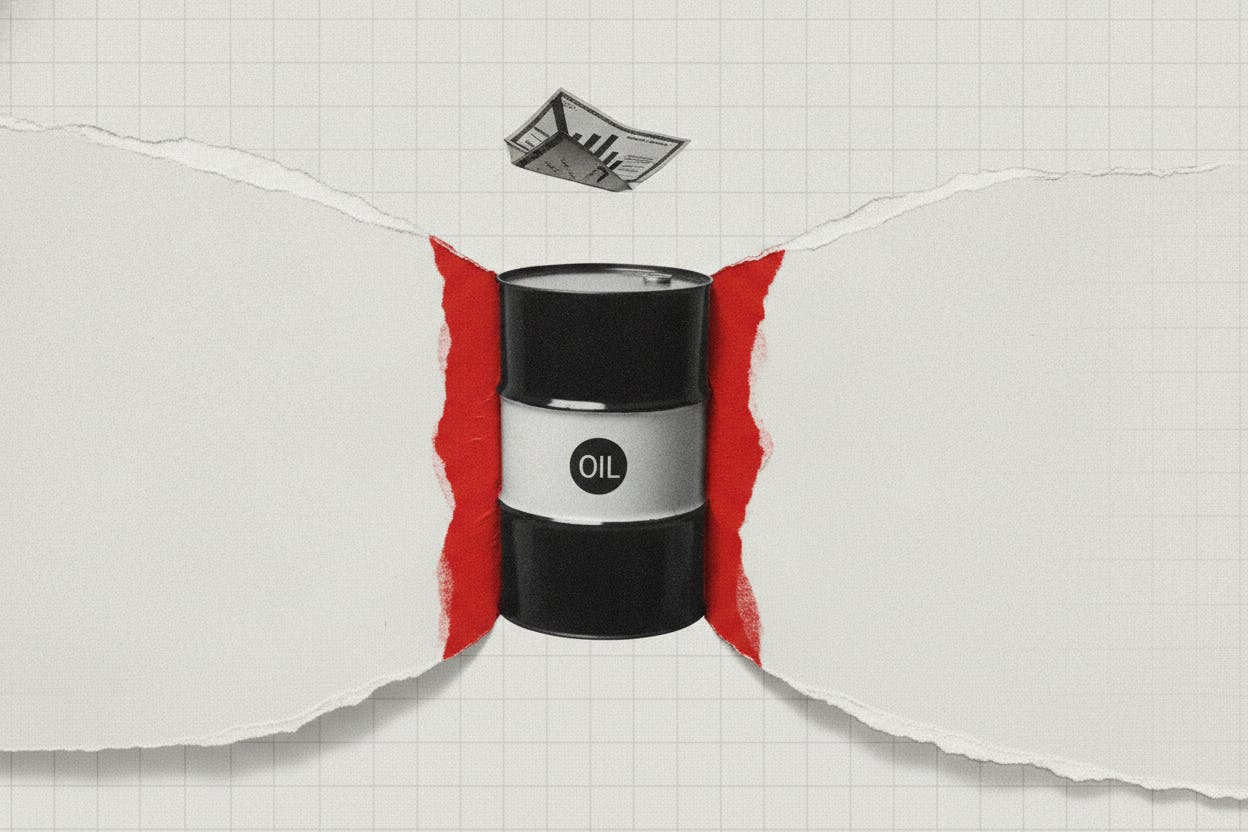
Oil prices stayed firm on Tuesday, with Brent crude hovering near $92 a barrel, as hopes for a quick reopening of the Strait of Hormuz faded. The move came after President Donald Trump ruled out further talks with Iran, dousing expectations that the critical shipping lane might soon return to normal.
At the same time, investors shifted money into traditional safe-haven assets, including US Treasuries, the Japanese yen, and Japanese government bonds. That rotation reflects growing anxiety about geopolitical risks and their potential impact on global markets.
Why the Strait of Hormuz Matters
The Strait of Hormuz is a narrow waterway between the Persian Gulf and the Gulf of Oman. Roughly one-fifth of the world's oil passes through it, making it one of the most important chokepoints for global energy supplies. Any disruption there can quickly push oil prices higher, as traders worry about supply shortages.
Recent tensions between the US and Iran have raised the risk of shipping disruptions in the region. Earlier reports of a strike on a tanker in the strait had already spiked prices, and oil climbed on those supply fears. Now, with Trump ruling out more talks, the market is pricing in a longer period of uncertainty.
Iran had previously rejected extending a US deal tied to Hormuz shipping, and oil prices rose on that news. The latest development removes a potential off-ramp, leaving traders to brace for a prolonged standoff.
Safe Havens in Demand
When geopolitical tensions rise, investors often seek safety in assets that are considered stable and liquid. US Treasuries are a classic choice because they are backed by the US government. The Japanese yen has long been a favored safe haven due to Japan's large current account surplus and the currency's historical stability. Japanese government bonds (JGBs) also attract buyers in times of stress.
The rotation into these assets suggests that market participants are not just worried about oil prices but about broader economic fallout. Higher energy costs can feed into inflation, which may influence central bank policy. For everyday investors, this means that a prolonged Hormuz disruption could have ripple effects beyond the energy sector.
Equity markets have already felt the strain. In Asia, the Nikkei dropped 2.5% as a Hormuz shipping halt lifted oil and yields, and Gulf stocks slipped as ship traffic nearly halted. These moves highlight how interconnected global markets are with energy supply routes.
What It Means for Investors
For ordinary investors, the key takeaway is that oil prices are likely to remain volatile as long as the Hormuz situation stays unresolved. Brent near $92 is already elevated, and any further escalation could push it higher. That has implications for fuel prices, transportation costs, and ultimately consumer prices.
Investors with diversified portfolios may see some cushioning from safe-haven assets like Treasuries, which tend to hold up when risk appetite falls. However, bonds and currencies can be complex, and their performance depends on many factors, including interest rates and inflation expectations.
It's also worth noting that not all energy companies are equally affected. While higher oil prices generally benefit producers, companies with project delays or operational issues may not see the same gains. For instance, Santos has held up despite project delays, but its outlook depends on its own execution.
For now, investors should watch for any new diplomatic developments, as well as data on oil inventories and shipping activity in the region. The situation remains fluid, and markets are likely to react sharply to any headlines.
In the meantime, the shift into safe havens is a clear signal that uncertainty is the dominant theme. Whether that persists will depend on whether the US and Iran find a way back to the table—or whether the standoff deepens further.