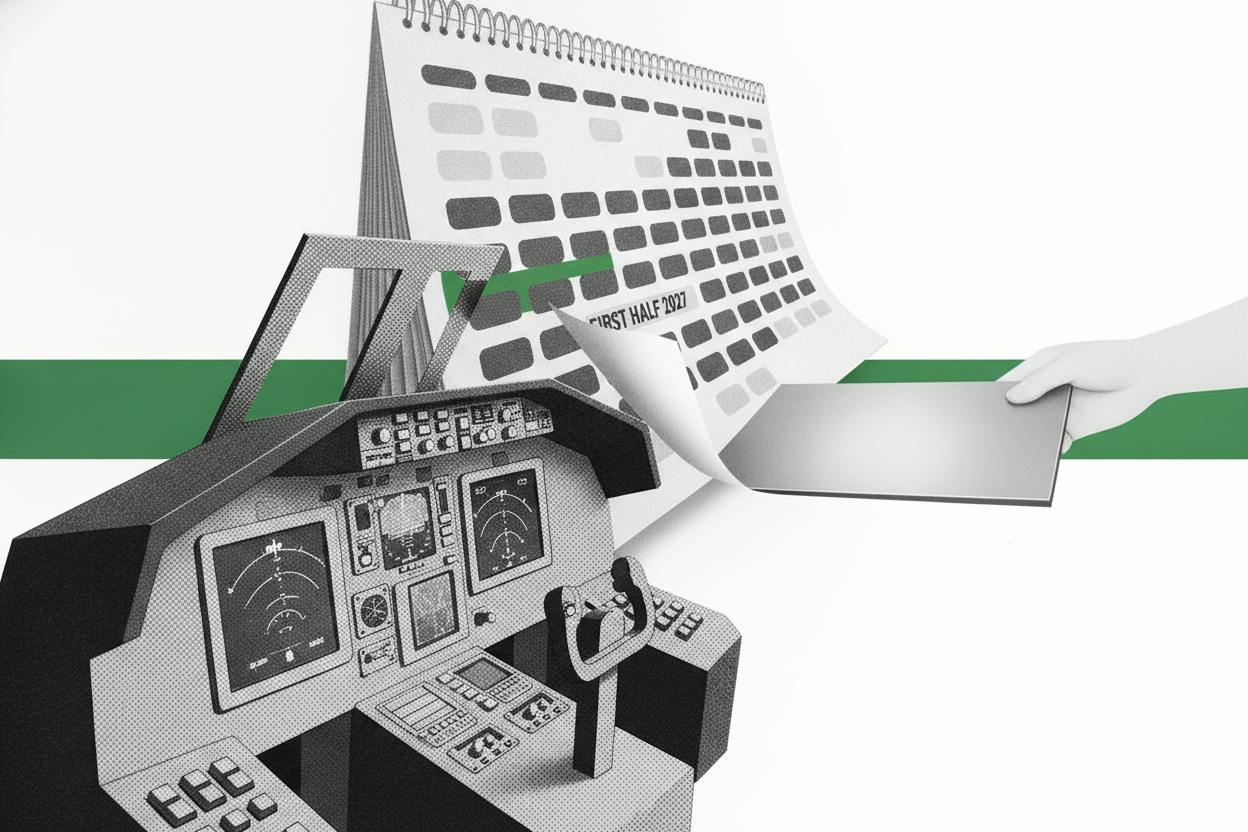
Canadian aviation training company CAE said Monday it has agreed to sell its airline operations software unit, Flightscape, to aviation technology firm SITA for $500 million. The deal is expected to close in the first half of 2027, and marks another step in CAE's effort to concentrate on its core simulation and training business.
What is Flightscape and why does it matter?
Flightscape provides software that helps airlines manage their day-to-day operations, such as flight planning, crew scheduling, and operational analytics. For airlines, these systems are critical for keeping flights on time and controlling costs. For CAE, however, the unit was a smaller piece of a much larger portfolio that centers on flight simulators and pilot training.
CAE is best known for building full-flight simulators used by airlines and pilot schools around the world, and for training thousands of pilots each year. That training business is capital-intensive and highly regulated, but it also tends to generate steady, recurring revenue. By selling Flightscape, CAE is essentially streamlining its operations to put more resources behind that core franchise.
Why is CAE selling now?
The sale comes as CAE has been reshaping its business over the past couple of years. The company has already divested other non-core assets, including its healthcare training unit, to reduce debt and sharpen its focus. Selling Flightscape for $500 million fits that pattern.
For SITA, the acquisition is a way to expand its portfolio of aviation technology services. SITA already provides communication and IT solutions to airlines and airports, so adding Flightscape's operations software strengthens its offering in the airline operations space.
The deal is still subject to regulatory approvals and other customary closing conditions, which is why the timeline stretches into 2027. Such deals often take months to finalize, especially when they involve cross-border operations and data-related assets.
What does this mean for investors?
For CAE shareholders, the sale provides a clear signal that management is committed to simplifying the business and paying down debt. The $500 million in proceeds could be used to reduce leverage, fund share buybacks, or invest in new simulator technology and training capacity. Investors often view such divestitures positively when they believe the remaining business is stronger and more focused.
It's also worth noting that the airline industry is facing cost pressures, as fuel costs outpace fare hikes, which could affect demand for both training and software. However, CAE's training business tends to be more resilient because airlines must keep pilots certified regardless of the economic cycle.
For everyday investors, the key takeaway is that CAE is making a strategic bet on its core strength. The company is betting that simulation and training will generate more value over the long term than a broader software portfolio. That's a reasonable bet, but it also means CAE's fortunes will be more closely tied to the health of the global aviation industry.
What to watch next
Investors will be watching for details on how CAE plans to use the proceeds from the sale. The company has not yet specified whether it will prioritize debt reduction, buybacks, or growth investments. Also, the long timeline to closing means there's still a chance the deal could be delayed or renegotiated, though that's not the base case.
In the meantime, CAE's core training business continues to benefit from long-term trends like pilot shortages and the need for airlines to train new pilots as fleets expand. The company also has a defense and security segment that provides simulation and training for military customers, which adds diversification.
For those interested in the broader aviation technology space, the deal highlights how airlines and their suppliers are increasingly relying on software to improve efficiency. But for CAE, the message is clear: it wants to be the leader in simulation and training, not in airline operations software.
Bottom line
CAE's sale of Flightscape to SITA for $500 million is a strategic move to sharpen its focus on its core simulation and training business. The deal, expected to close in the first half of 2027, will give CAE a cash infusion that could help strengthen its balance sheet and fund future growth. For investors, it's a sign that CAE is committed to simplifying its story and concentrating on what it does best.