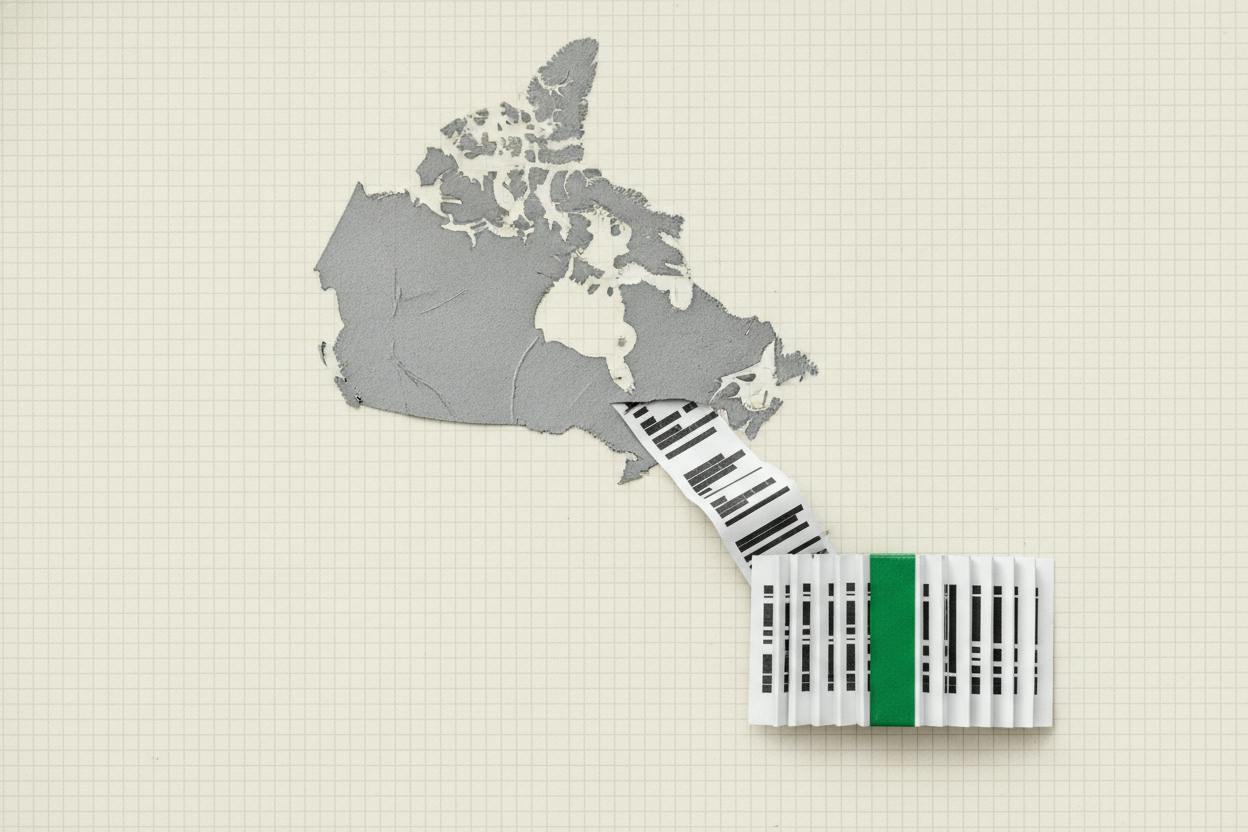
Canada's consumer insolvencies have been climbing from the rock-bottom levels seen during the pandemic, but a new analysis from BMO Capital Markets suggests the trend is not as dire as the raw numbers might suggest.
In a note released Wednesday, BMO Senior Economist Shelly Kaushik pointed out that once Canada's rapid population growth is taken into account, the per-person insolvency rate has actually returned to what she calls “pre-pandemic norms.” In other words, the increase in filings is more of a normalization than a sign of a new financial crisis.
What's driving the increase?
The headline number of insolvencies is rising, but the composition of those filings is shifting in a notable way. More households are now filing what are known as consumer proposals rather than outright bankruptcies.
A consumer proposal is a court-supervised agreement that lets a borrower renegotiate their repayment terms. Typically, the borrower agrees to pay back a portion of what they owe over a set period, while keeping more of their assets, such as a home or car. It's often seen as a less severe alternative to bankruptcy.
For lenders, this shift matters. A consumer proposal usually results in smaller losses than a bankruptcy, because the lender recovers a larger share of the outstanding debt. However, the recovery is spread out over time, which means the financial impact is recognized more slowly. BMO's takeaway is that while higher interest rates are clearly putting pressure on household budgets, the credit damage may be steadier and less abrupt than the rising filing count alone would suggest.
Why the numbers look worse than they are
Canada's population has grown at a record pace over the past couple of years, driven largely by immigration. That means the total number of insolvencies can rise simply because there are more people, even if the average household's financial health hasn't deteriorated. By looking at the rate per person, BMO's analysis strips out that population effect and shows that the underlying stress is roughly back to where it was before the pandemic.
This context is important for anyone watching the Canadian economy. The country has been dealing with the effects of higher interest rates, which have made borrowing more expensive and squeezed household budgets. But the BMO note suggests that the worst fears about a wave of consumer defaults may be overblown.
What it means for investors
For investors, the shift toward consumer proposals could soften the impact of rising insolvencies on banks and other consumer lenders. If more filings are proposals rather than bankruptcies, lenders may see higher recoveries on the debts they hold. That can influence how quickly they need to set aside money for loan losses, and how investors price the risk of Canadian consumer credit.
This is especially relevant as financial conditions remain tight. The Bank of Canada has held its key interest rate at elevated levels for some time, and while the next rate decision is in focus, the pressure on household budgets is unlikely to ease quickly. Some analysts, like those at UBS, even see the possibility of further rate hikes later this year, which would keep borrowing costs high.
The broader economic backdrop remains mixed. Canada's job market has been tightening, with job seekers facing tougher odds, and recent data showed payrolls rising for a fifth month while wage growth cools. These factors all feed into how households manage their debt.
For everyday investors, the key takeaway is that the insolvency numbers, while eye-catching, don't necessarily signal a looming crisis. The mix of filings matters, and the current trend suggests a more controlled adjustment rather than a sudden wave of defaults. As always, it's worth watching how these trends evolve in the coming months, especially if interest rates stay higher for longer.