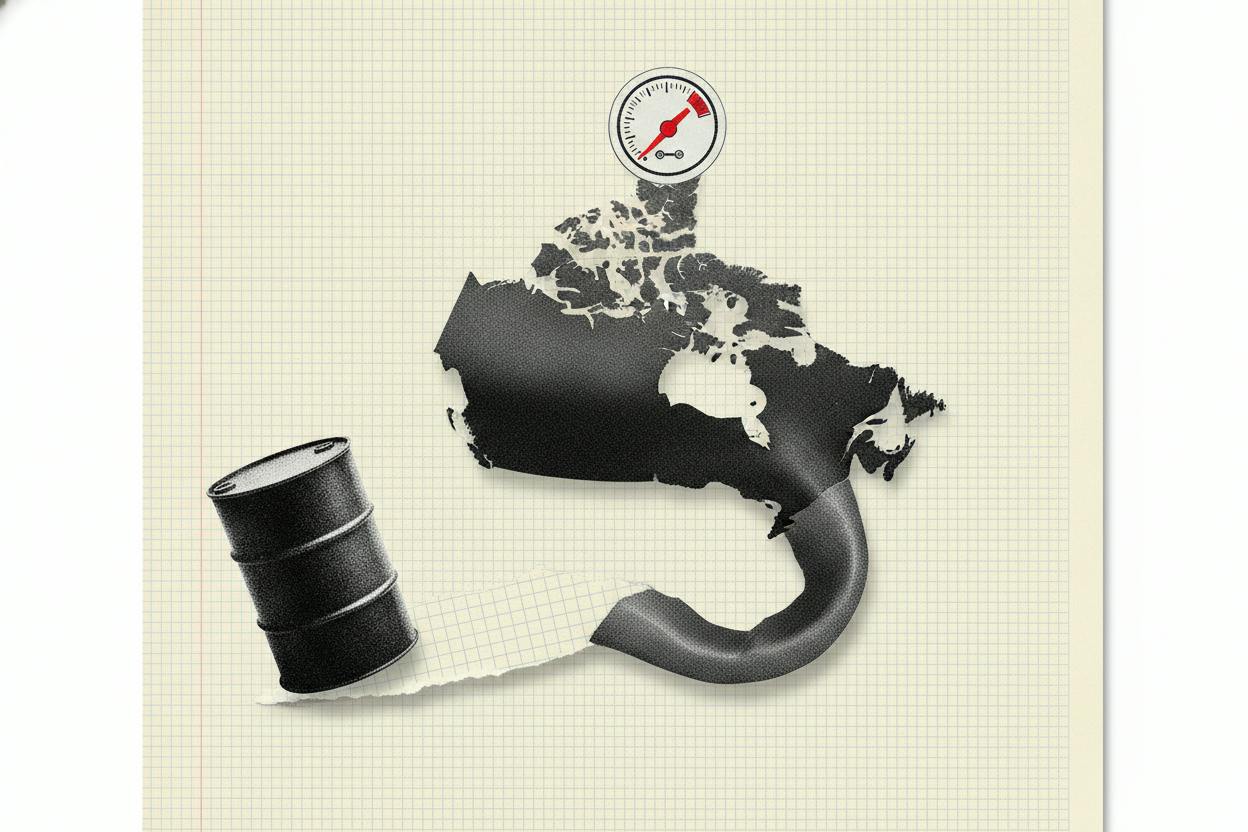
Canadian stock futures edged lower on Monday, tracking a pullback in oil prices as investors turned their attention to upcoming inflation data that could influence the Bank of Canada's next policy decision.
S&P/TSX futures slipped 0.16% in early trading, while Brent crude fell 1.3% from a five-month high. The retreat in oil came as traders locked in profits after a recent rally and as the supply outlook appeared less tight than previously feared.
Why oil matters for Canada
Energy is a heavyweight in the Canadian market, and oil prices have an outsized impact on the country's economy. A drop in crude can weigh on the earnings of energy companies, which make up a significant portion of the S&P/TSX index. It also feeds into headline inflation, as fuel costs ripple through the prices of goods and services.
For the Bank of Canada, oil is a key variable. When energy prices rise, they can push inflation higher, making it harder for the central bank to cut interest rates. Conversely, falling oil prices can ease inflationary pressures, giving policymakers more room to lower borrowing costs.
Governor Tiff Macklem has previously indicated that the bank is watching inflation closely and that future rate decisions will depend on incoming data. The September consumer price index report, due this week, is expected to be a critical input for the bank's next move.
What investors are watching
Traders are now focused on the inflation print, which will provide clues about whether price pressures are cooling enough for the Bank of Canada to begin cutting rates. A softer-than-expected reading could boost expectations for a rate cut, while a hot number might keep the bank on hold.
The market's reaction to the data could also spill over into other assets. A more dovish tone from the Bank of Canada could weigh on the Canadian dollar, while a hawkish surprise might support it. For equity investors, the key question is whether lower rates can offset the drag from weaker energy prices.
In the broader context, global markets are also digesting a mix of signals. European markets have been rattled by unrest in France, and investors are watching central bank meetings in other major economies. Meanwhile, China's economy grew faster than expected in the third quarter, though tech shares there slipped on concerns about AI spending.
What it means for investors
For everyday investors, the combination of falling oil prices and upcoming inflation data creates a mixed backdrop. Energy stocks, which have been a source of strength for Canadian portfolios, could face headwinds if crude continues to slide. On the other hand, lower inflation could pave the way for rate cuts, which historically have been supportive for equities and bonds.
It's important to remember that short-term market moves are often noisy. A single day's dip in futures doesn't necessarily signal a trend. Investors should focus on the longer-term picture and consider how their portfolio is positioned for different scenarios.
If the Bank of Canada does begin cutting rates, that could benefit interest-rate-sensitive sectors like real estate and utilities, while potentially hurting the financial sector if net interest margins compress. Energy investors, meanwhile, will be watching global supply and demand dynamics closely.
As always, diversification remains a key principle. Holding a mix of asset classes can help cushion against the volatility that often accompanies major economic data releases.
The inflation report is due later this week, and its impact on the Bank of Canada's decision will be closely scrutinized. Until then, expect markets to remain cautious, with oil prices and rate expectations driving the tone.



