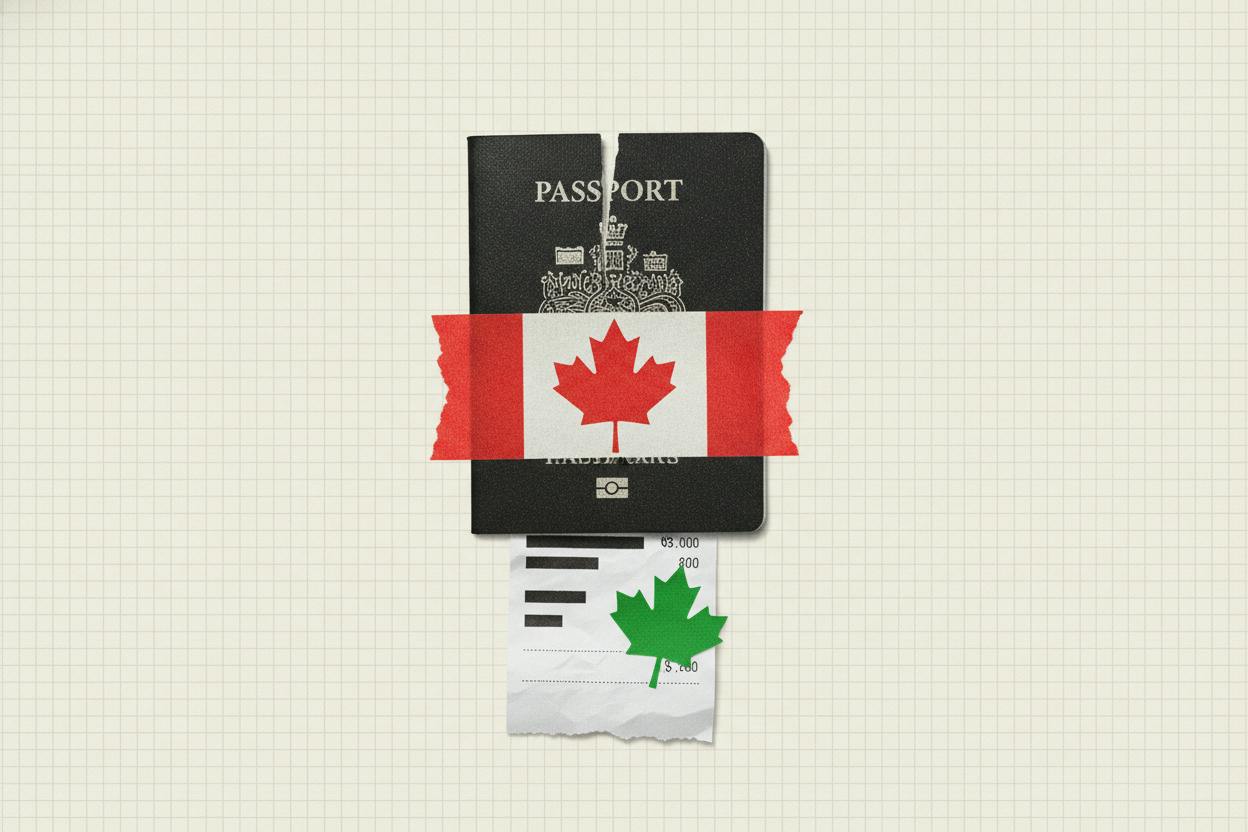
Canadians are heading into the holiday season with tighter budgets and a stronger preference for homegrown products, according to a new survey from PwC. The consulting firm found that shoppers plan to spend an average of CA$1,487 this holiday season, down 11% from last year. The pullback comes as many households continue to feel the pinch of higher living costs and lingering economic uncertainty.
But the survey also reveals a notable shift in shopping habits: fewer Canadians are planning trips across the border to shop in the United States, and a majority say they are willing to pay more for Canadian-made goods. Specifically, 54% of respondents said they would pay a premium for products made in Canada, a sign that patriotism is playing a bigger role in holiday purchasing decisions.
What's behind the spending cut?
PwC's data suggests that Canadians are not skipping the holiday season altogether—they're simply being more selective about where their money goes. Planned travel spending is set to fall 14% as more people choose to stay closer to home, avoiding the cost and hassle of cross-border shopping trips. This aligns with a broader trend of consumers prioritizing experiences and local options over traditional holiday splurges.
The spending decline is widespread, with most provinces expecting lower outlays compared to last year. Quebec stands out as the exception, where spending plans are flat. That regional resilience could reflect differences in local economic conditions or consumer sentiment.
Households with children are expected to be the biggest spenders, planning to shell out nearly twice as much as those without kids. Their budgets are tilting toward experiences and screen-free activities, suggesting that families are looking for meaningful ways to celebrate without relying on expensive gadgets or lavish gifts.
Why 'Buy Canadian' matters
The emphasis on Canadian-made products is more than a feel-good gesture; it has real economic implications. When consumers choose domestic goods, the money stays within the local economy, supporting Canadian manufacturers, retailers, and workers. This can be particularly important during a period when the Canadian dollar has weakened and cross-border shopping becomes less attractive.
For investors, the trend could benefit companies that emphasize domestic production or source materials locally. Retailers that stock Canadian-made items may see a boost in foot traffic and sales, especially if they can effectively market their products' origins. However, it's important to note that not all Canadian-made goods are priced competitively, and the willingness to pay a premium has limits.
The shift also comes at a time when the broader economy is showing mixed signals. While some sectors, like auto sales, have been resilient, others are feeling the strain of higher interest rates and inflation. The Bank of Canada's rate hikes have made borrowing more expensive, which can dampen consumer spending, especially on big-ticket items.
What it means for investors
For everyday investors, the PwC survey offers a snapshot of consumer sentiment that can inform decisions about retail and consumer discretionary stocks. A pullback in spending could pressure companies that rely heavily on holiday sales, particularly those in the apparel, electronics, and travel sectors. On the other hand, businesses that cater to the 'Buy Canadian' movement or offer value-oriented products might be better positioned.
It's also worth watching how the trend affects cross-border retailers. With fewer Canadians planning US shopping trips, American retailers that depend on Canadian foot traffic could see a dip in sales. Conversely, Canadian retailers that have struggled to compete with US prices might find some relief.
The survey's findings on family spending are another point of interest. Households with children are planning to spend significantly more, which could benefit companies that sell toys, games, and family-friendly experiences. The emphasis on screen-free activities suggests a potential shift away from electronics and toward traditional gifts and outings.
Finally, the regional variation—with Quebec holding steady—highlights that consumer behavior is not uniform across the country. Investors with exposure to specific provinces or regional retailers should consider these differences when evaluating their portfolios.
As the holiday season approaches, all eyes will be on actual retail sales data to see if these intentions translate into real spending. For now, the PwC survey paints a picture of cautious, patriotic consumers who are ready to celebrate—but on their own terms.