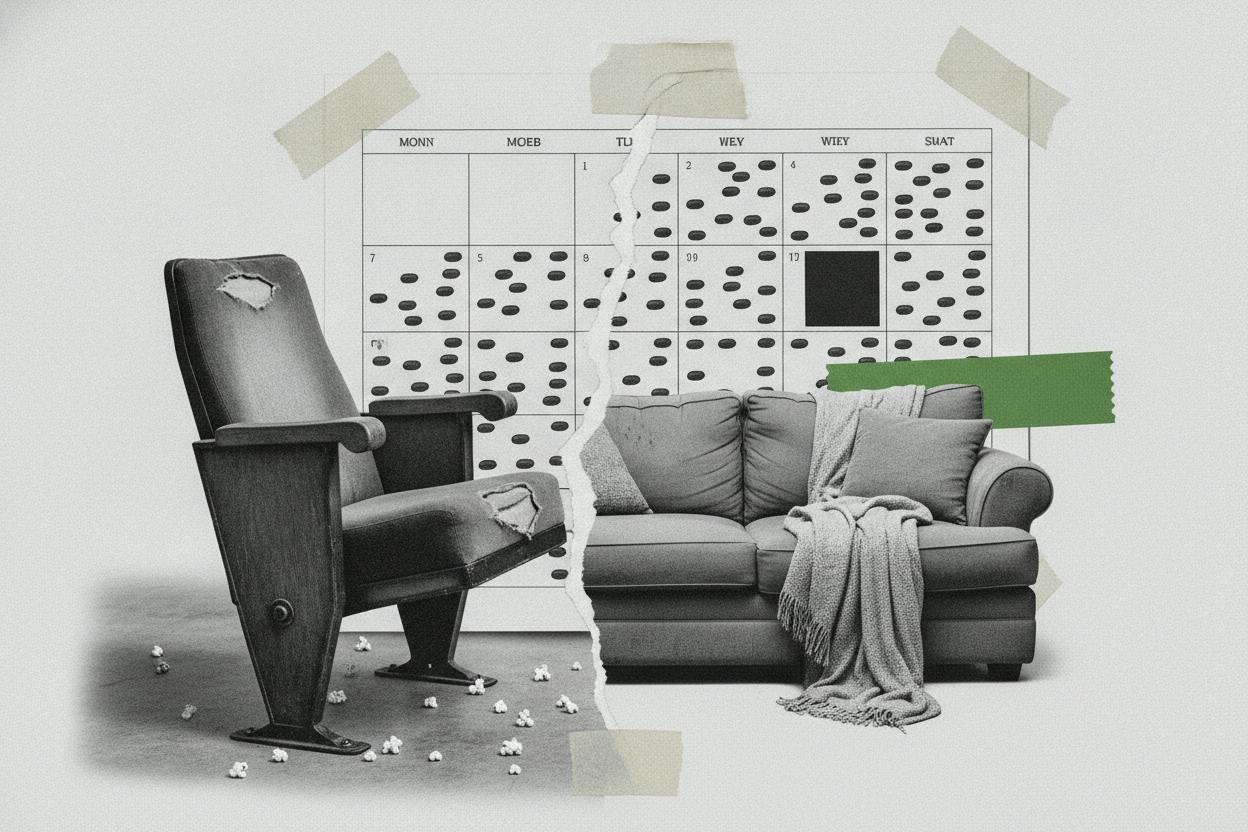
When you weigh the cost of a cinema ticket against a streaming subscription, you're comparing two very different products. Both deliver entertainment, but they fit into your life in distinct ways. A night at the movies is an event—the film, the big screen, the shared experience with friends or family. A streaming service, by contrast, quietly slots into an ordinary Tuesday evening, bringing a favorite series to your living room without any planning or travel.
That difference in role is key to understanding what makes each worth its price. And new data from Deloitte's 2025 Digital Media Trends report, based on a survey of 3,595 US consumers in October 2024, shows just how entrenched streaming has become. More than half of respondents—53%—said they used their subscription streaming services more often than any other paid media or entertainment option.
Streaming's daily dominance
Streaming has become the default for many households. It's not just about the cost—though a monthly subscription often costs less than a single cinema ticket for a family. It's about convenience and habit. You don't need to check showtimes, dress up, or drive anywhere. The content is there, waiting, whenever you have a spare hour.
That convenience is a powerful draw. The Deloitte figure suggests that for most consumers, streaming has earned its place in their weekly routine. It's the background to dinner, the wind-down after work, the weekend binge. For many, it's simply the most-used paid entertainment they have.
But that doesn't mean cinemas are obsolete. The report's finding highlights a shift in how we value entertainment, not a wholesale rejection of the big screen. A cinema ticket can still be worth its price—not because it's a better deal per hour, but because it offers something a subscription can't: a deliberate, shared, and immersive experience.
What a cinema ticket actually buys
Think about what you're paying for when you buy a ticket. You're paying for the film, yes, but also for the setting—the sound system, the darkness, the absence of distractions. You're paying for the company, whether that's a date night, a family outing, or a group of friends. These are things a streaming service, for all its convenience, cannot replicate.
That's why comparing the two purely on price misses the point. A streaming subscription is a utility—always on, always available. A cinema ticket is an occasion. The value of each depends on what you're looking for. If you want to keep up with a series or watch a new release without leaving home, streaming is hard to beat. If you want to make an evening feel special, the cinema has a unique appeal.
For investors, this distinction matters. Entertainment companies are increasingly trying to do both—offering streaming services while also investing in theatrical releases. The success of that strategy depends on whether consumers continue to see cinema and streaming as complementary, not competing, options.
What it means for your money
For everyday investors, the takeaway is about understanding where your entertainment dollars go. The Deloitte data suggests that streaming has become a staple—something most people use regularly and are willing to pay for month after month. That's a stable revenue stream for the companies that own these services, which is one reason media stocks have increasingly been valued on their streaming subscriber numbers.
Cinema, on the other hand, is more cyclical. It depends on big releases, consumer confidence, and the willingness to spend on experiences. When times are tight, people may cut back on nights out but keep their streaming subscriptions. That's a pattern that has played out in past economic downturns.
So when you're deciding what's worth paying for, think about the job each purchase does. If you're a frequent moviegoer who values the experience, a ticket can be money well spent. If you're someone who watches a little bit every day, a subscription is likely to be the better value. Neither is inherently right or wrong—it's about what fits your habits and your budget.
As the media landscape evolves, companies will keep trying to balance these two worlds. For investors, watching how consumer preferences shift—whether streaming growth slows or cinema attendance rebounds—can offer clues about which companies are best positioned. But for now, the data is clear: streaming has a firm place in daily life, while cinema remains a special treat. Both can be worth paying for, depending on what you're buying.