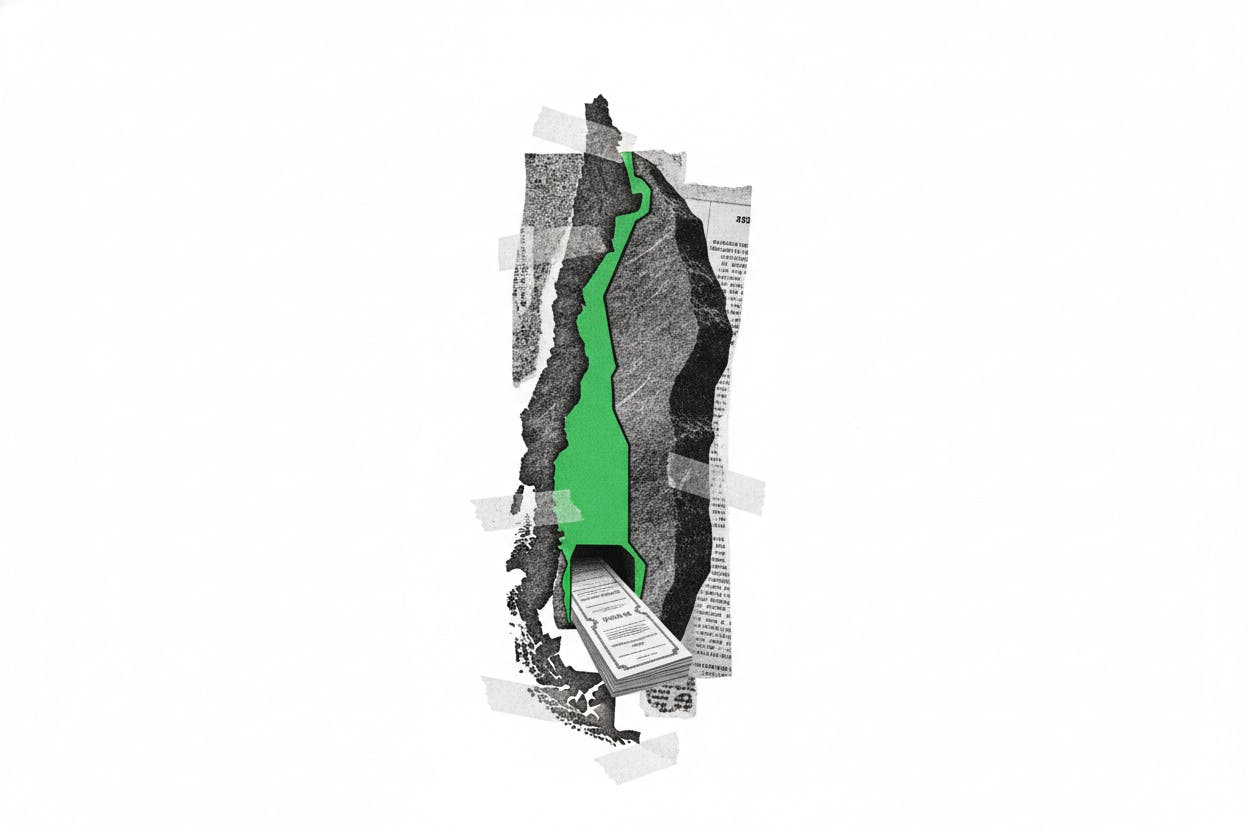
SANTIAGO — Chile, the world's largest copper producer and a key player in lithium, is proposing a new law that would make it easier for small mining companies to raise money for high-risk exploration. The bill would create a lighter regulatory track and offer tax breaks for "junior" explorers, with officials pitching the plan as a way to attract more foreign capital into copper and lithium projects.
Junior miners are small companies that focus on finding new mineral deposits, rather than operating large, established mines. They are the exploration arm of the mining industry, taking on the highest risk in the hope of discovering the next big copper or lithium deposit. But that risk often makes it hard for them to attract funding, especially in a country where capital markets are less developed than in Canada or Australia, two other major mining hubs.
Why Chile is acting now
Chile's economy is heavily dependent on mining, and copper alone accounts for a large share of its exports. The government has been looking for ways to boost investment in the sector, especially as global demand for copper and lithium is expected to rise sharply in the coming years due to the transition to electric vehicles and renewable energy. Lithium is a key ingredient in batteries, and copper is essential for wiring and electrical components.
The proposed bill is part of a broader effort to modernize Chile's capital markets and make them more attractive to international investors. By offering a lighter regulatory path and tax incentives, the government hopes to encourage junior explorers to list and raise funds in Santiago, rather than heading to Toronto or Sydney, where mining exploration is more commonly financed.
This move comes at a time when Chile's central bank has been grappling with inflation and economic growth concerns. In a separate development, the central bank recently cut its growth forecast again, while inflation has accelerated, complicating the outlook for interest rates. A stronger mining sector could help support the economy, but it also depends on global commodity prices, which have been volatile.
What the bill would do
Under the proposed legislation, junior exploration companies would face fewer regulatory hurdles when raising capital. That could mean simplified disclosure requirements, faster approval processes, or lower listing fees. The bill also includes tax breaks, which would reduce the cost of investing in these risky ventures.
For foreign investors, the appeal is clear: Chile offers some of the world's richest copper and lithium deposits, and the new rules could make it easier to get a piece of that action. But the risks are also significant. Exploration is a gamble — many junior miners never find a commercially viable deposit, and investors can lose their entire stake.
Officials are betting that the combination of lighter regulation and tax incentives will tip the balance for enough investors to make a difference. They are also hoping to tap into the growing global interest in critical minerals, which are seen as strategic resources for the energy transition.
What it means for investors
For everyday investors, this is a story about how governments try to steer capital toward industries they consider important. Chile is essentially saying: we want more money flowing into early-stage mining, and we're willing to make it easier and cheaper for you to do that.
If the bill passes, it could create new opportunities for investors who are willing to take on high risk in exchange for potentially high rewards. Junior mining stocks are notoriously volatile, and they can be affected by everything from commodity prices to political developments to the success or failure of a single drill hole.
But it's also worth noting that Chile is not the only country trying to attract mining investment. Other jurisdictions, like Canada and Australia, have long been friendly to junior explorers, and they have deep pools of mining-savvy investors. Chile will need to compete with those markets, and it's unclear whether the proposed incentives will be enough to shift the balance.
For now, the bill is still a proposal, and it will need to go through Chile's congress before it becomes law. Investors who are interested in the sector should watch for updates on the legislative process, as well as any changes to the country's mining regulations or tax code.
In the meantime, the broader picture for mining investors remains tied to global commodity prices and the pace of the energy transition. Copper and lithium are both expected to see strong demand growth in the coming decades, but prices can be unpredictable in the short term. As always, diversification and a clear understanding of the risks are key.
Chile's push to fund risky new mining finds is a reminder that government policy can play a big role in shaping investment opportunities. For those who are willing to take on the risk, the country's mineral wealth could offer a compelling long-term story.