Swiss stocks extended their losing streak on Wednesday, with the benchmark SMI index falling 1.8% for a third consecutive session. The decline came as investors weighed fresh US military strikes linked to Iran and signals that a return to diplomacy could take longer than hoped.
With little domestic economic data to guide trading, geopolitics took center stage. Reports of new US strikes near Kharg Island—a key Iranian oil-export hub—added to concerns about supply disruptions in the Middle East. At the same time, tougher rhetoric from officials suggested that any resumption of talks might be delayed, keeping uncertainty elevated.
What's driving the sell-off?
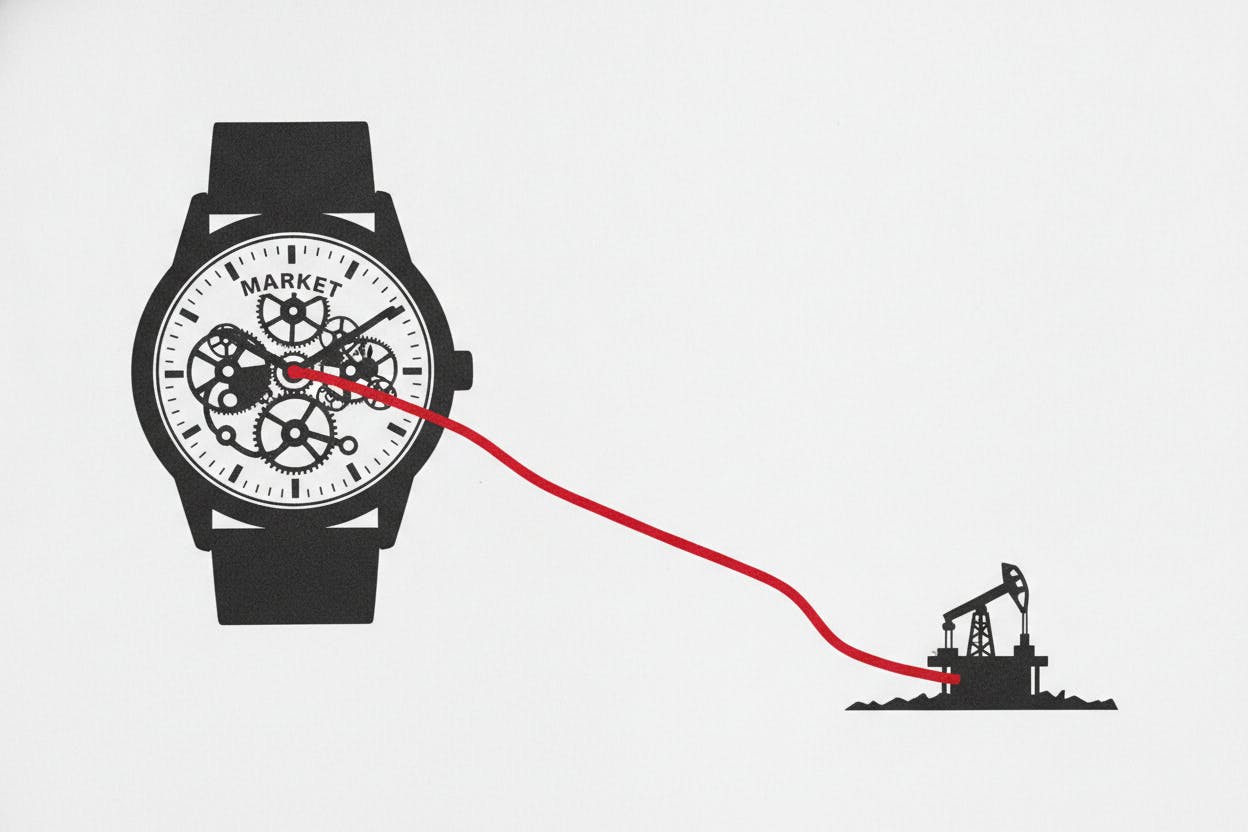
The SMI's slide reflects a broader shift in investor sentiment. According to ING, a Dutch bank, traders are now demanding extra compensation—a so-called "risk premium"—for holding risk assets like stocks, given the heightened geopolitical uncertainty. This premium is essentially the extra return investors require to take on the risk of a sudden escalation in the region.
Oil prices have been a key barometer of this tension. As Brent crude has climbed back toward $100 a barrel, markets have grown more cautious. Higher energy costs can squeeze corporate margins and weigh on consumer spending, which is why stock markets often react negatively to rising oil prices.
The Swiss market, with its heavy weighting in defensive sectors like healthcare and consumer staples, is not immune to these global shifts. Even traditionally stable stocks have been caught up in the broader risk-off mood.
What it means for investors
For everyday investors, the key takeaway is that geopolitical events can move markets quickly and unpredictably. The current sell-off is a reminder that even well-diversified portfolios can experience short-term volatility when global risks flare up.
Investors should also watch how oil prices evolve. If tensions continue to push crude higher, it could feed into inflation, which in turn might influence central bank policy. The European Central Bank and the US Federal Reserve are both navigating a delicate balance between taming inflation and supporting growth.
Swiss investors, in particular, may look to the safe-haven status of the Swiss franc. Historically, the franc has tended to strengthen during periods of global uncertainty, which can provide some cushion for Swiss-based investors with international exposure.
Broader market context
The SMI's decline is part of a wider trend across global markets. Similar moves have been seen in other regions, as investors reassess risk in light of Middle East tensions. For instance, European stocks slipped as Brent crude returned to $100 ahead of key central bank decisions, while Japan's Nikkei also slipped as oil neared $100 on Middle East attacks.
In the US, oil surged past $93 on Middle East attacks, dragging stocks lower. The ripple effects are being felt across asset classes, from equities to commodities. Copper, for example, has retreated from record highs as oil topped $100, reflecting a broader shift in risk appetite.
What to watch next
Investors will be closely monitoring any developments in the Middle East, particularly around oil infrastructure and diplomatic efforts. A de-escalation could quickly reverse the risk premium, while further escalation could push markets lower.
Also on the horizon are central bank meetings. With inflation still above targets in many economies, policymakers may be forced to keep interest rates higher for longer, which could add further pressure on stock valuations.
For now, the message from the market is clear: geopolitical risk is back on the table, and investors are demanding a higher price for bearing it. As always, staying diversified and keeping a long-term perspective are prudent strategies in times of uncertainty.