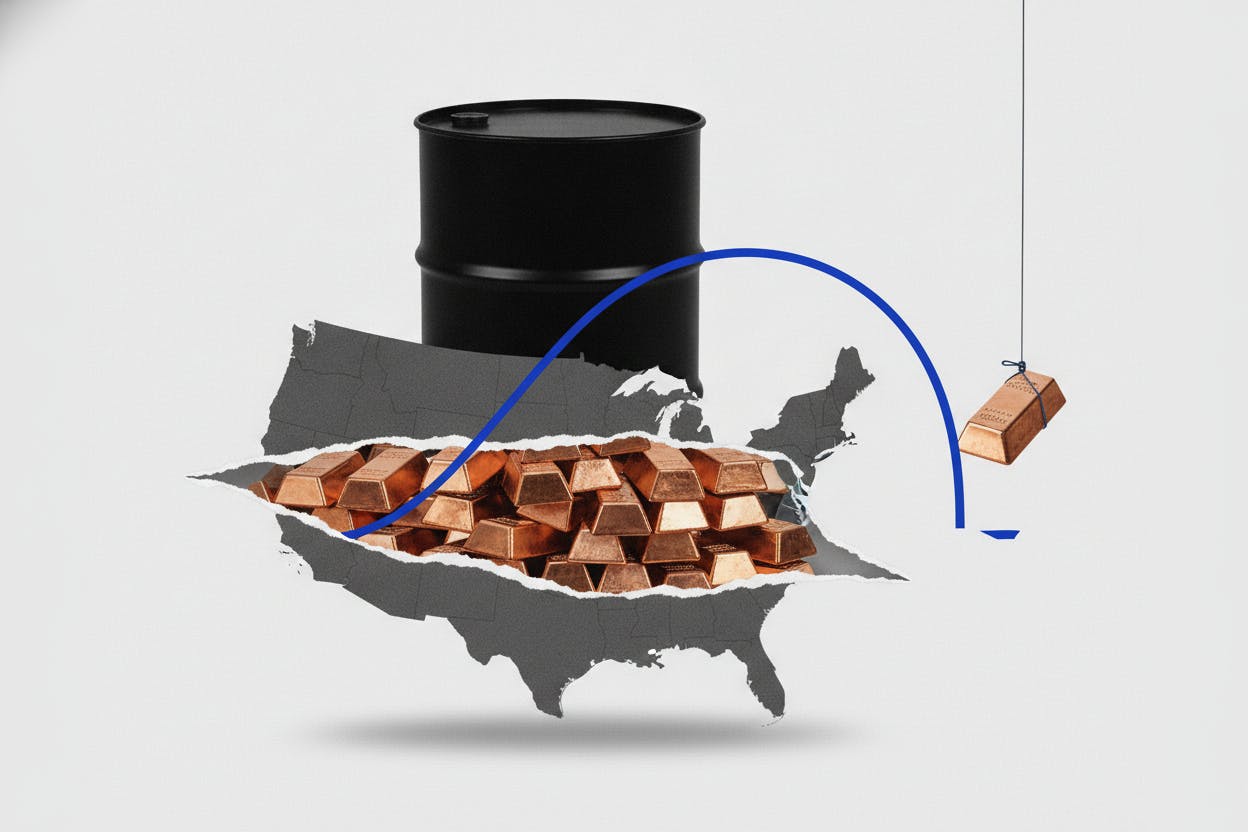
Copper prices pulled back from an all-time high on the London Metal Exchange (LME) on [day], as a fresh spike in oil prices above $100 a barrel and escalating Middle East tensions prompted investors to lock in profits and reassess risk. The retreat underscores how quickly sentiment can shift in commodity markets when geopolitical headlines collide with lingering inflation concerns.
What happened
After a sustained rally that pushed copper to record levels, the metal eased as traders grew cautious. The trigger: oil surged past the $100 mark, a level not seen in recent months, as attacks in the Middle East raised fears of supply disruptions. That move rippled through markets, reminding investors that energy costs and geopolitical instability can quickly alter the outlook for industrial metals.
Copper, often called "Dr. Copper" for its ability to signal economic health, had been riding high on expectations of strong demand from electrification, renewable energy, and infrastructure spending. But the latest oil spike adds a new layer of uncertainty. Higher energy prices can squeeze profit margins for manufacturers and push up inflation, which in turn could prompt central banks to keep interest rates higher for longer—a headwind for economic growth and, by extension, copper demand.
Why oil matters for copper
The link between oil and copper may not be obvious at first glance, but it is important. Oil is a key input for many industries, from transportation to plastics. When crude prices jump, production costs rise across the board. That can slow economic activity and dampen demand for raw materials like copper.
At the same time, higher oil prices feed directly into inflation. Central banks, already battling sticky price pressures, may see this as a reason to keep monetary policy tight. That would make borrowing more expensive for companies and consumers, potentially cooling the very sectors that drive copper consumption, such as construction and manufacturing.
The current situation is a classic case of geopolitics colliding with macroeconomics. As oil prices have climbed on Middle East attacks, investors have grown wary of a repeat of past energy shocks. The recent move past $100 is a stark reminder that supply risks remain elevated.
What it means for investors
For everyday investors, the pullback in copper and the surge in oil are signals worth watching. Commodity prices often move in tandem with global growth expectations and inflation. When they swing sharply, it can affect everything from your utility bills to the value of your retirement portfolio.
If you hold shares in mining companies, a copper retreat could weigh on their earnings, as we saw with record copper prices lifting BHP and Rio Tinto recently. Conversely, energy stocks might benefit from higher oil prices, though that can be offset by broader market jitters.
For those with diversified portfolios, the key takeaway is that commodity volatility is a normal part of the cycle. Gold has also been rising as investors seek safe havens, a classic response to geopolitical stress. Meanwhile, Asian markets have slipped as oil neared $100, showing how interconnected global markets are.
The bigger picture
Copper's record run was built on a solid foundation of long-term demand trends. The metal is essential for electric vehicles, solar panels, wind turbines, and grid upgrades—all central to the global push for cleaner energy. That structural story remains intact, even if short-term price swings cause some turbulence.
But the immediate path is clouded by two forces: geopolitics and inflation. If Middle East tensions escalate further, oil could stay elevated, keeping inflation pressures alive and forcing central banks to remain hawkish. That would be a double blow for copper, as it would slow growth and strengthen the dollar, which tends to weigh on dollar-priced commodities.
On the other hand, if tensions ease and oil retreats, copper could resume its upward trajectory. Investors will be watching for any signs of de-escalation, as well as upcoming economic data that could influence central bank policy.
What to watch next
For those following the story, the key indicators are:
- Oil prices: Whether Brent crude holds above $100 or pulls back will signal how much risk premium remains in the market.
- Middle East headlines: Any escalation or ceasefire will move markets quickly.
- Inflation data: Upcoming reports will show whether higher energy costs are feeding through to consumer prices.
- Copper inventories: LME warehouse stocks can indicate whether physical demand is keeping pace with supply.
For now, the message is one of caution. Commodity markets are reacting to a volatile mix of geopolitics and macroeconomics, and that volatility is likely to continue. Investors should brace for more swings, but also remember that long-term trends in electrification and energy transition remain powerful drivers for copper.