China's economy showed further signs of softening in July, as official data released this week revealed sluggish consumer spending and slowing factory activity. Retail sales rose just 0.6% from a year earlier, while industrial output growth slowed to 4.5%. The urban unemployment rate ticked up to 5.2%, adding to concerns about the health of the world's second-largest economy.
Despite the weak numbers, China's National Bureau of Statistics (NBS) struck an upbeat tone, describing the economy as "generally stable" and emphasizing a shift toward innovation-led growth. At the same time, officials acknowledged that demand is not keeping pace with what factories and businesses can supply, calling the supply-demand imbalance "still acute." They also pointed to a "complex and volatile" global environment and operational strain at some companies.
What's behind the numbers?
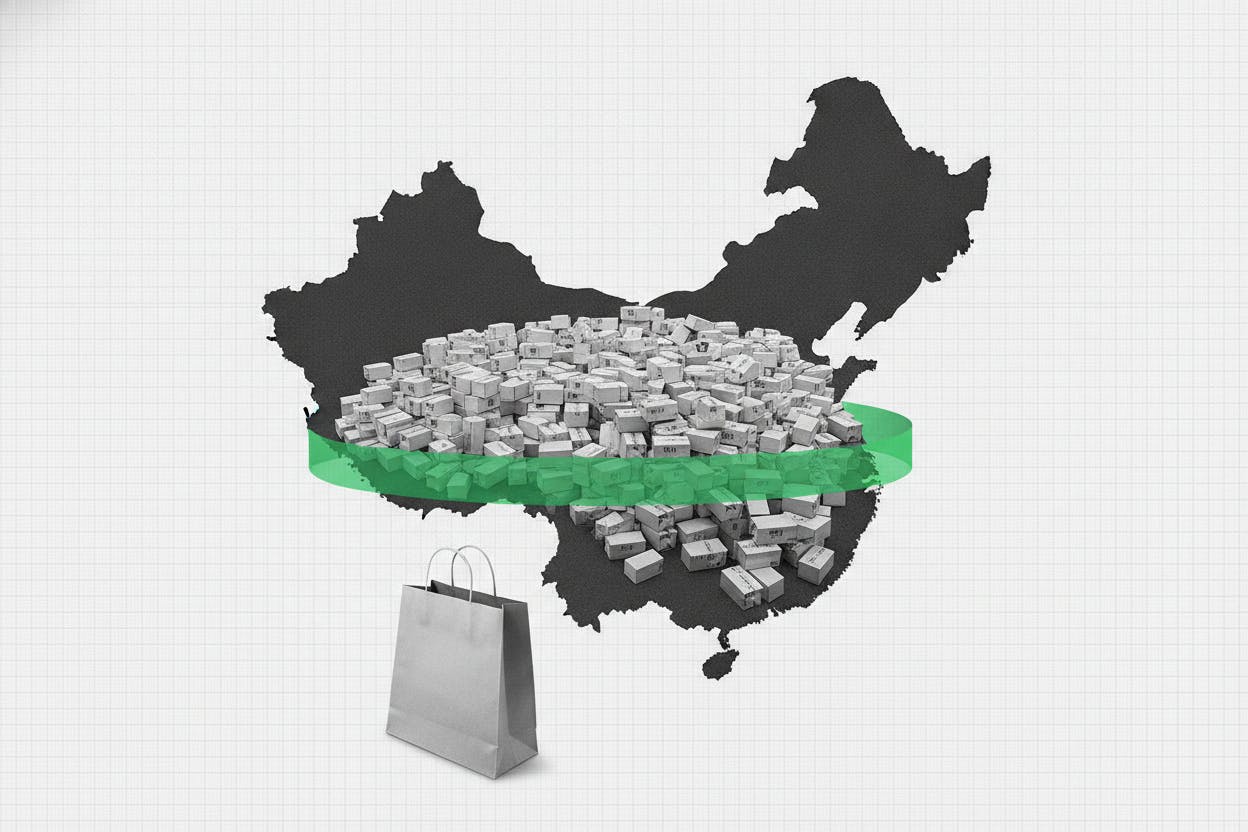
The July data reflect a familiar challenge for China: production capacity remains strong, but consumers and businesses are hesitant to spend. Retail sales growth of 0.6% is particularly weak, suggesting households are holding back on discretionary purchases. This is consistent with a broader trend of cautious consumer sentiment, as seen in other recent indicators.
Industrial output growth of 4.5% is still positive, but it marks a slowdown from earlier in the year. The slowdown is partly due to softer demand at home and abroad, as well as ongoing challenges in the property sector, which has been a drag on the economy for several years. The rise in unemployment to 5.2% adds to the picture of a labor market that is not fully recovering.
The NBS's reference to a "complex and volatile" global backdrop reflects the headwinds from trade tensions, slowing global growth, and geopolitical uncertainties. For a country that relies heavily on exports, these factors weigh on manufacturing and investment decisions.
Policy support on the horizon
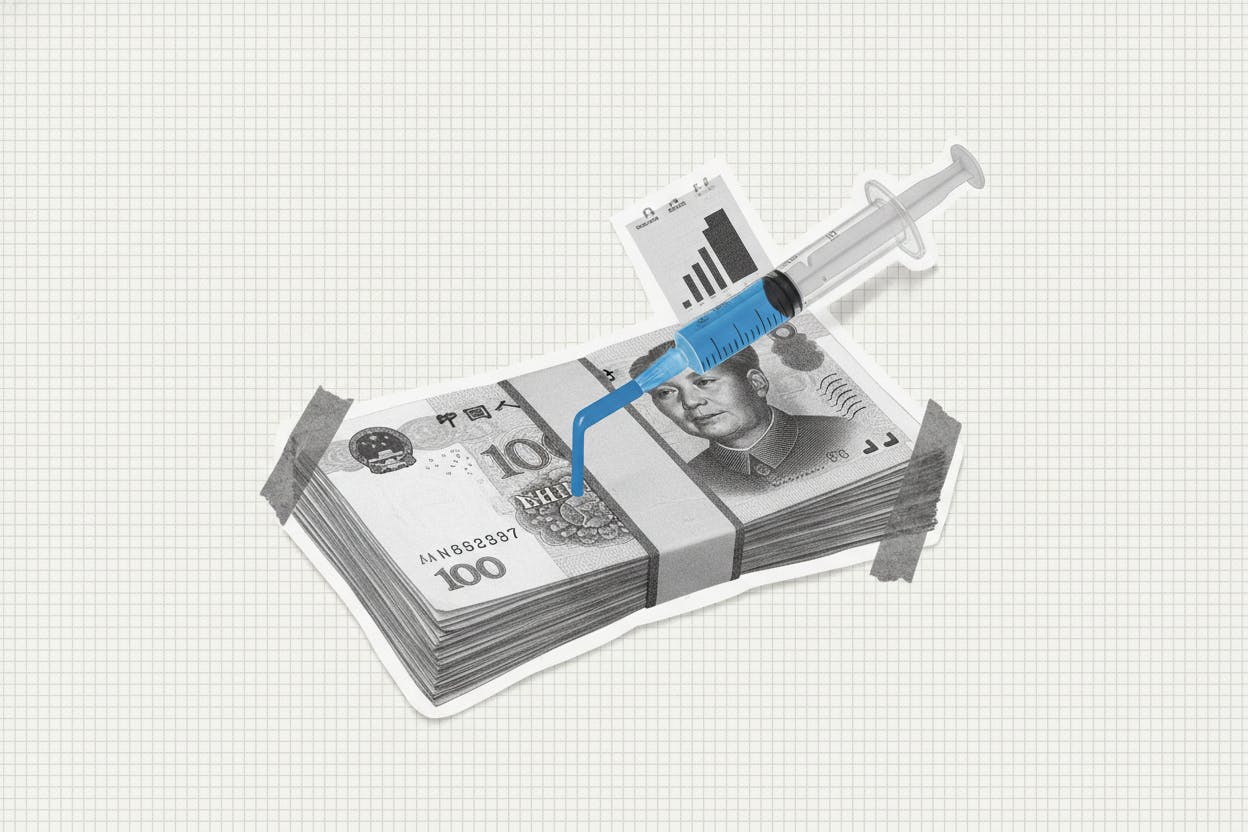
The key takeaway from the NBS's statement is that more policy support is likely. Officials signaled that they are prepared to act to stabilize growth, which could include measures to boost domestic demand, support small businesses, or ease monetary conditions. In recent months, China has already taken steps to lower borrowing costs and increase infrastructure spending, but the latest data suggest these efforts may need to be stepped up.
Investors will be watching for concrete policy moves in the coming weeks. Possible actions include further cuts to interest rates or reserve requirements for banks, increased fiscal spending, or targeted support for the property sector. The government has also been promoting "new growth drivers" such as high-tech manufacturing, green energy, and digital innovation, which could receive additional incentives.
What it means for investors
For everyday investors, the soft July data and the promise of more support create a mixed picture. On one hand, weak economic activity can weigh on corporate earnings and stock prices, particularly for companies tied to consumer spending or heavy industry. On the other hand, policy support can provide a floor under markets and create opportunities in sectors that benefit from government spending.
Investors with exposure to China should consider the following:
- Consumer stocks: With retail sales growing only 0.6%, companies in retail, food and beverage, and e-commerce may face headwinds. However, some firms are adapting by focusing on value offerings or expanding into lower-tier cities.
- Industrial and manufacturing: Slower output growth could pressure margins for manufacturers, but those involved in high-tech or green energy may see more support.
- Property and related sectors: The property market remains a key risk. Any new policy measures aimed at stabilizing the sector could provide a boost to related stocks.
- Tech and innovation: The government's emphasis on innovation-led growth suggests continued support for tech companies, including semiconductors and software. Recent chip stock rallies highlight this trend.
It's also worth noting that China's economic data can be volatile, and one month's figures don't necessarily indicate a long-term trend. The government's upbeat tone suggests it believes the economy can weather the current soft patch, but the "acute" supply-demand imbalance is a clear warning that more stimulus may be needed.
For global investors, China's slowdown has ripple effects. It can impact commodity prices, as seen in steel output hitting a six-month low, and it can influence markets across Asia, such as Japan's Nikkei slipping on growth disappointments. The upcoming US retail earnings will also offer clues about global consumer health.
In the meantime, investors should keep an eye on China's policy announcements and any further data releases. The government's next moves will be crucial in determining whether the economy can regain momentum or if the slowdown deepens.