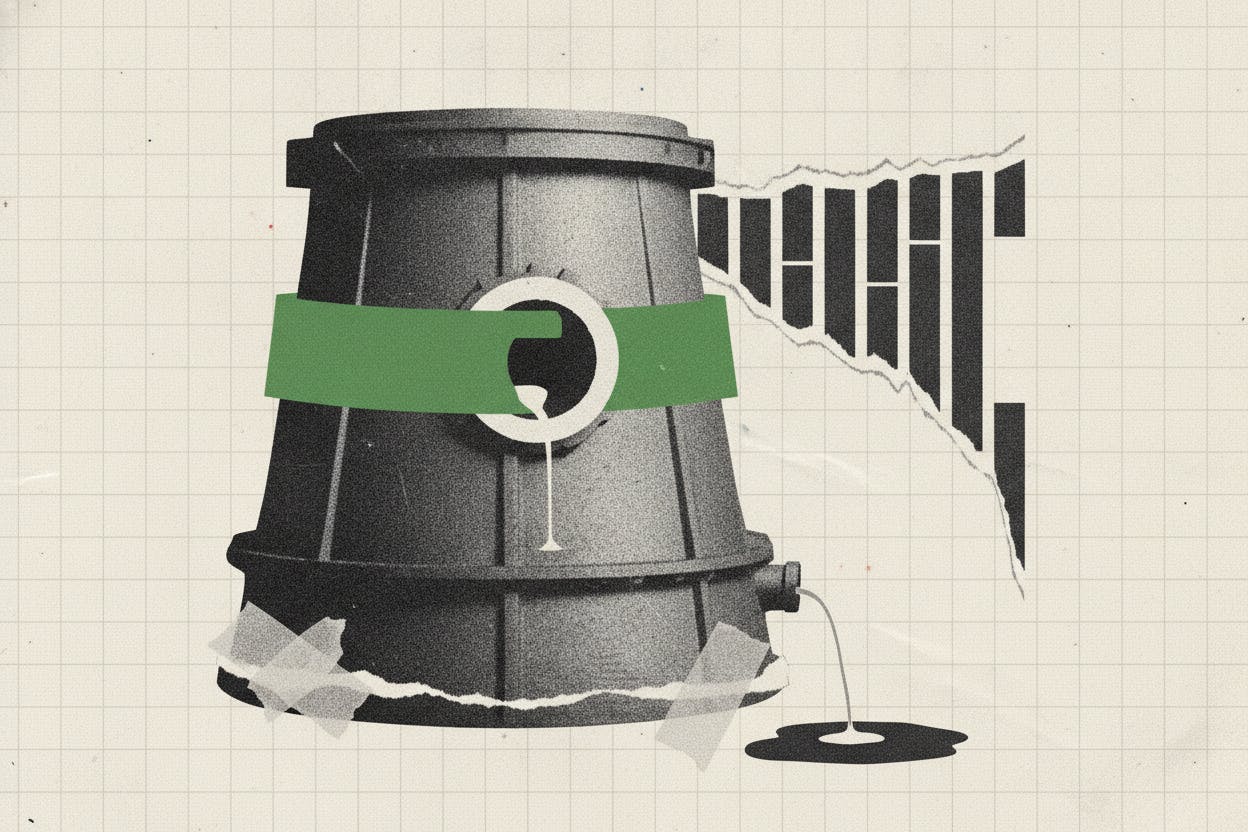
China's steel industry, the world's largest, hit a rough patch in July as output fell to a six-month low. According to data from the National Bureau of Statistics, reported by Reuters, crude steel production dropped 8.1% from June and 3.6% from a year earlier, landing at 76.93 million metric tons. The decline reflects a combination of softer demand, thinning margins, and a broader industrial slowdown that has been weighing on the world's second-largest economy.
Why output is falling
Steel mills in China are feeling the pinch from multiple directions. Demand typically softens in the summer months as construction activity slows, but this year's dip is sharper than usual. With margins under pressure, many mills have opted to schedule maintenance or cut operating hours to protect cash flow. By the end of July, only about a third of steelmakers were profitable, according to industry data cited in the report.
The weakness in steel is also a symptom of a broader economic slowdown. China's official purchasing managers' index (PMI), a monthly survey that signals whether factories are expanding (above 50) or shrinking (below 50), has been hovering near the contraction threshold. That suggests manufacturing activity is struggling to gain momentum, which directly affects demand for steel used in everything from cars to appliances to infrastructure projects.
What this means for investors
For everyday investors, the decline in Chinese steel output is more than just a headline about a single commodity. Steel is a bellwether for economic health, especially in China, which produces more than half of the world's steel. When Chinese steel output falls, it often signals weaker construction and manufacturing activity, which can ripple through global markets.
Investors with exposure to steel producers, either directly or through exchange-traded funds (ETFs), may see continued pressure on earnings if the trend persists. Companies that supply raw materials like iron ore and coal could also feel the impact, as lower steel production typically reduces demand for these inputs. On the flip side, some investors might view the downturn as a potential buying opportunity, betting that a recovery in Chinese demand will eventually lift prices.
The situation also ties into broader market themes. For instance, Chinese stocks have shown mixed signals as money supply grows even as credit cools, reflecting the delicate balance policymakers are trying to strike. Meanwhile, China's AI stock surge has drawn attention, but the steel sector's struggles highlight that not all parts of the economy are booming.
Global implications
China's steel output is closely watched by global markets because it influences prices for iron ore, coking coal, and steel products worldwide. A sustained decline in Chinese production could lead to lower global steel prices, which might benefit steel-consuming industries like construction and manufacturing but hurt steel exporters in other countries.
For example, BlueScope, an Australian steelmaker, recently doubled its profit on strong demand in the US and Asia, but a prolonged Chinese slowdown could eventually dampen that demand. Similarly, Antofagasta, a copper miner, trimmed its 2026 output outlook, partly reflecting broader industrial trends in China.
What to watch next
Investors should keep an eye on China's PMI readings and any new stimulus measures from Beijing. If the government rolls out infrastructure spending or property market support, steel demand could rebound. Conversely, if the slowdown deepens, expect further output cuts and continued pressure on steel-related stocks.
For now, the message is clear: China's steel industry is in a cyclical downturn, and the ripple effects are being felt across global markets. As always, diversification and a long-term perspective remain key for everyday investors navigating these ups and downs.