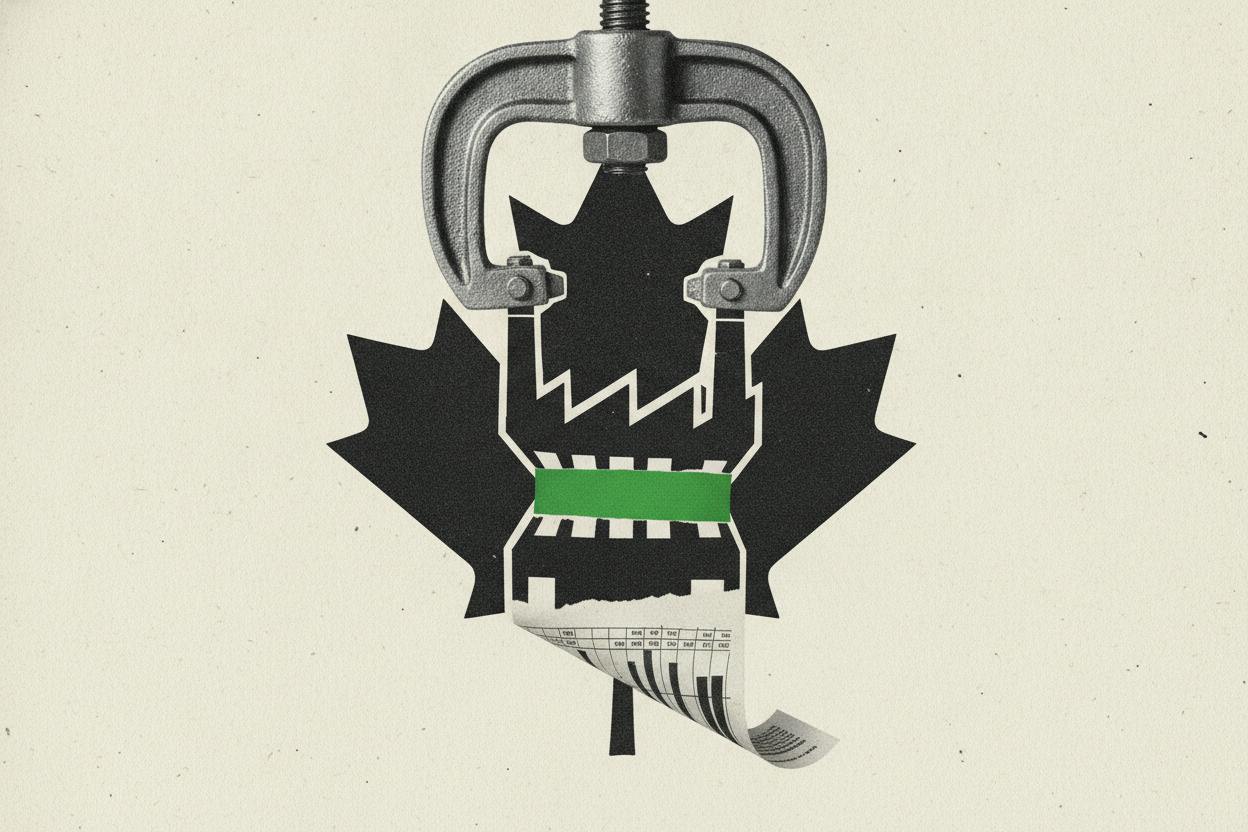
Canada's manufacturing sector continued to grow in September, but the pace of expansion slowed, and a sharp jump in input costs is raising fresh questions about inflation. S&P Global's Canada Manufacturing Purchasing Managers' Index (PMI) fell to 51.5 from 53.0 in August, marking the weakest reading since March. Any reading above 50 signals expansion, so the sector is still growing—just not as quickly as it was over the summer.
The bigger story, however, was the surge in cost pressures. The survey's input-costs index climbed to 71.1 from 66.4, its highest level since July 2022. Supplier delivery delays also became more widespread, with the latest reading the most pronounced since August 2022. These are the kind of early warning signs that often precede broader inflation, even if consumer price data hasn't moved yet.
What's driving the slowdown?
S&P Global's Paul Smith pointed to two main culprits: US trade frictions and higher global energy prices. Tariffs and the ongoing trade dispute are injecting uncertainty into how companies plan their inventories and production schedules. When businesses can't be sure about the cost or availability of inputs, they tend to hold back on orders and investment, which can dampen output and new orders—both of which eased in September.
Energy costs are a particularly tricky factor. Higher oil and gas prices feed directly into manufacturing costs, from the fuel used to power plants to the petrochemicals that go into plastics and packaging. When those costs rise, manufacturers face a choice: pass them on to customers through higher selling prices, or absorb them by accepting thinner profit margins. The PMI data suggests many are feeling the squeeze.
The trade dispute with the US adds another layer of complexity. Canada sends a large share of its manufactured goods south of the border, so tariffs or the threat of them can disrupt supply chains and make it harder for companies to plan ahead. That uncertainty often shows up in delivery delays and inventory decisions, which are exactly what the PMI is picking up.
What it means for investors
For investors, the PMI is more than just a growth snapshot. Its pricing and supply-chain components can act as an early warning system for inflation. With input costs back near July 2022 highs and delivery delays worsening, some market watchers may start to worry that pipeline inflation is rebuilding—even if headline inflation hasn't budged yet.
That matters most for short-term Canadian bonds and the Canadian dollar. Both tend to react quickly when traders reassess the Bank of Canada's next moves. If cost pressures persist, it becomes harder for rate markets to price in rapid interest-rate cuts. A "higher-for-longer" scenario starts to look more plausible, which would support the currency but weigh on bond prices.
The timing is notable. Global bond yields have been climbing, with 10-year Treasury yields topping 5.3% recently, a level not seen in over a decade. That backdrop makes any sign of sticky inflation more consequential for rate expectations. If Canada's cost pressures continue to build, it could complicate the Bank of Canada's path, especially as it tries to balance growth concerns with inflation risks.
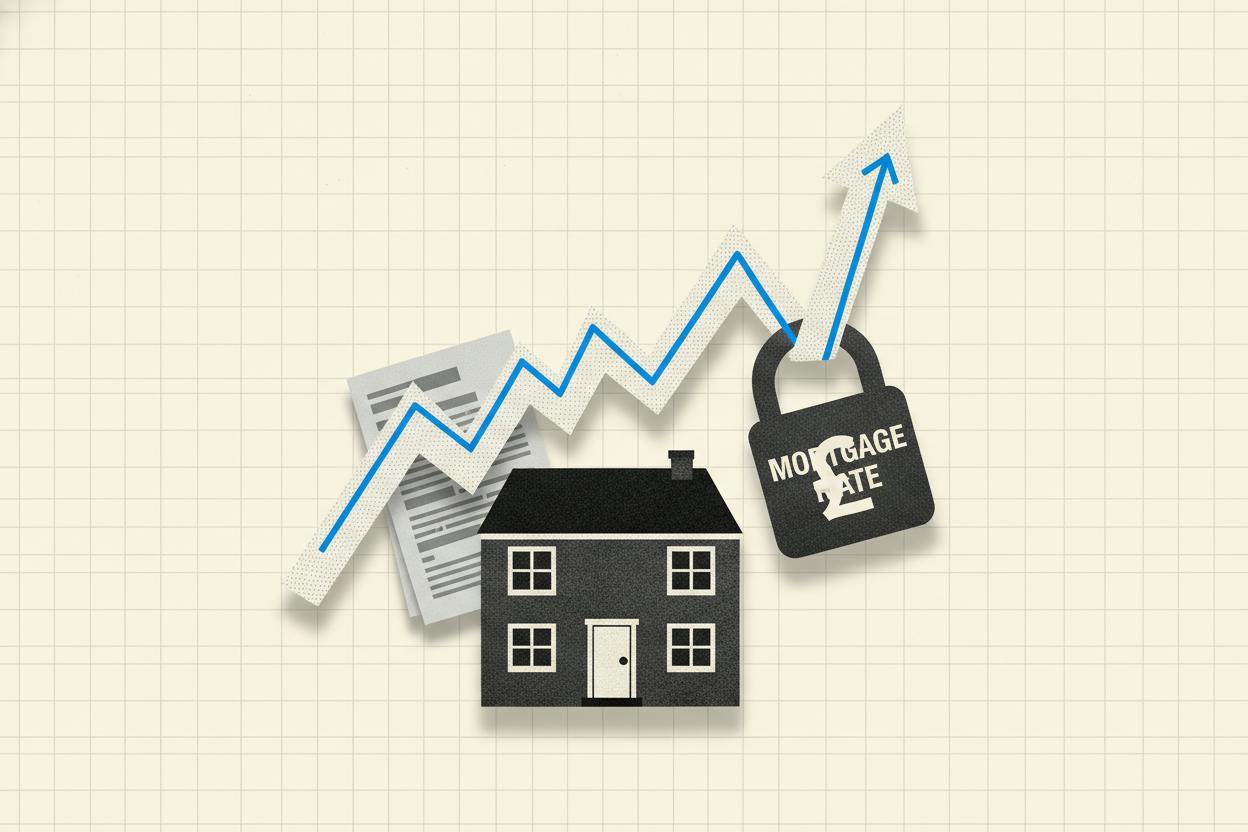
For everyday investors, the key takeaway is that the manufacturing sector is still expanding, but the momentum is fading. The jump in input costs is a reminder that inflation pressures haven't fully disappeared, even if they've cooled from the peaks of 2022. That could influence everything from mortgage rates to the value of the loonie, so it's worth watching how these trends evolve in the coming months.
Investors will also be keeping an eye on the broader economic picture. The upcoming US jobs report could set the tone for global markets, while traders brace for a busy week of US data. Closer to home, Canada's own economic indicators, including rising insolvency rates, suggest households are feeling some strain. But for now, the manufacturing PMI is the clearest signal that the factory sector is cooling—and that inflation may not be done yet.